Bad behaviour worth the read
But Winston Churchill was white sheep of noble clan
Advertisement
Read this article for free:
or
Already have an account? Log in here »
To continue reading, please subscribe:

Digital Subscription
One year of digital access for only $205*
- Enjoy unlimited reading on winnipegfreepress.com
- Read the E-Edition, our digital replica newspaper
- Access News Break, our award-winning app
- Play interactive puzzles
*First annual payment billed as $205.00 + GST for one year. This annual subscription will automatically renew at $233.00 + GST every 52 weeks (10% off the regular annual price of $259.35). Offer available to new and qualified returning subscribers only. Cancel any time.
To continue reading, please subscribe:
Add Free Press access to your Brandon Sun subscription for only an additional
$1 for the first 4 weeks*
- Enjoy unlimited reading on winnipegfreepress.com
- Read the E-Edition, our digital replica newspaper
- Access News Break, our award-winning app
- Play interactive puzzles
*Your next Brandon Sun subscription payment will increase by $1.00 and you will be charged $17.95 plus GST for four weeks. After four weeks, your payment will increase to $24.95 plus GST every four weeks.
Read unlimited articles for free today:
or
Already have an account? Log in here »
Hey there, time traveller!
This article was published 14/05/2011 (5616 days ago), so information in it may no longer be current.
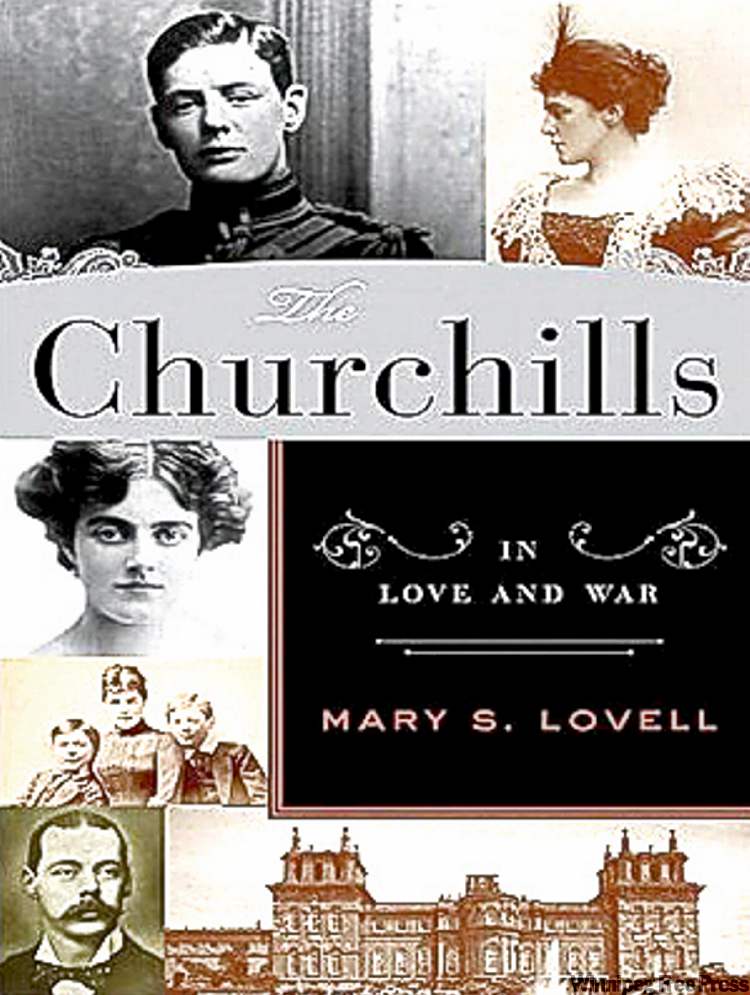
The Churchills in Love and War
By Mary S. Lovell
Norton, 640 pages, $43.50
PROLIFIC British writer Mary S. Lovell has penned popular biographies of American aviator Amelia Earhart, the infamous British Mitford sisters and numerous minor historical figures.
In this door-stopping tome of patrician tittle-tattle, dalliance and shocking behaviour, Lovell takes us into the boudoirs of the illustrious House of Churchill, which includes the dukes and duchesses of Marlborough, their far-flung progenies and the greatest Briton of the 20th century, Sir Winston Churchill.
Adultery has long been accepted in British royalty and the upper aristocracy. Why? It’s likely because their marriages have traditionally been arrangements of state or family and, writes Lovell, within a coterie of friends.
Affairs were acceptable if a little discretion was maintained — just keep it within the posh circle and don’t get a divorce.
The Churchill family rose to the pinnacle of the English aristocracy in the 17th century, owing to the drive, ambition and military genius of John Churchill, the first Duke of Marlborough. The English Parliament loved him so much its members gave him the money to build his great palace of Blenheim.
The succeeding dukes, as we learn, have been neither ambitious nor geniuses, and Blenheim has been a money-sucking albatross around their collective necks for 300 years.
The focus of the book is the illustrious Winston Churchill, so Lovell moves quickly to the later 19th and early 20th century. She introduces his parents, Lord Randolph Churchill and his wife Jennie, his cousin Sunny, the ninth Duke of Marlborough, and his two wives, Consuelo Vanderbilt and Gladys Deacon.
Arguably, these five may mark the apogee of aristocratic bad behaviour. They certainly make the book a worthwhile read.
Lord Randolph tried to blackmail the Prince of Wales over some love letters the prince had written.
Everyone knew that Jennie was the prince’s mistress but the letters did not concern her.
One might say that Jennie was nearly everyone’s mistress, as she had more than 100 affairs. Lovell archly discounts the 200 number that some claim.
Sunny married Consuelo for the Vanderbilt fortune, and he put it to good use rebuilding Blenheim. For her part, Consuelo believed that once she had conceived the “heir and the spare,” she was free to do whatever she liked, and she did.
Gladys once claimed that she knew more about politics than Sunny because she had slept with every prime minister and most of the kings of Europe. Sunny, it seemed, did not doubt her expertise.
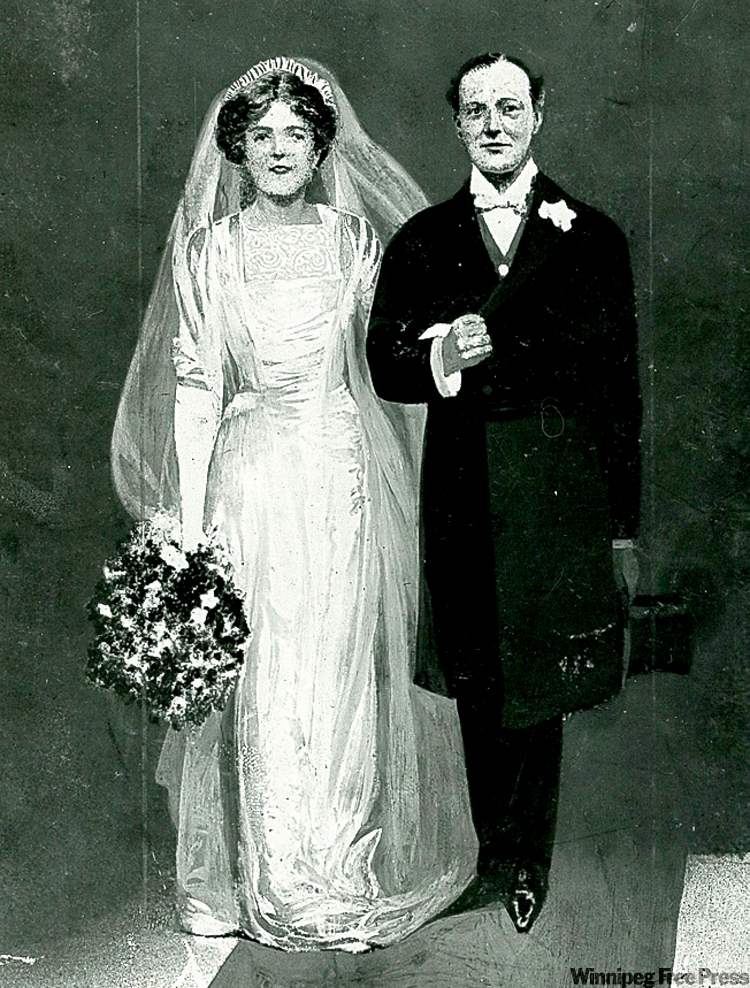
Boring Winston, we find out, was the white sheep of the sybaritic Churchill family. There is even a possibility he was a virgin when he married Clementine, in 1908, at 33. But this is unlikely however, Lovell writes, because few young officers who served in exotic India during the Raj returned with their virtue unsullied.
Why was he so celibate? Lovell believes he was reacting to his mother’s affairs. However, Winston was not opposed to using her political and social connections to propel his political ambitions.
Clementine was the love of his life; he was as faithful to her as she was to him. When they were apart, they wrote daily and revelled in sappy baby-talk; he called her Kitten or Cat and she called him Pug or Pig.
Sadly, however, Winston’s three oldest children were not successful in love; they had seven failed marriages between them.
The essential failing of Lovell’s massive block of a book is simply that she talks too much about too many people we have no reason to care about. Unless they were having it off with the king or queen, or a prince of the realm, who needs to know about it?
With Prince William safely ensconced in boringly wedded bliss, we’ll have to rely on Prince Harry to take the new generation of royals down a nice tacky path.
Winnipeg teacher and writer Ian Stewart saw Prince Charles and Lady Di at Westminster Abby in 1992, and they did not look happy.
Related Articles
Dramatic account of Madoff's fall highlight of tale
Advertisement Advertise With Us
Advertisement Advertise With Us