Tefs paints masterful portrait of ‘Flying Bandit’
Advertisement
Read this article for free:
or
Already have an account? Log in here »
To continue reading, please subscribe:

Digital Subscription
One year of digital access for only $205*
- Enjoy unlimited reading on winnipegfreepress.com
- Read the E-Edition, our digital replica newspaper
- Access News Break, our award-winning app
- Play interactive puzzles
*First annual payment billed as $205.00 + GST for one year. This annual subscription will automatically renew at $233.00 + GST every 52 weeks (10% off the regular annual price of $259.35). Offer available to new and qualified returning subscribers only. Cancel any time.
To continue reading, please subscribe:
Add Free Press access to your Brandon Sun subscription for only an additional
$1 for the first 4 weeks*
- Enjoy unlimited reading on winnipegfreepress.com
- Read the E-Edition, our digital replica newspaper
- Access News Break, our award-winning app
- Play interactive puzzles
*Your next Brandon Sun subscription payment will increase by $1.00 and you will be charged $17.95 plus GST for four weeks. After four weeks, your payment will increase to $24.95 plus GST every four weeks.
Read unlimited articles for free today:
or
Already have an account? Log in here »
Hey there, time traveller!
This article was published 11/06/2011 (5596 days ago), so information in it may no longer be current.
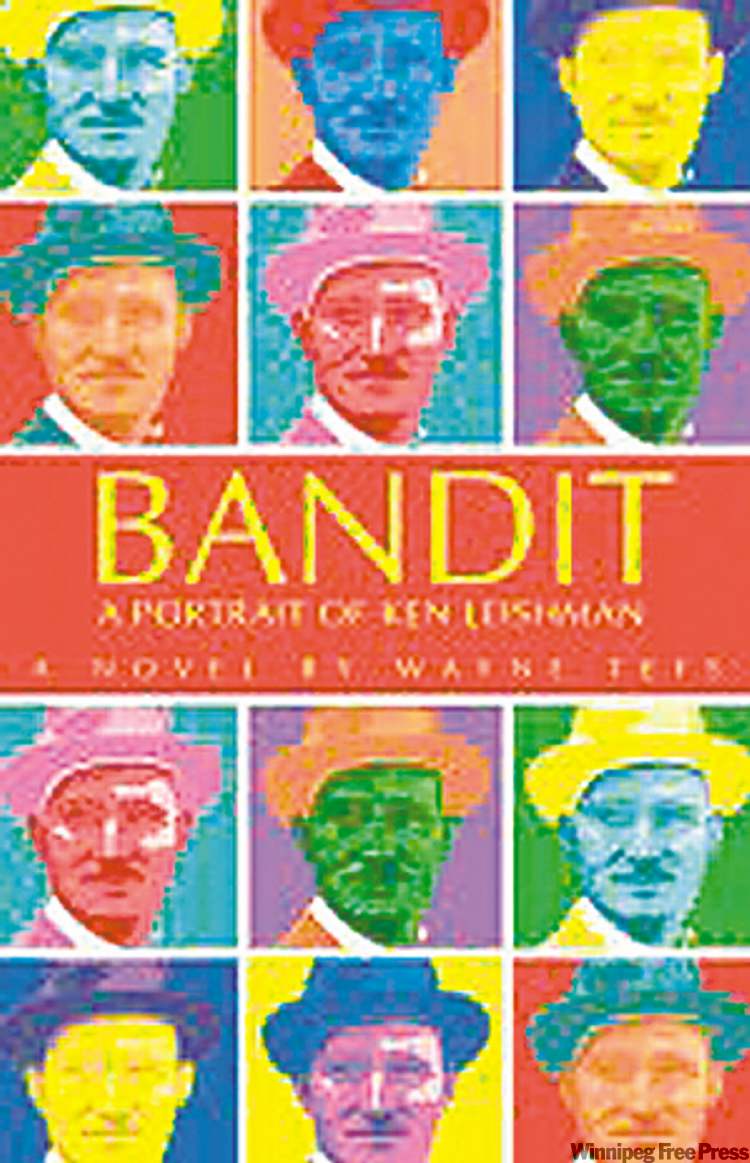
Bandit
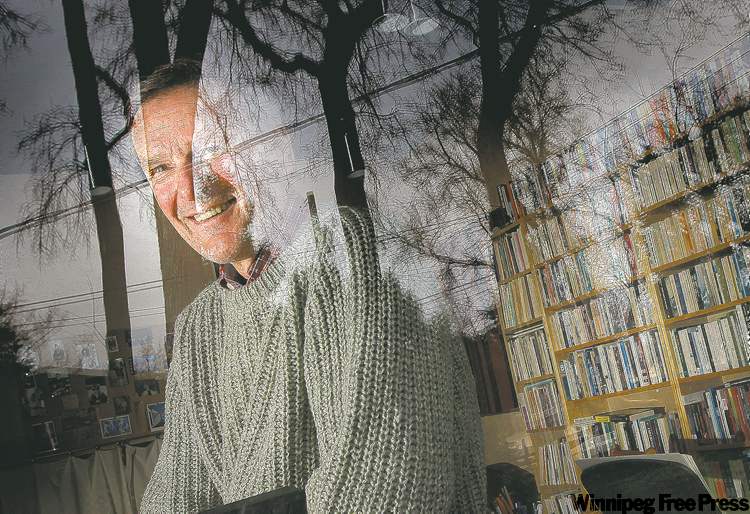
By Wayne Tefs
Turnstone Press,

$296 pages $19
“It’s a grey downer, grey headed towards black.”
That’s Ken Leishman, Manitoba’s most notorious outlaw, alone and contemplating the turn of events that will mean that his career as a master criminal is almost certainly going to end badly.
Those words also capture the feeling of veteran Winnipeg writer Wayne Tefs’ novel from opening to close.
From the first page, there is a grainy, cinema verité quality to his finely detailed prose, yet the work is also suffused with a subtle, changing radiance spilling over events and characters alike.
It’s the light of a worldly but truly compassionate storyteller, and it leads the reader to the very place where the bandit himself spends so much time — caught up in the cruel and clichéd ironies of life, wondering whether clarity and mercy are indeed within the reach of the living.
Tefs’ 10th novel, and his second to fictionalize a piece of Manitoba history, this is at least the fourth serious treatment of the Leishman story, having previously been the subject of a play, a documentary and a non-fiction work.
Bandit‘s appeal is wide and deep. Apart from its staying power as a study of the lessons of crime and punishment, it will delight Winnipeggers in its fidelity to place and time, the adolescent city of the ’60s; The Homeward Hustle on CJOB, the Town N’ Country night club, elite tailors Hanford Drewitt, and the exotic (for its time) Black Knight Lounge.
Parts of the Leishman story are well known. His early caper in the 1950s, stealing $10,000 from a Toronto bank in a uniquely amiable manner, earned him his reputation as both a charmer (“the Gentleman Bandit”) and a man of unexpected boldness. He flew home on a commercial flight from that heist, earning his other monicker “the Flying Bandit.”
In 1966, Leishman went for the gold — $16 million in today’s value in gold bars at the Winnipeg Airport.
But it’s the subtle and complex character building of Kenneth Leishman that is truly spell binding. We meet him first as a man of 35, short of work, long on debt, living in a modest River Heights bungalow, financial stress and domestic responsibilities gnawing at him, a man with an imagination that both uplifts and tortures him.
Through a satisfying melange of flashbacks and first-person narratives, Tefs reveals Leishman’s childhood as one that never really existed. In its place was a long period populated by frustrated, insensitive adults who made sure the boy understood his unworthiness, that he would be his miserable, absentee father all over again.
From that would come a fatal vulnerability, the lifelong unnamed need for validation, making it difficult not to claim the glory for his criminal successes.
Young Ken’s misery and the will to escape his shamed spirit took him to one of the few havens available to country boys in the Manitoba of the ’40s: the local movie theatre. There he discovered his missing father figures — James Cagney, Humphrey Bogart, Clark Gable, the men who taught him the steely gaze, the surface calm that would serve him well.
There he collected and intertwined the shadowy stories of Jesse James, John Dillinger, Robin Hood, confirming his suspicion that the bad guys can be good guys, sticking it to the man. Later he would perceive that the Wild West was actually the Midwest; his own Prairies were the real home and heir to the legendary figures of western myth.
Tefs portrays the grown Leishman as a something of a visionary, ahead of his time in his understanding of the North for development. Had the business community given him half a chance, he could have been one of its significant leaders.
Instead, the man who believed his life belonged in the clouds ended up living it not in the sky, but “in a box, within a box, within a box.”
Bandit is a masterful portrait of a complex human being and of his time. It’s also a powerful reminder that no place is beyond the reach of myth, and that any place, no matter how self-doubting, can and will mirror myth in its own way.
A Winnipeg writer and broadcaster, Lesley Hughes was a young journalist chasing the Beatles around the time Leishman was making headlines.

Advertisement Advertise With Us
Advertisement Advertise With Us