Redford more compelling onscreen or in person than in biographer’s hand
Advertisement
Read this article for free:
or
Already have an account? Log in here »
To continue reading, please subscribe:

Digital Subscription
One year of digital access for only $205*
- Enjoy unlimited reading on winnipegfreepress.com
- Read the E-Edition, our digital replica newspaper
- Access News Break, our award-winning app
- Play interactive puzzles
*First annual payment billed as $205.00 + GST for one year. This annual subscription will automatically renew at $233.00 + GST every 52 weeks (10% off the regular annual price of $259.35). Offer available to new and qualified returning subscribers only. Cancel any time.
To continue reading, please subscribe:
Add Free Press access to your Brandon Sun subscription for only an additional
$1 for the first 4 weeks*
- Enjoy unlimited reading on winnipegfreepress.com
- Read the E-Edition, our digital replica newspaper
- Access News Break, our award-winning app
- Play interactive puzzles
*Your next Brandon Sun subscription payment will increase by $1.00 and you will be charged $17.95 plus GST for four weeks. After four weeks, your payment will increase to $24.95 plus GST every four weeks.
Read unlimited articles for free today:
or
Already have an account? Log in here »
Hey there, time traveller!
This article was published 09/07/2011 (5563 days ago), so information in it may no longer be current.
Robert Redford
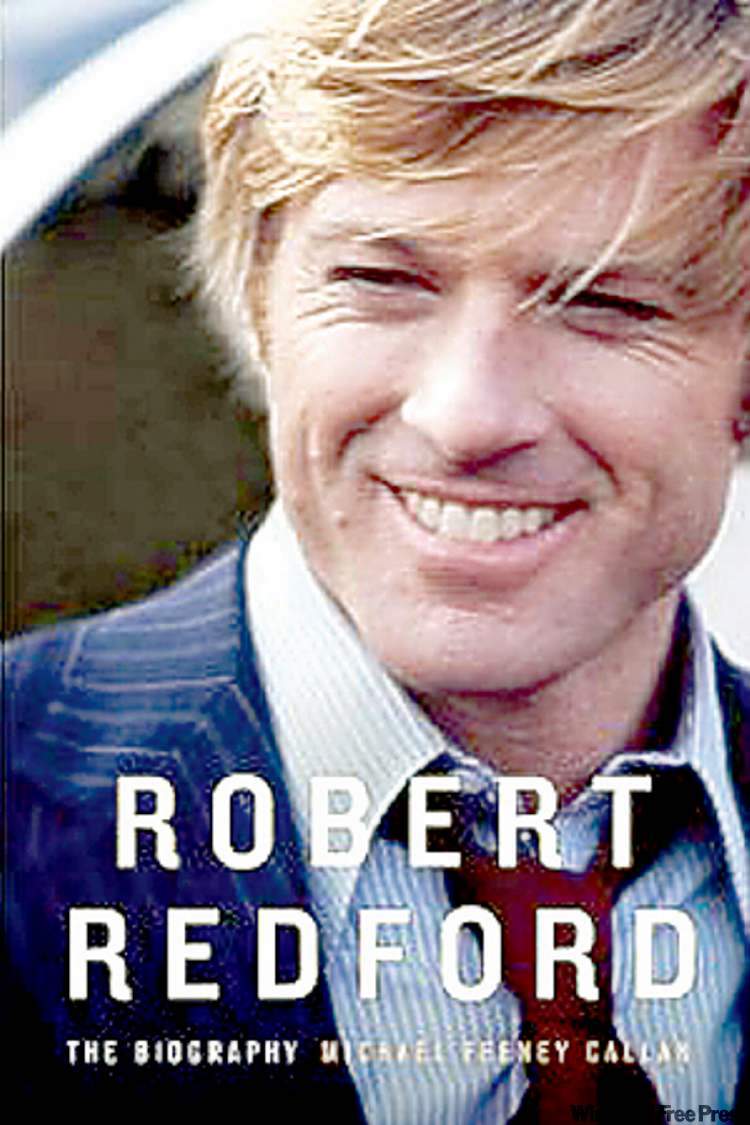
The Biography
By Michael Feeney Callan
Knopf, 468 pages, $29
Irish writer Michael Feeney Callan began his authorized biography of Robert Redford in 1995 because he felt that Redford’s work was undervalued.
He might better have dashed off a quickie bio then. The actor, star, director, businessman and environmentalist has done little to enhance or recover his reputation in the intervening 15 years.
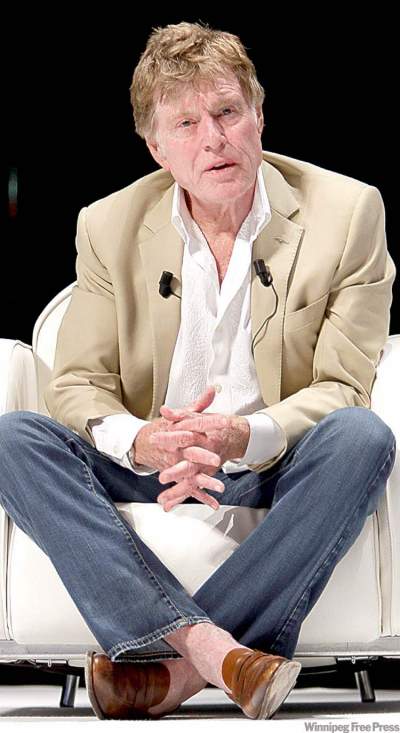
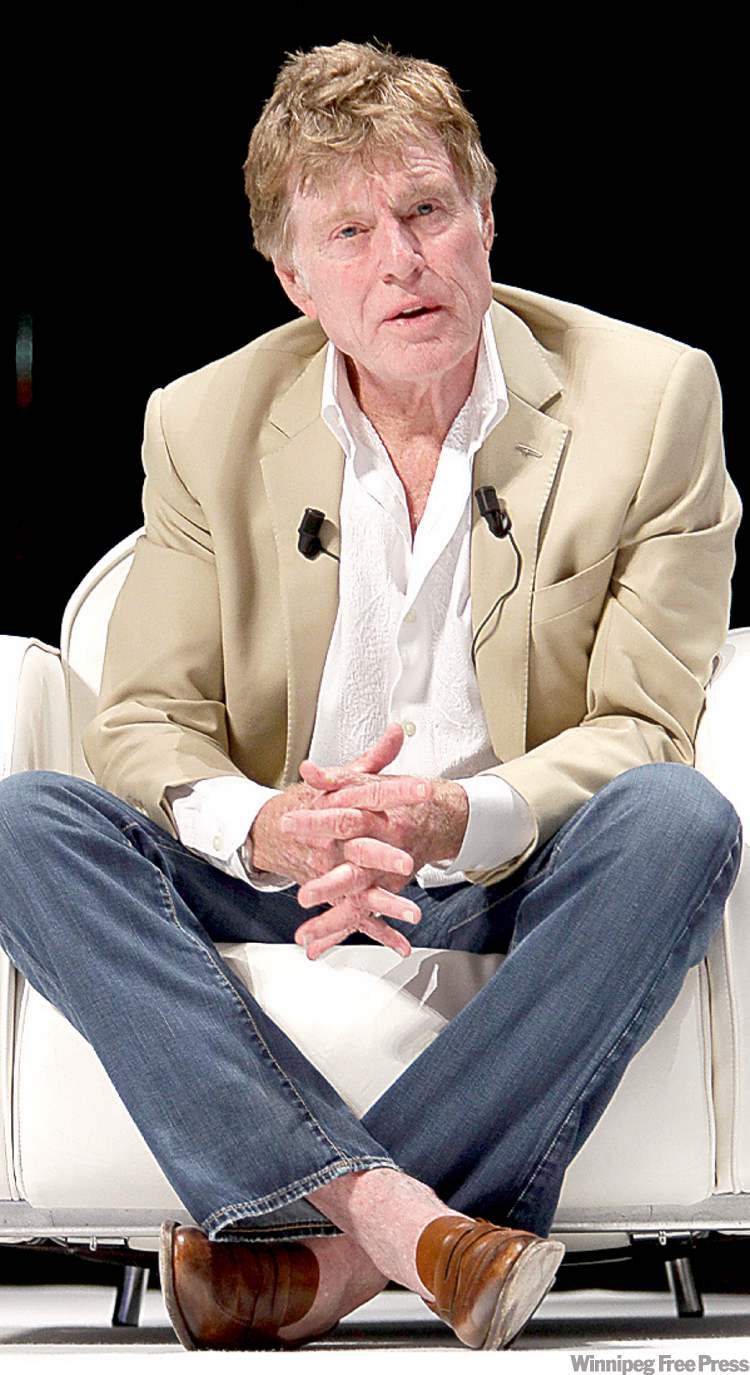
Redford, who turns 75 on Aug. 18, should be admired for turning his “charismatic attractiveness” to good use in movies and good causes outside them. Too bad he is not as compelling a figure in Callan’s prose as he is onscreen or in person.
Redford has starred in over three dozen movies, produced 27, and directed eight. His heyday as a Hollywood star ran from 1965 to 1985. During that period he hardly made a false step.
Many of those movies are classics; the ones that aren’t are at least memorable.
Butch Cassidy, Jeremiah Johnson (his personal favourite), The Way We Were, The Sting, All the President’s Men, The Electric Horseman, The Natural, Out of Africa.
Wow! It’s no wonder he was that generation’s golden boy. He was blond, handsome, with a klieg-light smile, and he had a knack, or the good fortune, for picking great scripts and directors.
As an actor turned director, he’s certainly better than Meathead (Rob Reiner) or Opie (Ron Howard). But he lags well behind his contemporaries Clint Eastwood and Sidney Lumet.
His directorial debut, Ordinary People, unaccountably won him an Oscar. His two best films, A River Runs Through It (1992) and Quiz Show (1994) demonstrate his range and gift with actors. Since then, there’s nothing much of interest or importance.
His preference for “grey-area” stories that challenge popular notions and group-think is laudable but can turn ponderous and clumsily polemical, as his most notable recent blunder, Lions for Lambs, amply demonstrates.
Dublin-based Callan, a novelist and TV writer and director, covers Redford’s career conscientiously and carefully. It’s not just a biography, it’s the biography. He interviewed over 300 show-biz types and hundreds of others, including close friends and family.
Almost all of the interviewees are supporters from Redford’s generation — Paul Newman, Jane Fonda, directors George Roy Hill and Sidney Lumet, once his closest friend and frequent collaborator.
More important, Callan had his subject’s whole-hearted co-operation. Redford was interviewed often. He also gave Callan access to his personal diaries, journals, scripts, director’s notes and musings.
Much of the substance of this bio comes from Redford himself. He is insightful, often philosophical and even poetic, and frank in his self-analysis and opinions.
If the biography has a failing, it is that there is nothing that is surprising or scandalous, and Callan is overly generous in his appraisals, perhaps the cost of Redford’s co-operation. Stubbornness and tardiness are among the few faults noted.
At one point, Callan compares his subject to Dickens and Chekhov. Sorry, but Redford, for all his gifts, isn’t Dickens or Chekhov.
Callan, it becomes clear, feels that Redford’s greatest contributions may turn out to be his founding of the Sundance Film Festival and his tireless campaigning for environmental causes.
Both trace their origins to his early years as an actor when he bought a small parcel of property in a remote canyon in Utah.
As Redford is constantly drawn back to this canyon, the narrator keeps returning to Redford’s life as a businessman and activist. Neither pursuit makes for exciting or glamorous reading.
Gene Walz teaches film studies at the University of Manitoba.
Related Articles
Glenn Ford biography used to settle scores
Advertisement Advertise With Us
Advertisement Advertise With Us