Subject matter trumps flaws in writing
Novel tackles harrowing Rwandan genocide
Advertisement
Read this article for free:
or
Already have an account? Log in here »
To continue reading, please subscribe:

Digital Subscription
One year of digital access for only $205*
- Enjoy unlimited reading on winnipegfreepress.com
- Read the E-Edition, our digital replica newspaper
- Access News Break, our award-winning app
- Play interactive puzzles
*First annual payment billed as $205.00 + GST for one year. This annual subscription will automatically renew at $233.00 + GST every 52 weeks (10% off the regular annual price of $259.35). Offer available to new and qualified returning subscribers only. Cancel any time.
To continue reading, please subscribe:
Add Free Press access to your Brandon Sun subscription for only an additional
$1 for the first 4 weeks*
- Enjoy unlimited reading on winnipegfreepress.com
- Read the E-Edition, our digital replica newspaper
- Access News Break, our award-winning app
- Play interactive puzzles
*Your next Brandon Sun subscription payment will increase by $1.00 and you will be charged $17.95 plus GST for four weeks. After four weeks, your payment will increase to $24.95 plus GST every four weeks.
Read unlimited articles for free today:
or
Already have an account? Log in here »
Hey there, time traveller!
This article was published 21/01/2012 (5301 days ago), so information in it may no longer be current.
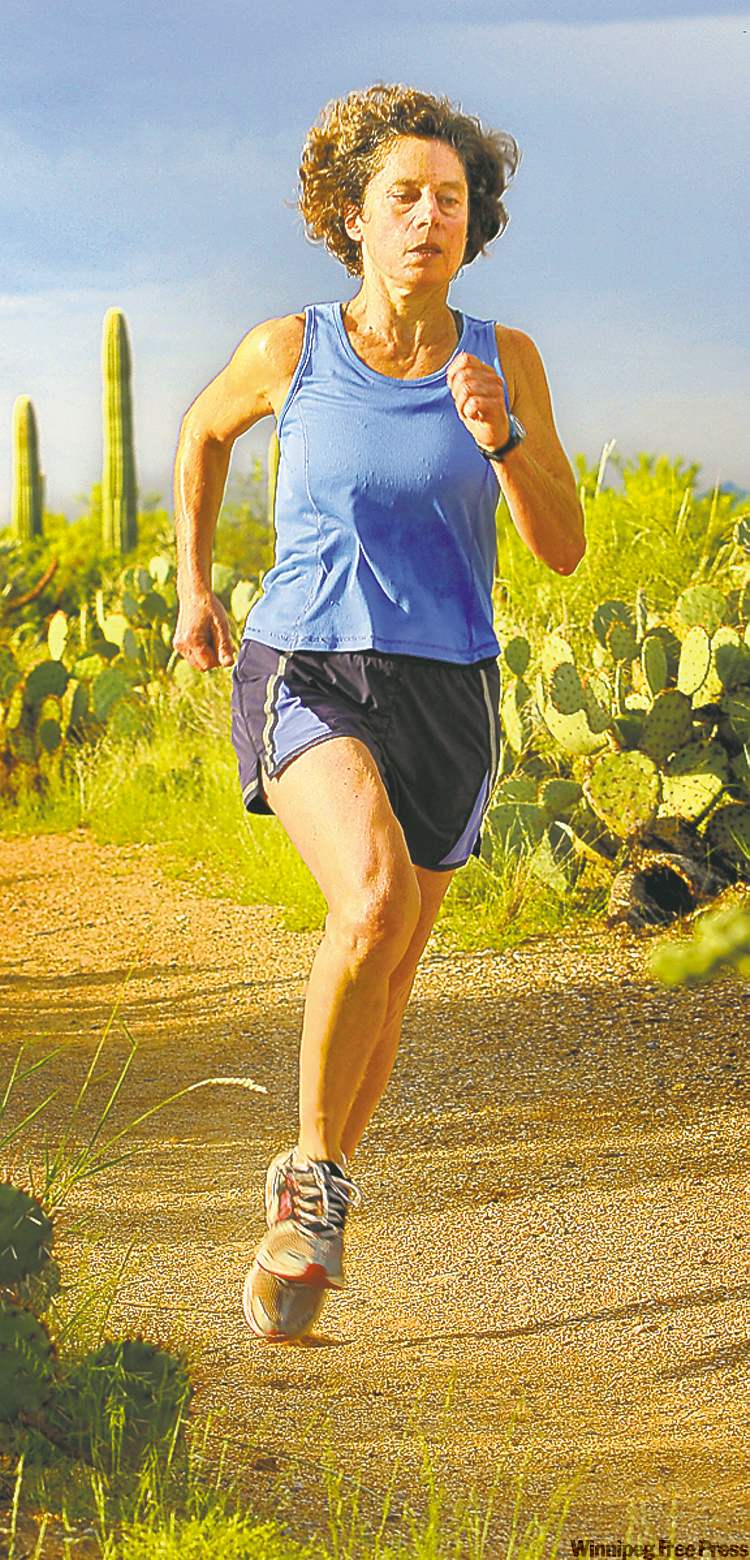
The protagonist of American writer Naomi Benaron’s literary novel is a talented African middle-distance runner who dreams of representing his homeland in the Olympics.
As the narrative of Running the Rift unfolds, however, it becomes increasingly clear that this dream will be unattainable — not because he is not talented or fast enough, but because of whom he is and where he lives.
Jean Patrick Nkuba is a Tutsi living in Rwanda in the early 1990s.
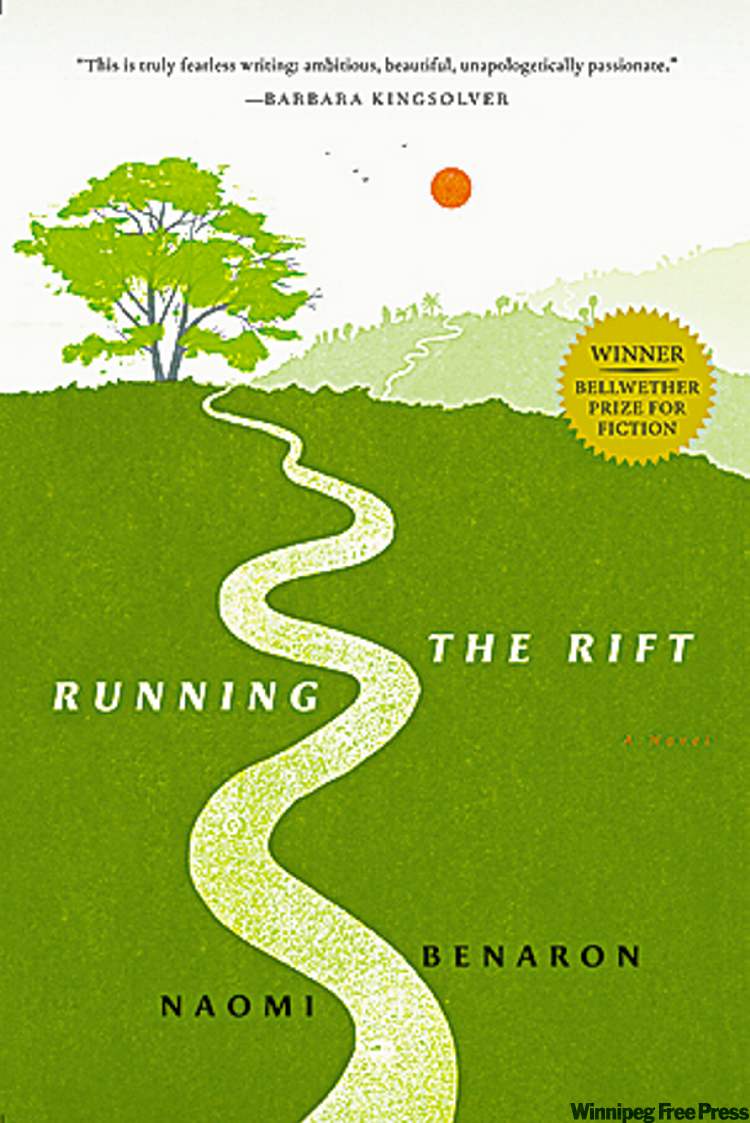
Running the Rift was the 2010 winner of the Bellwether Prize for Fiction, a biennial award created by American writer Barbara Kingsolver for the best unpublished work of literary fiction that addresses social justice issues. Kingsolver is the accomplished author of 13 books, including The Poisonwood Bible, a poignant tale about Congo’s struggle for liberation.
Benaron’s debut fiction certainly seems well deserving of the Bellwether. While it quickly becomes evident that Benaron is not yet a polished writer — she only recently turned to fiction writing after careers as an earth scientist and massage therapist — the import of her subject matter eclipses any flaws in form and style.
These flaws, mainly predictability and a tendency to let the drama get bogged down in the details, are, as a result, easily forgiven.
When she introduces Jean Patrick, he is a young boy living contentedly with his parents and siblings in the small community of Gilhandwe, completely oblivious, in the way of children, to the mounting tensions between Tutsis and Hutus.
As his family circumstances change and his amateur athletic career evolves, Jean Patrick is forced to move away to school. There, he makes new friends, assumes a new identity and falls under the influence of a coach and a girlfriend with opposing loyalties.
Yet even as he becomes increasingly aware of the political turmoil swirling around him, he still tries his best to remain apolitical and indifferent to the tensions affecting every facet of life.
He quickly learns that this impossible.

“If you stretch a spring long enough, far enough, the metal will fail and the spring will snap,” he observes. “The same with a human body. The same with a human heart. The same, even, with a country.”
Still, in spite of all evidence to the contrary, Jean Patrick clings to his faith in the basic goodness of his government and his neighbours. That faith proves unfounded, of course, when the majority Hutus turn on the minority Tutsi in the spring and early summer of 1994 and commit one of the most horrific genocides known to mankind. In just 90 days, they murder 800,000 Tutsis.
Here, to her credit, Benaron does not shy away from documenting and describing the massacre in all its harrowing detail. Like Gil Courtemanche did in his novel A Sunday at the Pool in Kigali, she writes with honesty, clarity and courage about acts that cannot possibly be justified or defended.
The end result is a similar novel — one that is neither easy to read nor to digest, but difficult to forget.
Sharon Chisvin is a Winnipeg writer.
Book review
Running the Rift
- By Naomi Benaron
- HarperCollins, 369 pages, $23
Related Articles
Oy gevalt, witty take on life needs better sense of plot
Advertisement Advertise With Us
Advertisement Advertise With Us