Reclaiming his crown: King’s return to fiction offers rich, masterful storytelling
Advertisement
Read this article for free:
or
Already have an account? Log in here »
To continue reading, please subscribe:

Digital Subscription
One year of digital access for only $205*
- Enjoy unlimited reading on winnipegfreepress.com
- Read the E-Edition, our digital replica newspaper
- Access News Break, our award-winning app
- Play interactive puzzles
*First annual payment billed as $205.00 + GST for one year. This annual subscription will automatically renew at $233.00 + GST every 52 weeks (10% off the regular annual price of $259.35). Offer available to new and qualified returning subscribers only. Cancel any time.
To continue reading, please subscribe:
Add Free Press access to your Brandon Sun subscription for only an additional
$1 for the first 4 weeks*
- Enjoy unlimited reading on winnipegfreepress.com
- Read the E-Edition, our digital replica newspaper
- Access News Break, our award-winning app
- Play interactive puzzles
*Your next Brandon Sun subscription payment will increase by $1.00 and you will be charged $17.95 plus GST for four weeks. After four weeks, your payment will increase to $24.95 plus GST every four weeks.
Read unlimited articles for free today:
or
Already have an account? Log in here »
Hey there, time traveller!
This article was published 06/09/2014 (4348 days ago), so information in it may no longer be current.
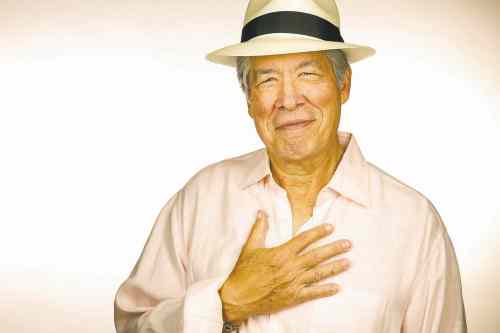
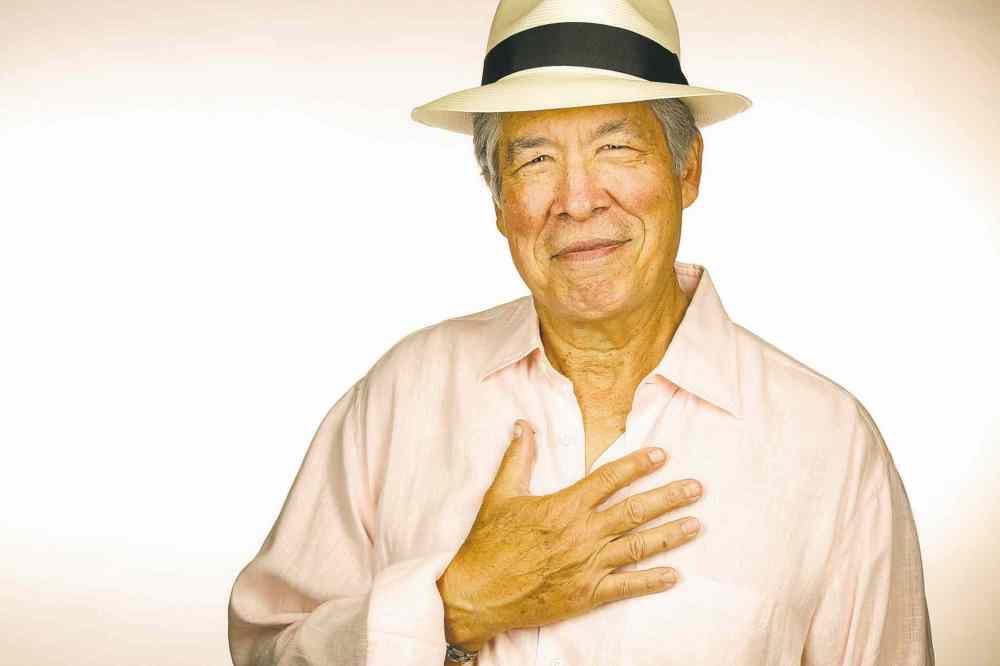
Since the appearance of his first novel, Medicine River, almost 25 years ago, Thomas King has become Canada’s most wide-ranging and best-known writer of novels, stories, children’s books, essays, films and TV programs that recreate, with wry and wise compassion, the dilemmas that have bedeviled the current and historical lives, myths, and realities of aboriginal people in North America. And therefore of all of us.
As the titles of two of his most celebrated books signal — the novel Green Grass, Running Water (1993) and A Coyote Columbus Story (1994) — King’s fictions often artfully intermingle native and European history and myth to offer powerful portraits and critiques of clashing cultures and histories.
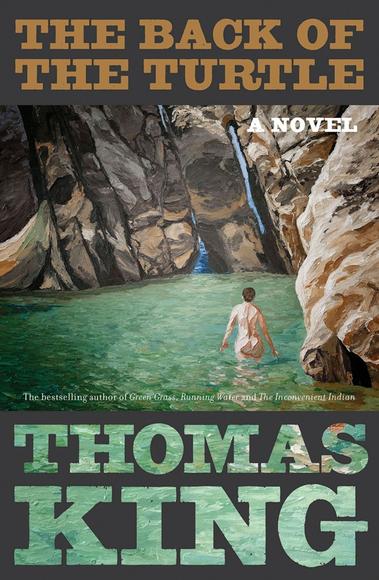
The Back of the Turtle, his first novel in 15 years, returns to this fertile ground with an all-too-relevant representation of corporatized scientific experimentation that leads to environmental exploitation and to catastrophe.
But if The Back of the Turtle gives us King’s bleakest, most apocalyptic fictional landscape, there is also a steady undercurrent of hope coursing through the novel.
Tellingly, the novel’s title alludes to a well-known native story that has surfaced in other King fictions about Sky Woman, who is saved from a fatal fall earthward by the cradling back of a giant turtle.
Here, that story resonates against the tragic devastation of a coastal area in B.C., where a scientifically engineered defoliant is accidentally loosed upon an entire ecosystem, killing almost the entire population of a reserve as well as all the area’s flora and fauna — including the thousands of turtles that used to attract throngs of tourists to their breeding site on the beach.
As in other King stories, this one is narrated to fine effect through the alternating points of view and histories of a series of opposed but related voices inhabiting the novel. At the novel’s opening Gabriel — the allusion to an angelic forebear is no mistake — has fled Domidion, the corporation where he worked as a lead scientist, to return to the reserve where the company’s products devastated his origins and forced his initial uprooting.
His belated insight into the tragic effects of his experiment has driven him to return to die; however, his intention is waylaid by a series of other characters, voices, visions, and events. Mara, for example, an artist who aspired to go to Paris but only got as far as Toronto — and, like Gabriel, has lost contact with her family and her roots — has also returned to the reserve, where she paints portraits of her lost antecedents and has Gabriel help her hang them in the abandoned homes.
And then there’s Sonny, the fatherless man-child with a hammer who roams the beach and the reserve looking for salvage and becomes, unwittingly but intuitively, one of the agents of the community’s hoped-for resurrection.
(Readers will attune themselves to the provenance both of Sonny and “Dad,” his absent but all-seeing, ever-present Father.)
Meanwhile, back in Toronto, the harried mega-millonaire CEO of Domidion, one Dorian Asher (again, King’s names are always carefully crafted), fights a desperate series of battles against his own failing body, beset by the insidious advances of unnamed afflictions, and against the storm of media attention unleashed on Domidion as yet another spill of deadly effluent escapes from its holding ponds in northern Alberta to destroy the Athabasca river system.
Dorian must grapple, too, with the coincidence that has linked Gabriel’s sudden disappearance from Domidion with that of a large turtle, suddenly vanished from the aquarium that was the object of Gabriel’s transfixed gaze.
As the characters’ back-stories are filled in, faint but growing signals of hope begin to surface later in the novel. Big Red, patriarch of the turtle clan that used to populate the beach, returns. The crabs, mollusks and anemones that nourished their larger brethren begin to reappear.
Sonny builds a tower out of salvaged scraps that stands on the beach like a beacon beckoning to the future. The faithful and gifted dog, Soldier, and his cheerfully cryptic steward, Crisp — he of the gnomic, Scots-inflected utterances who gives Soldier half an apple in the novel’s opening “Prologue” (readers, be alert) — attend many of the portentous events. And Gabriel and Mara begin to form a contested but potentially warm relationship.
As the novel’s epigraph suggests — it’s dedicated to “…the songs and the singers” — The Back of the Turtle is ultimately an invocation of the hope that might attend us in our current dire state.
The 12 shadowy native apostles Gabriel and others see rising out of the sea; Mara’s and Gabriel’s return to their home ground; the inevitable commingling of Sky Woman’s fall and salvation with events narrated in other parables, gardens, and forbidden fruits: all these stories sing, finally, to every living thing.
Perhaps the turtle’s back might yet be broad enough for us all.
Canadian literature scholar Neil Besner is provost and vice-president, academic and international at the University of Winnipeg.
History
Updated on Saturday, September 6, 2014 7:48 AM CDT: Formatting.