Young heartbreak
Teenage romantic drama breaks down boundaries in vivid new graphic novel
Advertisement
Read this article for free:
or
Already have an account? Log in here »
To continue reading, please subscribe:

Digital Subscription
One year of digital access for only $205*
- Enjoy unlimited reading on winnipegfreepress.com
- Read the E-Edition, our digital replica newspaper
- Access News Break, our award-winning app
- Play interactive puzzles
*First annual payment billed as $205.00 + GST for one year. This annual subscription will automatically renew at $233.00 + GST every 52 weeks (10% off the regular annual price of $259.35). Offer available to new and qualified returning subscribers only. Cancel any time.
To continue reading, please subscribe:
Add Free Press access to your Brandon Sun subscription for only an additional
$1 for the first 4 weeks*
- Enjoy unlimited reading on winnipegfreepress.com
- Read the E-Edition, our digital replica newspaper
- Access News Break, our award-winning app
- Play interactive puzzles
*Your next Brandon Sun subscription payment will increase by $1.00 and you will be charged $17.95 plus GST for four weeks. After four weeks, your payment will increase to $24.95 plus GST every four weeks.
Read unlimited articles for free today:
or
Already have an account? Log in here »
Hey there, time traveller!
This article was published 15/06/2019 (2599 days ago), so information in it may no longer be current.
Girl meets girl, girl figures out her sexuality, girl comes out and embarks on her first queer relationship: this type of young-adult story arc is, of course, important for teens who may be experiencing the same thing. But, then, what’s next?
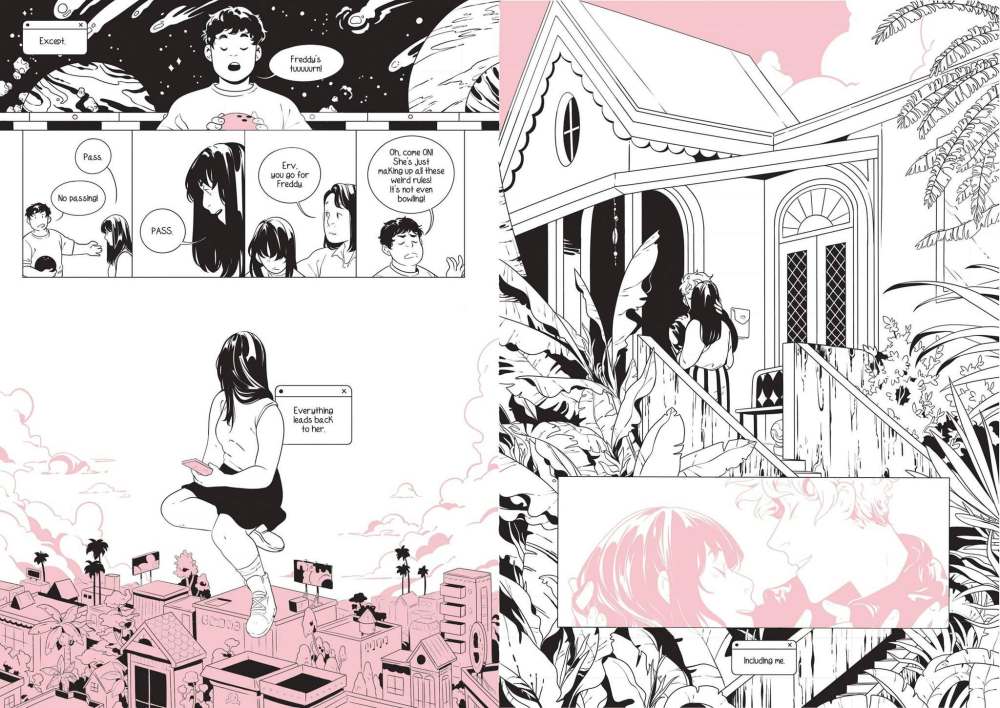
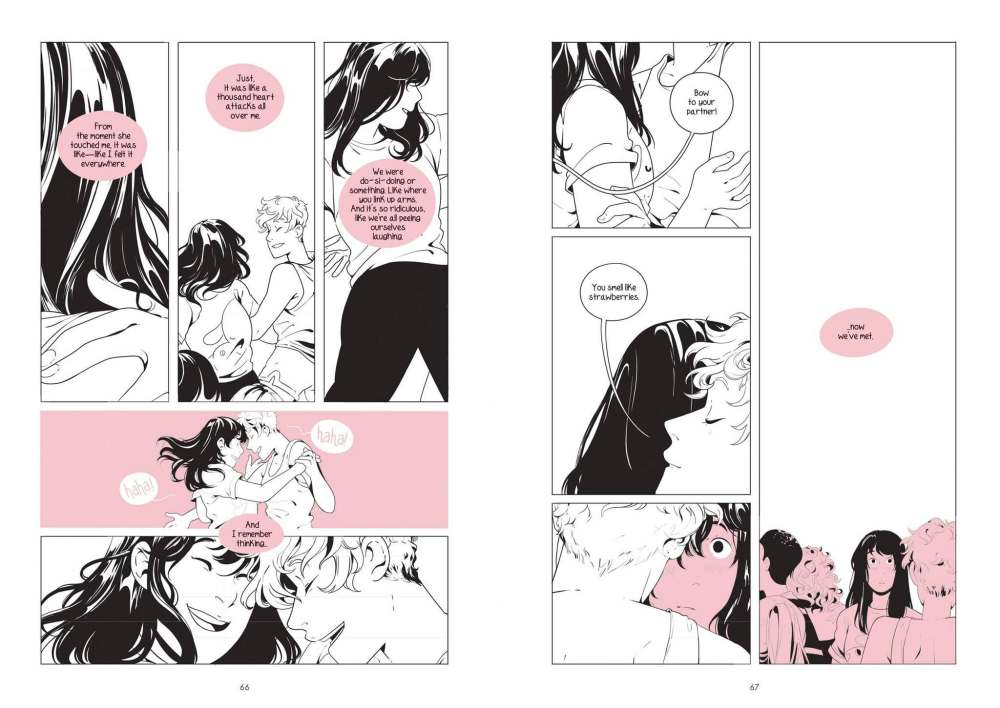
Laura Dean Keeps Breaking Up With Me, the new graphic novel written by Canadian author Mariko Tamaki and illustrated by American artist Rosemary Valero-O’Connell, instead begins with a breakup that’s in full swing. Again. Seventeen-year-old Frederica (Freddy) Riley already identifies as “pretty gay,” as she writes to an advice columnist about how to navigate her on-again, off-again relationship with her girlfriend Laura Dean. The conceit is that the novel itself serves as a type of open-ended advice column to young readers who witness not Freddy’s coming out, but her coming to terms with a toxic relationship.
After two novels and two critically acclaimed graphic works, Tamaki’s portrayal of teenagers is still vivid and fresh, while new talent Valero-O’Connell depicts the hallmarks of high school friendships and romantic drama with intricate black-and-white line work deftly punctuated with text messages and splashes of bubble-gum pink.
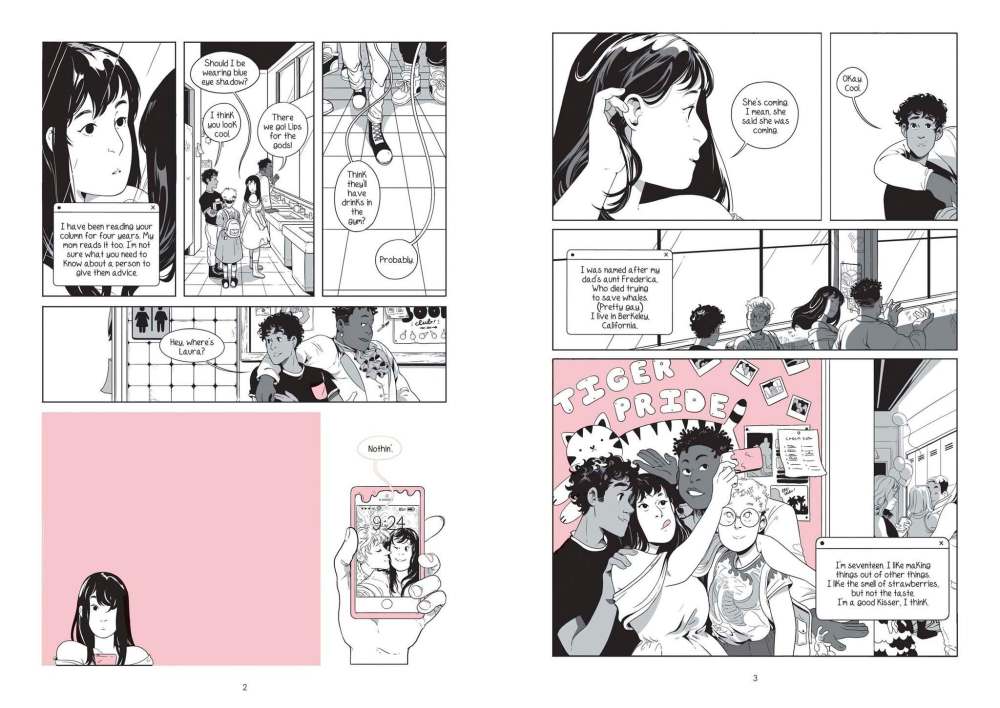
Though the book centres on interpersonal relationships, the titular Laura remains purposely elusive. Instead, Laura Dean is rooted in a palpable sense of place that further establishes Freddy’s identity. Valero-O’Connell takes detailed care to personalize the spaces Freddy inhabits, regardless of their scope, as the story moves from her messy art-girl bedroom (she creates hybrid stuffed animals out of thrift-store discards) to dazzling crowd scenes in larger places like the high school, Gertrude’s (the queer diner where Freddy works) and various social gatherings and parties.
The creative and personal growth Freddy experiences in these spaces only makes her stagnant relationship even more heartbreaking in contrast, even though, ever self-aware, she remarks: “I know there are LGBTQIA activists out there who fought for centuries for me to have the right to (mess) up like this.”
Similarly, Gertrude’s is a hotbed for peripheral discussions about queer media — the specials are all named after famous lesbians — and also generational differences regarding language and acceptance around queerness. Vi, a mentor figure from the local doughnut shop, also offers Freddy solace beyond school and work (and Laura) by inviting her out to an art show to meet some new folks.
Nuances between and across groups are also shown within Freddy’s troupe of school friends, as Tamaki and Valero-O’Connell depict various ethnicities (Freddy is mixed race) and a spectrum of genders, all from teens who are already out. Freddy’s best friend Doodle is non-binary, and Buddy and Eric are a gay couple who Freddy says “are the only two people (she knows) who feel like they’re really in love.” Though their solid relationship is a nice flip side to Freddy’s unhealthy one, it is not without its own problems, namely that Eric is from a religious family and his mom doesn’t know he’s dating Buddy.
Quiet, unassuming Doodle is always there to listen to Freddy’s latest Laura-centric lament, but is also not without problems of their own, a situation that snaps Freddy into realizing that her questionable decision-making regarding Laura is negatively affecting not only her own life, but the lives of others as well. Incidentally, it’s Doodle’s remark to Freddy about how she’s been a terrible friend that causes Freddy to be assertive in re-evaluating her relationship with Laura.
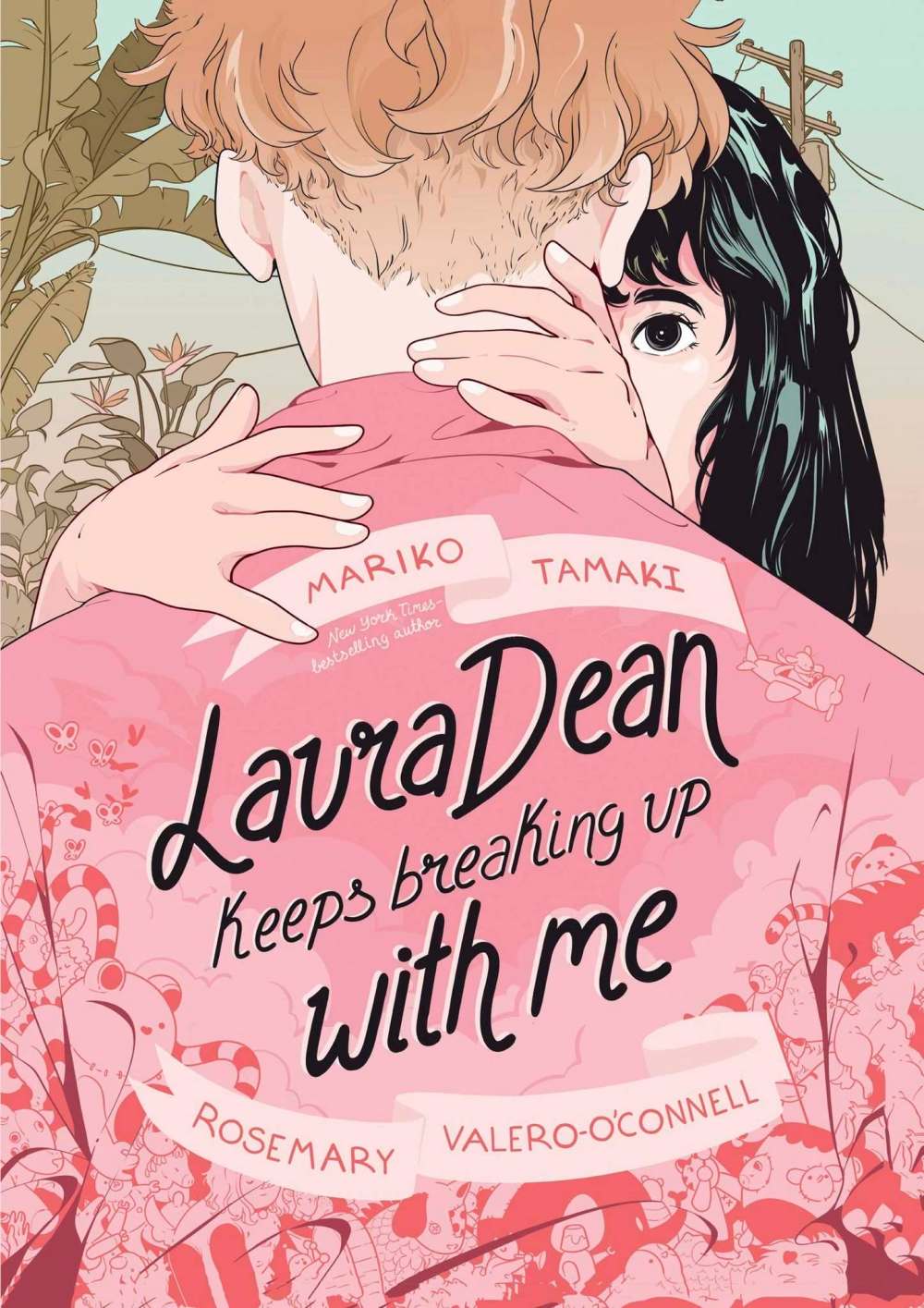
By framing the dangers of normalizing toxic relationships within a wider context, Laura Dean Keeps Breaking Up With Me presents healthy, respectful connection not just as an act of self-preservation but as care for your friends and community, too, doubly so within marginalized groups. As Freddy figures out what she needs, Tamaki and Valero-O’Connell blend a timeless story of teenage heartbreak with the type of interiority still rarely afforded to queer women of colour, affirming that although romantic love may be important, having “other things to be” is just as worthwhile.
Winnipeg’s Nyala Ali writes about race and gender in contemporary narratives.