Vignettes in derelict Soviet dwelling delight
Advertisement
Read this article for free:
or
Already have an account? Log in here »
To continue reading, please subscribe:

Digital Subscription
One year of digital access for only $205*
- Enjoy unlimited reading on winnipegfreepress.com
- Read the E-Edition, our digital replica newspaper
- Access News Break, our award-winning app
- Play interactive puzzles
*First annual payment billed as $205.00 + GST for one year. This annual subscription will automatically renew at $233.00 + GST every 52 weeks (10% off the regular annual price of $259.35). Offer available to new and qualified returning subscribers only. Cancel any time.
To continue reading, please subscribe:
Add Free Press access to your Brandon Sun subscription for only an additional
$1 for the first 4 weeks*
- Enjoy unlimited reading on winnipegfreepress.com
- Read the E-Edition, our digital replica newspaper
- Access News Break, our award-winning app
- Play interactive puzzles
*Your next Brandon Sun subscription payment will increase by $1.00 and you will be charged $17.95 plus GST for four weeks. After four weeks, your payment will increase to $24.95 plus GST every four weeks.
Read unlimited articles for free today:
or
Already have an account? Log in here »
Hey there, time traveller!
This article was published 25/04/2020 (2311 days ago), so information in it may no longer be current.
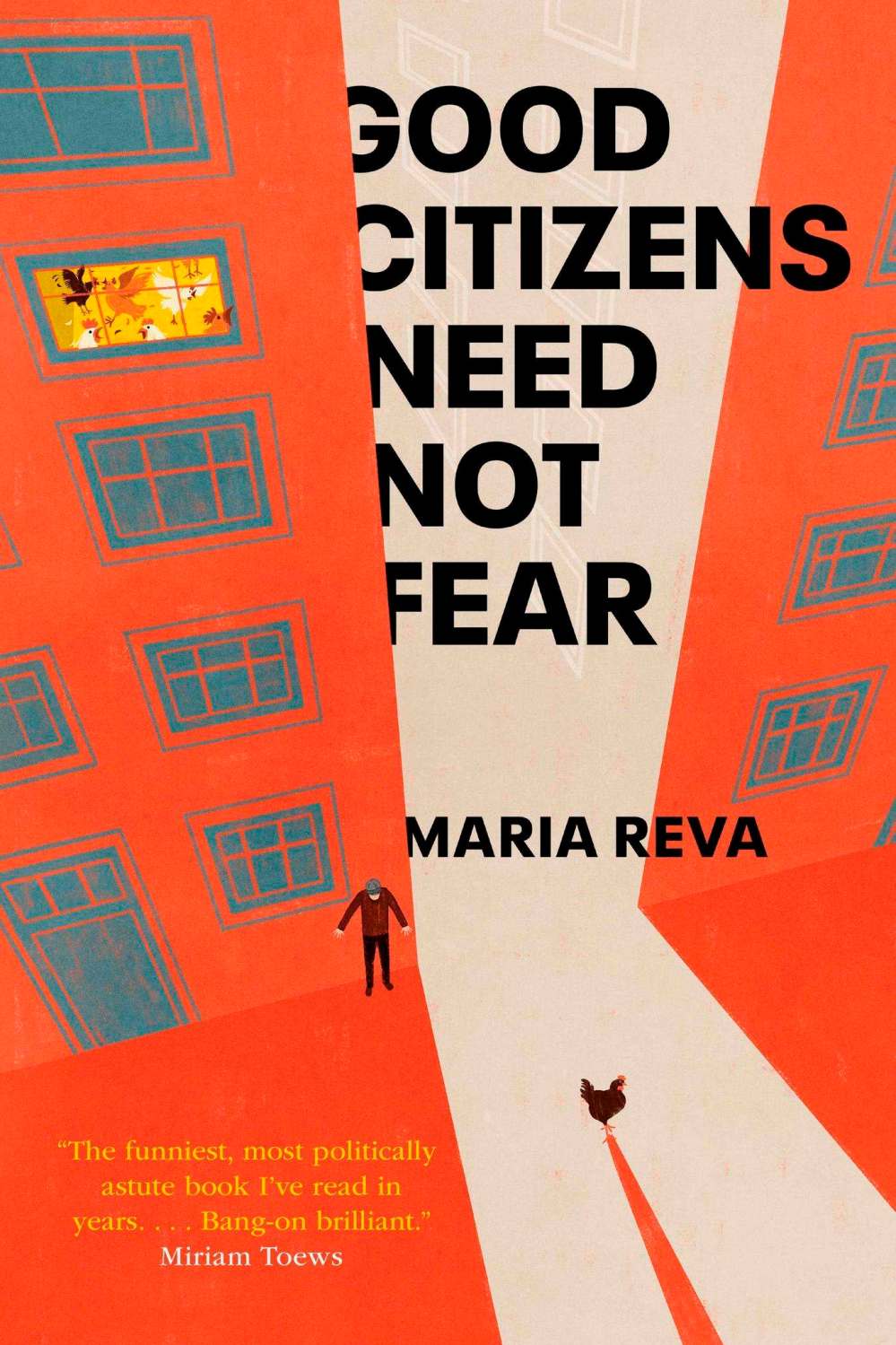
The new collection of nine interconnected short stories by Ukrainian-born, Vancouver-based writer Maria Reva — winner of the RBC Bronwen Wallace Award for Emerging Writers in 2018 — is set for the most part in a crumbling building in the Ukrainian town of Kirovka at the end of, and just after, the fall of the Soviet Union.
The move from a crushing totalitarian state to a kind of wild west of make-do capitalist scrambling underlies and illuminates the lives of the building’s inhabitants. Survivors all — from the bureaucrats who try to make impossible demands from the commissars bearable to the underground antics of those bucking the state’s restrictions — Reva’s wonderful characters prove the central theme of the book: that the absurdity and cruelty of the world when push comes to shove can’t lessen or corrupt the human spirit.
The building, 1933 Ivansk Street, doesn’t officially exist according to state papers, coming into being because there was extra rubble left over to build something. If the building doesn’t exist officially, it follows that the inhabitants don’t either. This crazy notion may go beyond Franz Kafka, and Reva’s tone of the darkest satire makes the stories bitterly hilarious.
Like Nikolai Gogol, the first great Ukrainian-born Russian writer, who showed the crushing czarist state in all its absurdity, Reva’s satire spares no one, though many get a little sympathy. Perhaps that’s the Canadian in the author showing through. However, the sympathy mixed with laughter of the first pre-fall stories turns into the blackest comedy as the characters grow nastier in the post-fall tales.
At the edge of what goes on in the building is the story of Zaya, who grows up in the madhouse of a state orphanage operating in a converted monastery. Zaya’s bizarre escape with the desiccated body of a saint the monks had secreted away before the state took over the place makes perfect sense in this world.
Indeed, though Reva is careful about overt symbolism, Ukraine under the Soviet heel could be considered a mistreated orphan. In any case, Zaya becomes linked with the building’s residents — particularly Konstantyn, a scruffy would-be radical poet and minor bureaucrat (pre-fall) and scam artist (post-fall). She makes a scene at the first Miss U.S.S.R. pageant, a contest engineered by Konstantyn, and in Homecoming, the best of the stories, ends up leading Konstantyn’s Soviet-era tours after the fall, where the new rich visit Zaya’s horrible orphanage submitting themselves to the full outrageous “experience.”
Meanwhile Danil, an even-lesser bureaucrat than Konstantyn who once hounded the poet to apologize for a joke offending the state, now works as a security guard in the museum housed in the first floor of the building. It displays the desiccated saint and is visited mainly by the poor. In the story Lucky Toss the saint’s teeth are lost and eventually recycled to end up in Danil’s mouth. How the teeth got there in the new post-fall society reminds one that no matter how crazy the world was in the other stories, it can get even crazier.
As one story (and character) leads to another, the reader roots for them all, even if disliking some. The weaving of one character with another and the surprises experienced with them along the way is flawlessly written. Maria Reva is a new voice in fiction, but already on the basis of this great collection a dominating one.
Rory Runnells is a Winnipeg writer.