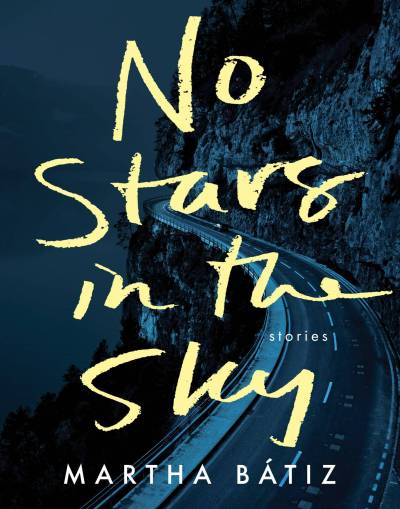
Injustice, struggles permeate Bátiz’s stories
Advertisement
Read this article for free:
or
Already have an account? Log in here »
To continue reading, please subscribe:

Digital Subscription
One year of digital access for only $205*
- Enjoy unlimited reading on winnipegfreepress.com
- Read the E-Edition, our digital replica newspaper
- Access News Break, our award-winning app
- Play interactive puzzles
*First annual payment billed as $205.00 + GST for one year. This annual subscription will automatically renew at $233.00 + GST every 52 weeks (10% off the regular annual price of $259.35). Offer available to new and qualified returning subscribers only. Cancel any time.
To continue reading, please subscribe:
Add Free Press access to your Brandon Sun subscription for only an additional
$1 for the first 4 weeks*
- Enjoy unlimited reading on winnipegfreepress.com
- Read the E-Edition, our digital replica newspaper
- Access News Break, our award-winning app
- Play interactive puzzles
*Your next Brandon Sun subscription payment will increase by $1.00 and you will be charged $17.95 plus GST for four weeks. After four weeks, your payment will increase to $24.95 plus GST every four weeks.
Read unlimited articles for free today:
or
Already have an account? Log in here »
Hey there, time traveller!
This article was published 04/06/2022 (1578 days ago), so information in it may no longer be current.
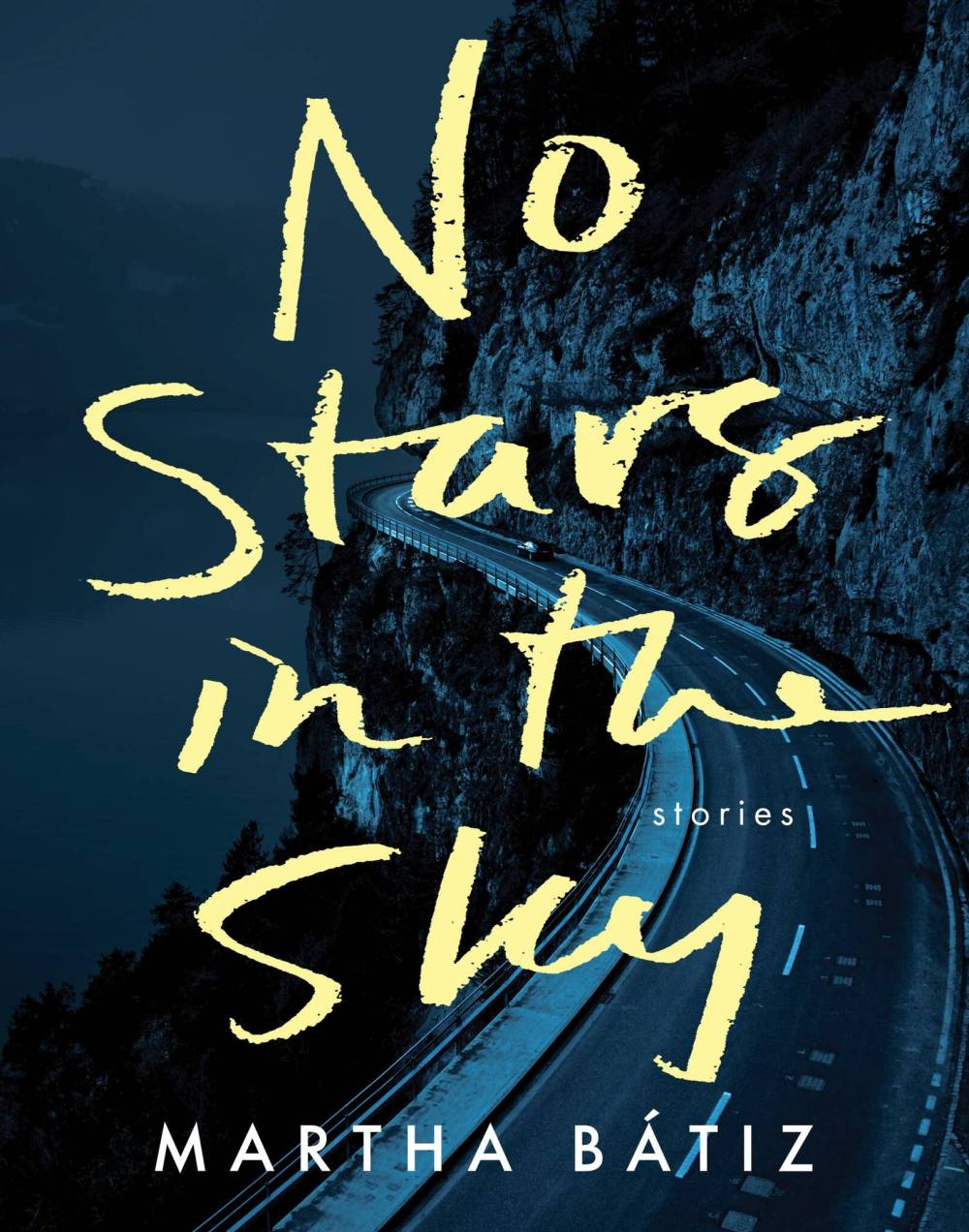
Feelings of sadness and outrage at the world’s injustices can connect people with circumstances they have never personally experienced. In No Stars in the Sky, Martha Bátiz uses fictional characters in real situations to describe the struggles and joys that people in Latin America often face. The short stories relate many traumatic and tragic circumstances while also celebrating joyful times in life, vividly portraying the complexity of the human experience.
Bátiz is an author, translator, and professor of Spanish language and literature whose works include the story collection Plaza Requiem, winner of an International Latino Book Award. Another of her four books, a novella entitled The Wolf’s Mouth, won the Casa de Teatro Prize. She was born and raised in Mexico City but currently lives in Toronto.
Many of 19 stories in her latest collection deal with the sorrows or traumas that can come to people — from a mother dealing with her son’s suicide and another mother searching for her missing daughter to young women dealing with the dangers of border crossings. Strained relationships between a father and daughter, the threat of violence, the internal struggles of renewing relationships after being released from prison and other situations highlight the difficulties that people can face in Latin America and beyond.
Not every story in this volume is dark and traumatic. The First Piano tells of a concert held in a remote village, where residents gather to hear a musician playing pieces that many people had never heard before. Vivid descriptions of the journey of piano and pianist, an account of the complicated process of getting the instrument out of the vehicle and safely into place and the descriptions of excited villagers jumping with anticipation make this story a welcome contrast to many of the others in the book.
Family relationships are prominent in this volume, but they are always related to larger issues of how people deal with various traumatic situations, or even with the trials of everyday life. Many of the stories are told in the first person, sometimes making it hard to understand the context but giving an immediacy to the accounts that could be missing otherwise.
Using fictional stories to describe murders, kidnappings and other acts of violence that people face in real life helps the author to emphasize the effects of these events on the victims rather than concentrating on the experiences themselves. The first-person, stream-of-consciousness style of narrative in many of the stories is both a benefit and a possible detriment. While it gives readers an opportunity to engage with the story more fully, it also limits the amount of background information and context the author can give.
The choice of style and genre is about provoking a reaction rather than a debate. The author comments in her preface that No Stars in the Sky is more about expressing sadness and outrage at injustice than about describing the circumstances that cause these emotions. The result is a book that can give readers insights into how injustices affect people’s lives and the need to speak about pain before healing can happen.
Whether as a collection of stories or as an unusual style of treatise, this book gives valuable and interesting insights into life in Latin America and the people who live there.
Susan Huebert is a Winnipeg writer, editor and pet sitter.