Review: Tom Hanks’ novel shares inside look at moviemaking
Advertisement
Read this article for free:
or
Already have an account? Log in here »
To continue reading, please subscribe:

Digital Subscription
One year of digital access for only $205*
- Enjoy unlimited reading on winnipegfreepress.com
- Read the E-Edition, our digital replica newspaper
- Access News Break, our award-winning app
- Play interactive puzzles
*First annual payment billed as $205.00 + GST for one year. This annual subscription will automatically renew at $233.00 + GST every 52 weeks (10% off the regular annual price of $259.35). Offer available to new and qualified returning subscribers only. Cancel any time.
To continue reading, please subscribe:
Add Free Press access to your Brandon Sun subscription for only an additional
$1 for the first 4 weeks*
- Enjoy unlimited reading on winnipegfreepress.com
- Read the E-Edition, our digital replica newspaper
- Access News Break, our award-winning app
- Play interactive puzzles
*Your next Brandon Sun subscription payment will increase by $1.00 and you will be charged $17.95 plus GST for four weeks. After four weeks, your payment will increase to $24.95 plus GST every four weeks.
Read unlimited articles for free today:
or
Already have an account? Log in here »
Hey there, time traveller!
This article was published 09/05/2023 (1244 days ago), so information in it may no longer be current.
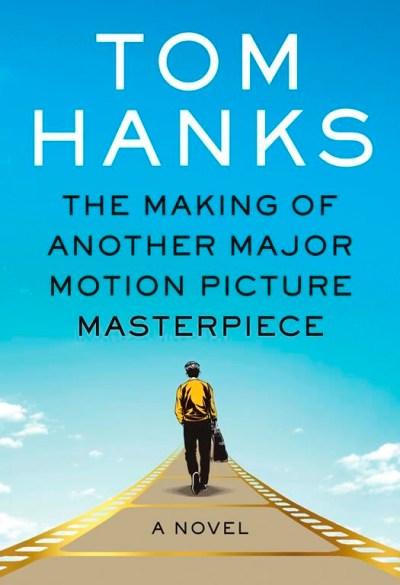
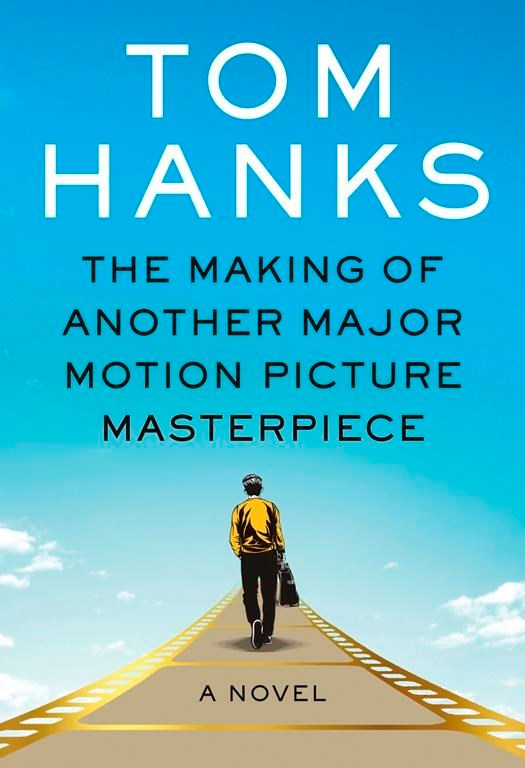
“The Making of Another Motion Picture Masterpiece,” by Tom Hanks (Knopf)
There may be no one better suited to tell the tale of how a movie gets made than Hollywood icon and master of the motion picture Tom Hanks.
His debut novel follows the life of a story from its inspiration to when it hits the silver screen. The fictional tale captures the magic of the process, yes, but also the crawling, detail-packed moviemaking step, presented just so in the bulk of the novel.
The first act takes place in the ’70s, introducing readers to Robby Anderson, a 5-year-old with a knack for drawing comic strips, and his hero and Marine veteran uncle, Bob Falls. When Uncle Bob exits Robby’s life as quickly as he entered it, all Robby has left of him is a comic likeness he drew of his uncle as a World War II flamethrower superhero.
Robby grows up to create a fully fledged comic strip based on said character, and after fast-forwarding to present day, the strip is discovered in a collection of old comics by genius movie director Bill Johnson, who’s seeking inspiration for a Marvel-esque superhero movie he’s itching to make.
From there, the novel takes readers by the hand through the ins and outs of moviemaking. Straying from the plot frequently to delve into the many, many characters involved, not a detail is spared. Readers leave each lengthy introduction knowing the character’s drink of choice, relationship history and sense of humor.

Perhaps at its heart, this novel acts as a thank you to the unsung heroes of movie production. Drivers, makeup artists and personal assistants alike all get a shot in the spotlight, sometimes at the expense of some semblance of any story progression.
At one point, Bill’s agent says his script has “too many scenes, too many characters, too many pages and not enough conflict.” The same could be said for this novel, but if you have the patience to sit back and get to know each lovingly crafted character as much as Hanks wants you to, you can learn some interesting aspects of moviemaking and get a glimpse of what it takes to make a motion picture masterpiece.