Benefits of local, ancient ingredients explored
Advertisement
Read this article for free:
or
Already have an account? Log in here »
To continue reading, please subscribe:

Digital Subscription
One year of digital access for only $205*
- Enjoy unlimited reading on winnipegfreepress.com
- Read the E-Edition, our digital replica newspaper
- Access News Break, our award-winning app
- Play interactive puzzles
*First annual payment billed as $205.00 + GST for one year. This annual subscription will automatically renew at $233.00 + GST every 52 weeks (10% off the regular annual price of $259.35). Offer available to new and qualified returning subscribers only. Cancel any time.
To continue reading, please subscribe:
Add Free Press access to your Brandon Sun subscription for only an additional
$1 for the first 4 weeks*
- Enjoy unlimited reading on winnipegfreepress.com
- Read the E-Edition, our digital replica newspaper
- Access News Break, our award-winning app
- Play interactive puzzles
*Your next Brandon Sun subscription payment will increase by $1.00 and you will be charged $17.95 plus GST for four weeks. After four weeks, your payment will increase to $24.95 plus GST every four weeks.
Read unlimited articles for free today:
or
Already have an account? Log in here »
Hey there, time traveller!
This article was published 04/11/2023 (1062 days ago), so information in it may no longer be current.
How do we eat well in the face of mass urbanization, monoculture and industrialized food production? According to Taras Grescoe, we should look to the past for answers.
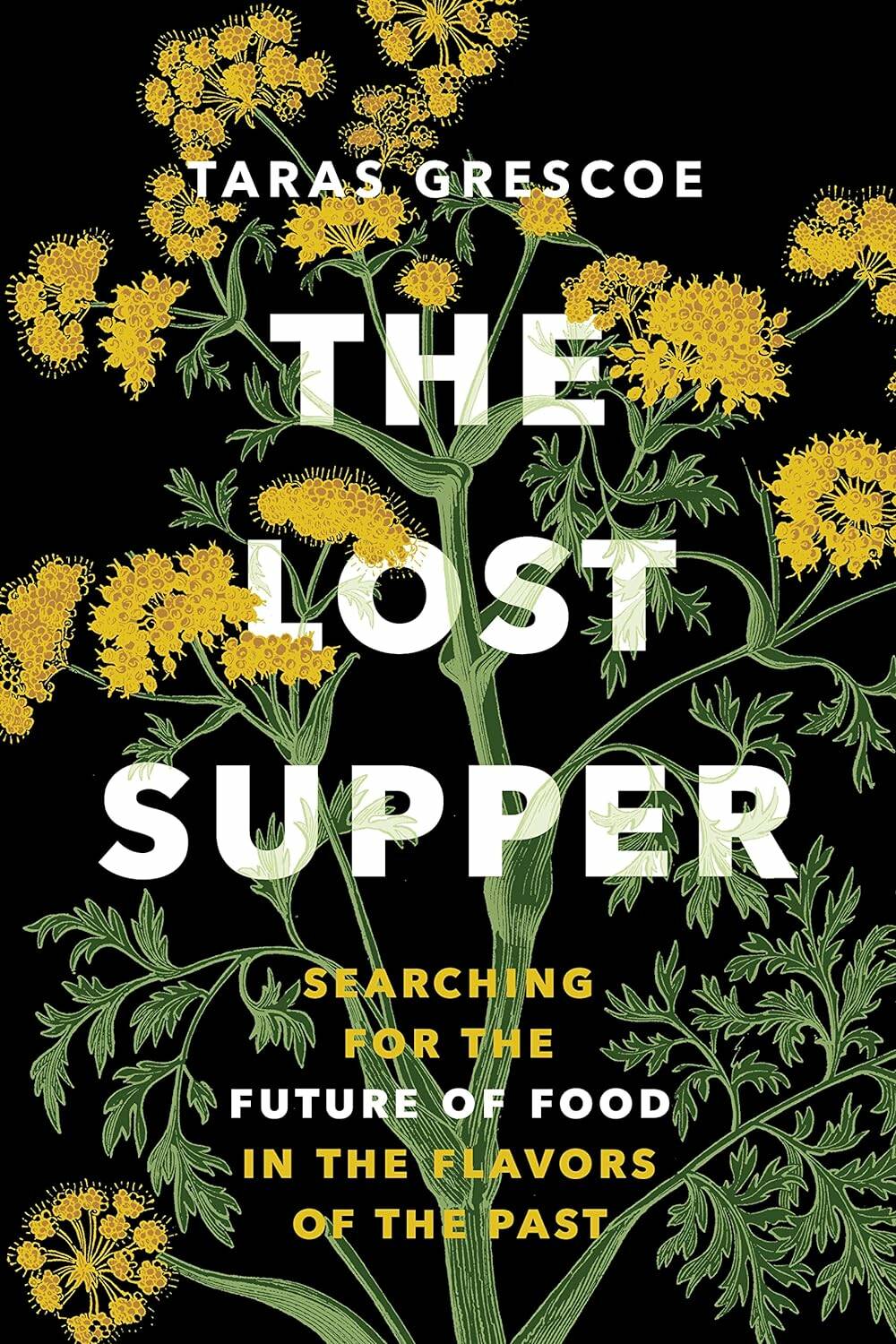
In his informative and engaging travelogue, The Lost Supper: Searching for the Future of Food in the Flavors of the Past, Grescoe argues that neither food quality nor security will come from lab-grown meat or by combining the genomes of different organisms to create artificial plants. He advocates examining how ancient civilizations sustained themselves and their environments — without importing ingredients from across oceans or by processing foods that add bulk but little nutrition and which warp our concepts of flavour and taste.
A professor of literary writing at Montreal’s Concordia University, Grescoe’s articles have appeared in noted newspapers and magazines. He has also written eight books on food, travel and the environment for which he’s been recognized with awards, including the Mavis Gallant Prize. His father hailed from Winnipeg.
Grescoe travelled to Mexico, Britain, Turkey, British Columbia and beyond, meeting with archaeologists, farmers and food producers to source what are now obscure foods. He identified how colonial conquest played a key role in eliminating foods, destroying growing spaces and water systems, leading to the ruin of Indigenous societies. Food customs were discounted, imported crops replaced native plants and greed prompted the export of foods that led to their extinction.
He tracked down chefs, elders and suppliers and paid top dollar for ingredients that once were within immediate reach. Some foods he sampled will make most modern eaters squeamish. Axayacatl, a protein-rich aquatic insect, was once roasted and consumed by the Aztecs. So were its eggs, ahuautle, also known as Mexican caviar. Grescoe chowed down on heaps of champoloco — a maguey (cactus) worm, grilled and wrapped in guacamole-smeared tortillas. He pronounced them “delicious,” tasting like “tiny well-browned sausages stuffed with almond butter.”
As a bonus, he adds illuminating histories of the locales, the peoples and the foods, with diversions that last for pages. They add depth to the understanding of how foods, food choices and societies evolved.
He addresses the effects specific crops have on the earth they grow in. He notes that First Nations from Mexico north to modern Quebec and Ontario cultivated the complementary “three sisters” — beans, squash and corn — producing crops in rotation that kept people fed, the compost of each plant continually replacing the nitrogen in the soil. That natural replenishment is compared to synthetic fertilizers used to boost growth in monoculture crops, with the consequent long-term negative effects on soil, waterways, insects, animals and other plants.
He cites the almost-complete disappearance of foods that were plentiful not long ago. Camas is a carbohydrate-rich bulb of a lily formerly used by the Coast Salish peoples to balance their diet of mostly fish. When cooked, the bulb becomes a healthy sugar. But colonization, the gold rush, mining and tracts of urban construction wiped out the meadows the plant needs to grow. Where the city of Victoria sits was a vast swath of meadow 150 years ago. Potatoes and refined sugars then became staples in the Indigenous diet, causing the plague of diabetes and related health problems that still undermine progress in these communities.

While many of these plants are scarce, they still exist, so Grescoe hopes they’re restored to popular use. He encourages us to keep track of the plants and animals we consume, to buy local and cook from scratch when possible. We may not all want to snack on lime-toasted crickets when we snuggle in for a football marathon on television, but simple steps, over time, may make us healthier and wiser.
Harriet Zaidman’s food blog, North End Nosh (northendnosh.weebly.com) has plenty of recipes, but so far, none with crickets or worms.