A riveting reunion
Woman reconnects with long-absent stepfather in Patchett’s profound prose
Advertisement
Read this article for free:
or
Already have an account? Log in here »
To continue reading, please subscribe:

Digital Subscription
One year of digital access for only $205*
- Enjoy unlimited reading on winnipegfreepress.com
- Read the E-Edition, our digital replica newspaper
- Access News Break, our award-winning app
- Play interactive puzzles
*First annual payment billed as $205.00 + GST for one year. This annual subscription will automatically renew at $233.00 + GST every 52 weeks (10% off the regular annual price of $259.35). Offer available to new and qualified returning subscribers only. Cancel any time.
To continue reading, please subscribe:
Add Free Press access to your Brandon Sun subscription for only an additional
$1 for the first 4 weeks*
- Enjoy unlimited reading on winnipegfreepress.com
- Read the E-Edition, our digital replica newspaper
- Access News Break, our award-winning app
- Play interactive puzzles
*Your next Brandon Sun subscription payment will increase by $1.00 and you will be charged $17.95 plus GST for four weeks. After four weeks, your payment will increase to $24.95 plus GST every four weeks.
Read unlimited articles for free today:
or
Already have an account? Log in here »
A winter car accident, childhood abandonment, grave illness and broken hearts are all central to Ann Patchett’s latest novel, but Whistler is far from a sad and depressing work of fiction. It is, rather, a lovely and engaging novel about decent, well-meaning people, the art of forgiveness and the embrace of family.
A resident of Nashville, Tenn., Patchett is the author of nine other novels, including Bel Canto (winner of the Orange Prize for Fiction), the Pulitzer Prize finalist The Dutch House and the COVID-set Tom Lake.
Like that last work of fiction, Whistler is set in the 2020s and is narrated by a strong, independent woman with much to be grateful for. It is not, contrary to its cover design and the fact that it is named for a horse, a novel about a horse.
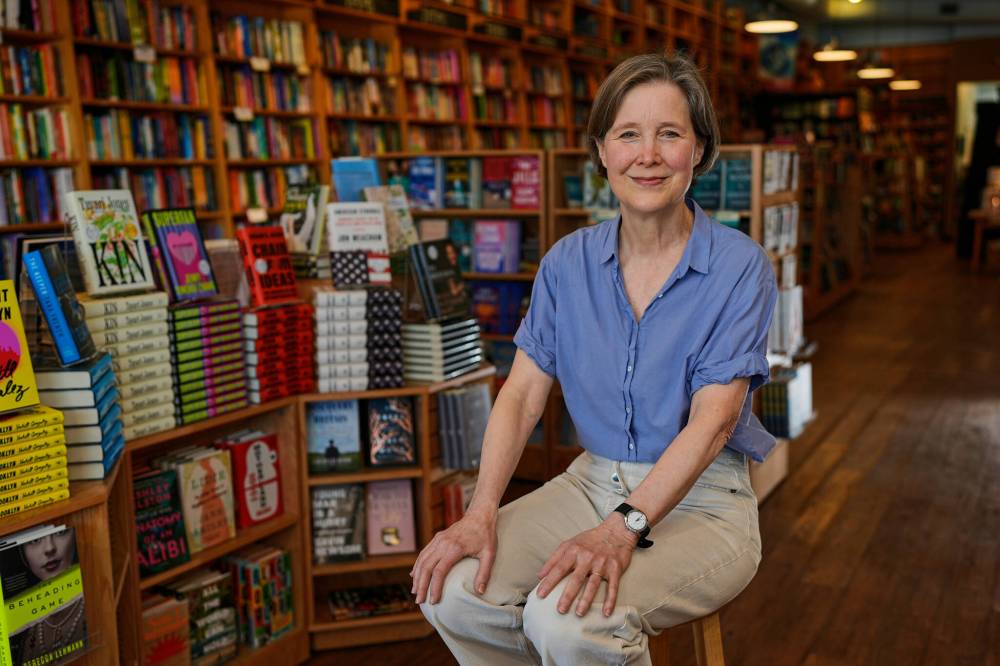
George Walker IV / The Associated Press files
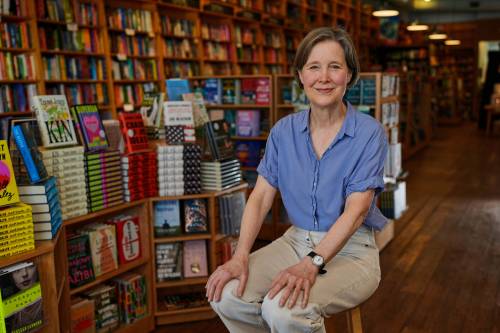
Ann Patchett was recently awarded the awarded the Ambassador Richard C. Holbrooke Distinguished Achievement Award by the Dayton Literary Peace Prize Foundation for her body of work.
Middle-aged Daphne Fuller is a happily married private school English teacher living in Bronxville, N.Y. who has managed to keep some confusing and painful childhood memories at bay simply by not thinking about them.
“For me the past was a sinkhole,” she tells her husband, Jonathan. “Not that it was terrible, but there was nothing for me there.”
That determination to not think about the past changes abruptly when, while strolling through the Metropolitan Museum of Art, Daphne and Jonathan bump into Eddie Triplett, the man her mother was married to for a brief time when Daphne was nine.
“How was it that a weekday trip to a museum with my husband had plunged me back into childhood at the age of fifty-three?” Daphne wonders.
Eddie himself was never the source of Daphne’s bad memories; he had adored his stepdaughter, and she had adored him in return. As Patchett slowly reveals, however, it was his sudden disappearance from Daphne’s life, not his presence in it, that had fuelled much of her disdain for her past. She had long blamed herself for his moving out and away, and is thrilled to welcome him back into her life after so many years.
That welcoming back includes reintroducing him to her sister and mother, reminiscing with him about the good times that they enjoyed and rehashing with him the details of the life-altering trauma that they shared.
In return, a gentle and appreciative Eddie introduces Daphne to his publishing house colleagues and his closest friends, his old college roommate Skip and Skip’s wife of 50 years, Polly, whose relationships with Eddie are not quite what they seem.
Patchett animates all of these characters, and all of their intertwined relationships, with a few choice, direct and descriptive words. No one in this novel is a cardboard cutout — they are all real, flawed human beings who are well aware of and enjoy both their wealth and their privilege, despite also being well aware of “all the fires in the world.”
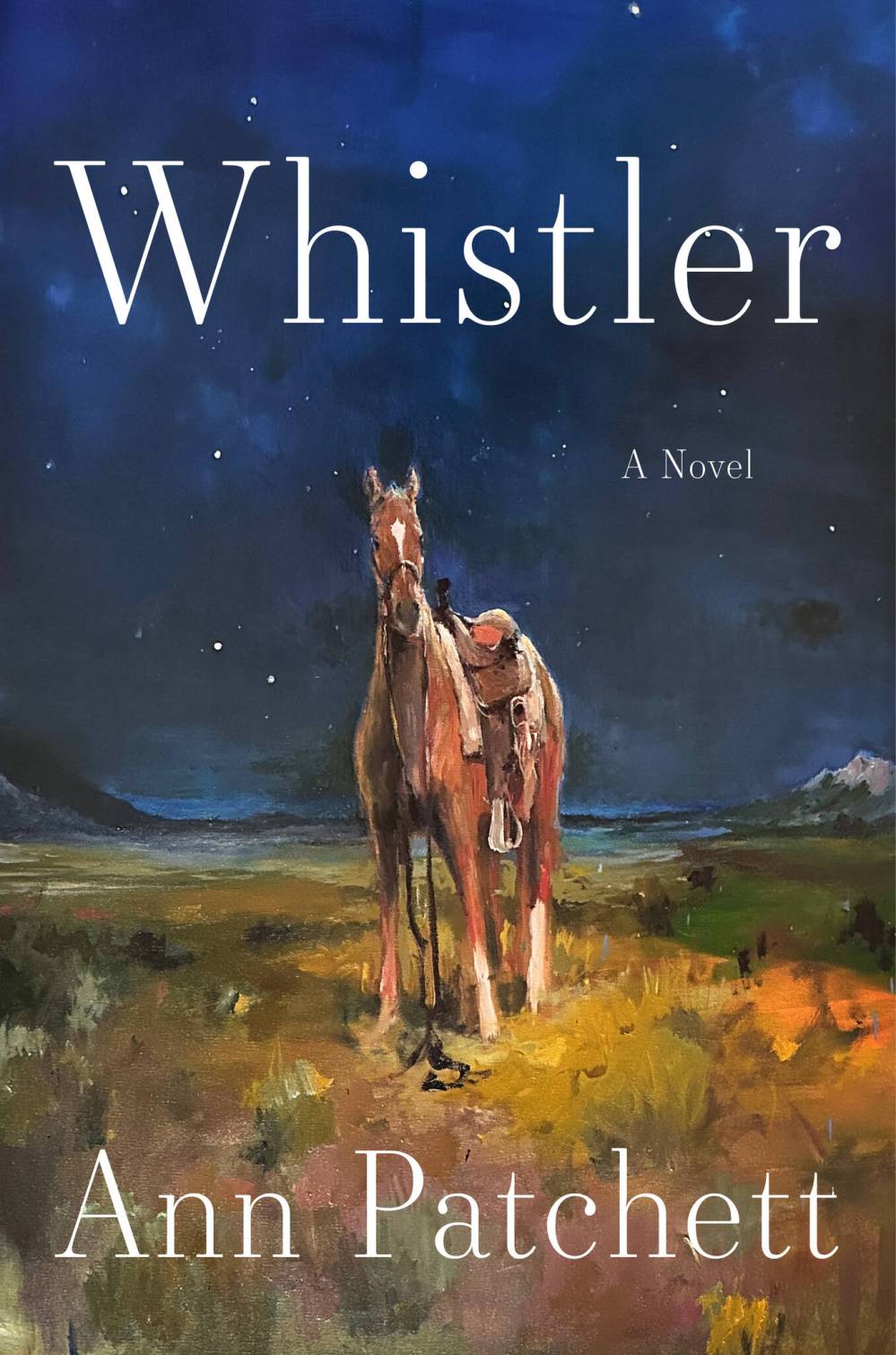
Whistler

They have made mistakes, sought forgiveness and told one another stories, both true and fabricated, to help manage both their own and their family and friends’ feelings and fears.
Those entanglements are all critical to the narrative, but it is the gentle, loving dynamic between Daphne and Eddie that propels this novel forward and keeps readers guessing about what is to come.
“Our hearts were forever stitched together, mine and Eddie’s,” Daphne says, and Patchett demonstrates exactly why that is so.
Whistler is a story about love and generosity of emotion. It is about letting people in instead of shutting them out, and giving them the benefit of the doubt. It is a nice story about generally nice people, and one that will certainly remind readers why, in 2021, Patchett received the U.S. National Humanities Medal for “putting into words the beauty, pain, and complexity of human nature.”
Sharon Chisvin is a Winnipeg writer, editor and oral historian.