Sisters’ retreat to haunted island lighthouse comes with a catch — a deal with the devil
Advertisement
Read this article for free:
or
Already have an account? Log in here »
To continue reading, please subscribe:

Digital Subscription
One year of digital access for only $205*
- Enjoy unlimited reading on winnipegfreepress.com
- Read the E-Edition, our digital replica newspaper
- Access News Break, our award-winning app
- Play interactive puzzles
*First annual payment billed as $205.00 + GST for one year. This annual subscription will automatically renew at $233.00 + GST every 52 weeks (10% off the regular annual price of $259.35). Offer available to new and qualified returning subscribers only. Cancel any time.
To continue reading, please subscribe:
Add Free Press access to your Brandon Sun subscription for only an additional
$1 for the first 4 weeks*
- Enjoy unlimited reading on winnipegfreepress.com
- Read the E-Edition, our digital replica newspaper
- Access News Break, our award-winning app
- Play interactive puzzles
*Your next Brandon Sun subscription payment will increase by $1.00 and you will be charged $17.95 plus GST for four weeks. After four weeks, your payment will increase to $24.95 plus GST every four weeks.
Read unlimited articles for free today:
or
Already have an account? Log in here »
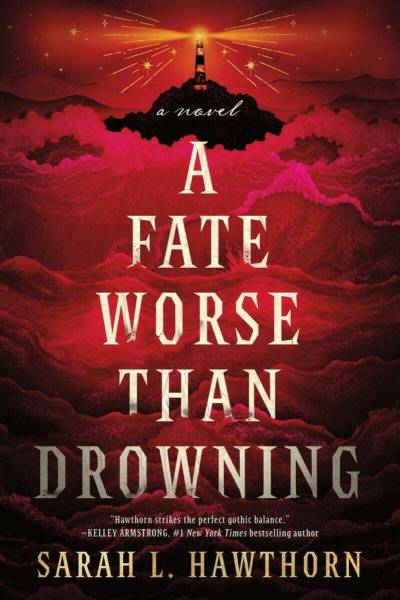
Would you be able survive a year tending a lighthouse on an uninhabited island, with only your younger sister for company? Even worse, what if you had made a deal with the devil in order to secure this “safe” arrangement?
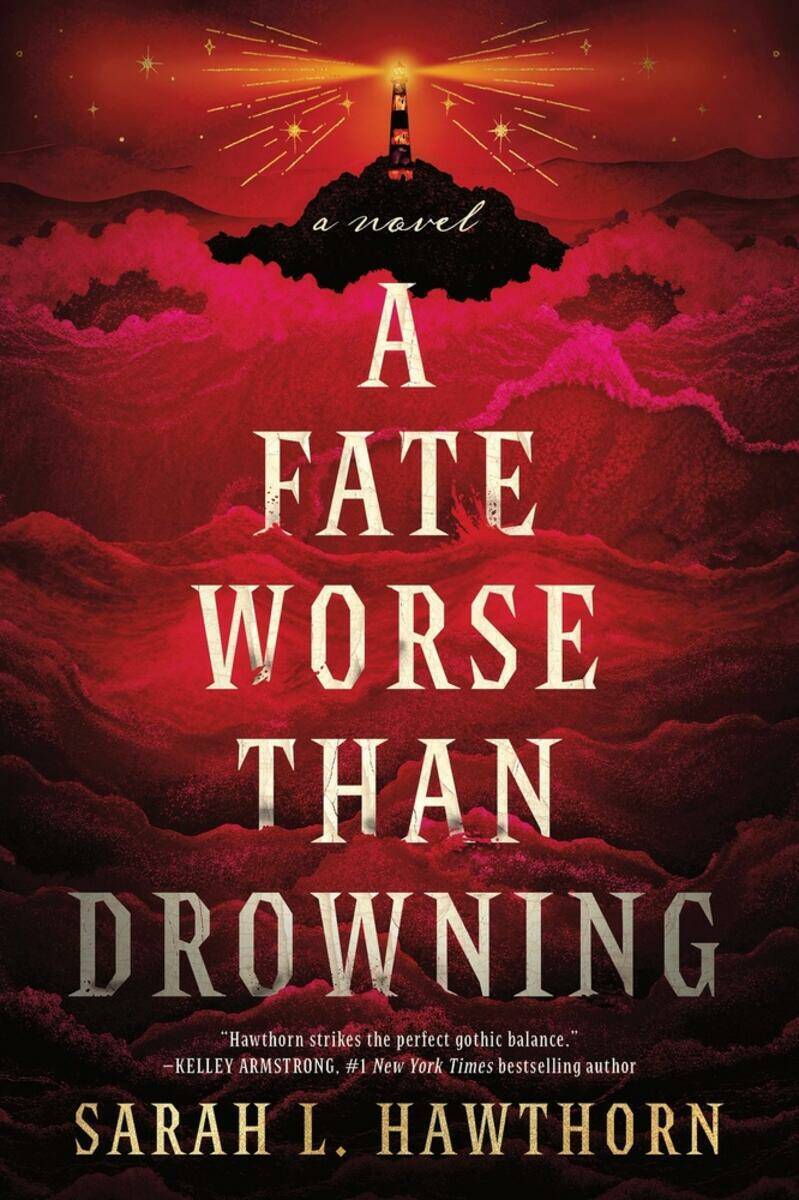
This is the basic premise of Halifax author Sarah L. Hawthorn’s debut novel A Fate Worse Than Drowning, a gothic romantasy set in 1870s Nova Scotia.
At the novel’s opening, Elle (Eleanor) and her sister Liney (Caroline) have been hiding out on Devil’s Island — an isolated and uninhabited island, save for a lighthouse and its keeper — off the coast of Halifax.
A Fate Worse Than Drowning
But the sisters have more than just each other for company. Liney is joined by Chamomile, an imaginary woman only she can see or hear. And Elle is haunted by the ghost of James Douglas, the lighthouse keeper she murdered so she and Liney could hide on the island in secret … though Elle has done much worse.
Before fleeing to Devil’s Island, Elle and Liney were the heirs of a prominent and wealthy family, though their fortunes were dwindling. In order to secure their status and wealth, their father planned to wed Elle to Thomas Seymour, in the midst of building a shipping empire. A cruel and calculating man, Thomas grows bored of Elle and instead sets his sights on wedding the younger Liney, planning to have Elle committed to an asylum to keep from spoiling his plan.
Desperate to save her sister from such a doomed marriage, and to save herself from the even crueller doom of a 17th-century asylum, Elle makes a deal with the mysterious Blakeney Pratterman, who seems to be the devil. He will grant her the power to kill her parents and escape with Liney to Devil’s Island, where Elle must work the lighthouse in order to sacrifice passing ships to Pratterman’s power. If Elle fails to uphold her end of the bargain, Pratterman will take Liney’s soul. The plot does not become any less convoluted as the novel progresses.

While A Fate Worse Than Drowning is a gothic fantasy where realistic plots don’t often fit, there are some issues with the story that are hard to overlook. Each chapter alternates between Elle’s and Liney’s perspectives, giving slightly different impressions of what’s going on. A confusing setup that lacks payoff is that each narrator mainly interacts with a character that the other can’t see (for Elle, the ghost of Douglas; for Liney, the imaginary Chamomile). The dual structure also opens the possibility for tension between the two narrators and what each actually knows is going on, but in actual practice the novel spends much of its time re-explaining the same information.
At the same time, the novel suffers from a lack of detail and explanation of important plot points. The supernatural elements of the novel aren’t well thought out, and offer no way for the reader to grasp how they work. There are some twists and turns which alter the initial ideas of just who or what Chamomile and Pratterman are, though there is no satisfactory explanation of their true nature by the novel’s end.
Within the plot is a sometimes fun power fantasy of marginalized women wrenching control of their lives away from the selfish men who normally control them. And there are some mild romantic elements, including a queer love story, which emerge later in the novel. These are where the novel works best — the story might have been better served by focusing on the budding queer romance in an oppressive time period. But these better plot threads are weighed down by the confusing overall plot and undercooked supernatural elements.

Ashley Cecilia photography
Sarah L. Hawthorn
While A Fate Worse Than Drowning in is still fun for casual readers who like their historical fiction with more imagination, it doesn’t hold up to much scrutiny.
Keith Cadieux is a Winnipeg writer and editor. His latest story collection, Donner Parties and Other Anti-Social Gatherings, is out now from At Bay Press and was named one of the best books of 2024 by the Free Press. He also co-edited the horror anthology What Draws Us Near, published by Little Ghosts Books.