Older and wiser
Brown ponders life in his 71st year, warts and all, in thoughtful, fearless prose
Advertisement
Read this article for free:
or
Already have an account? Log in here »
To continue reading, please subscribe:

Digital Subscription
One year of digital access for only $205*
- Enjoy unlimited reading on winnipegfreepress.com
- Read the E-Edition, our digital replica newspaper
- Access News Break, our award-winning app
- Play interactive puzzles
*First annual payment billed as $205.00 + GST for one year. This annual subscription will automatically renew at $233.00 + GST every 52 weeks (10% off the regular annual price of $259.35). Offer available to new and qualified returning subscribers only. Cancel any time.
To continue reading, please subscribe:
Add Free Press access to your Brandon Sun subscription for only an additional
$1 for the first 4 weeks*
- Enjoy unlimited reading on winnipegfreepress.com
- Read the E-Edition, our digital replica newspaper
- Access News Break, our award-winning app
- Play interactive puzzles
*Your next Brandon Sun subscription payment will increase by $1.00 and you will be charged $17.95 plus GST for four weeks. After four weeks, your payment will increase to $24.95 plus GST every four weeks.
Read unlimited articles for free today:
or
Already have an account? Log in here »
Sequels are rarely as good as their originals. (The movie The Godfather Part II may be the rare exception.) That’s the main shortcoming of Ian Brown’s Seventy, a sequel of sorts to his popular and acclaimed Sixty.
Both works are diaries of pivotal years in his life. And while Seventy has fewer surprises, Brown is still writing at the peak of his powers. Luckily, there are new things to ponder, wonder and worry about from a slightly different perspective.
Brown is the widely respected features reporter for the Globe and Mail. He has several books to his credit, most notably The Boy in the Moon: A Father’s Search for His Disabled Son, the winner of too many awards to list in a short book review. He’s an immensely accomplished writer.
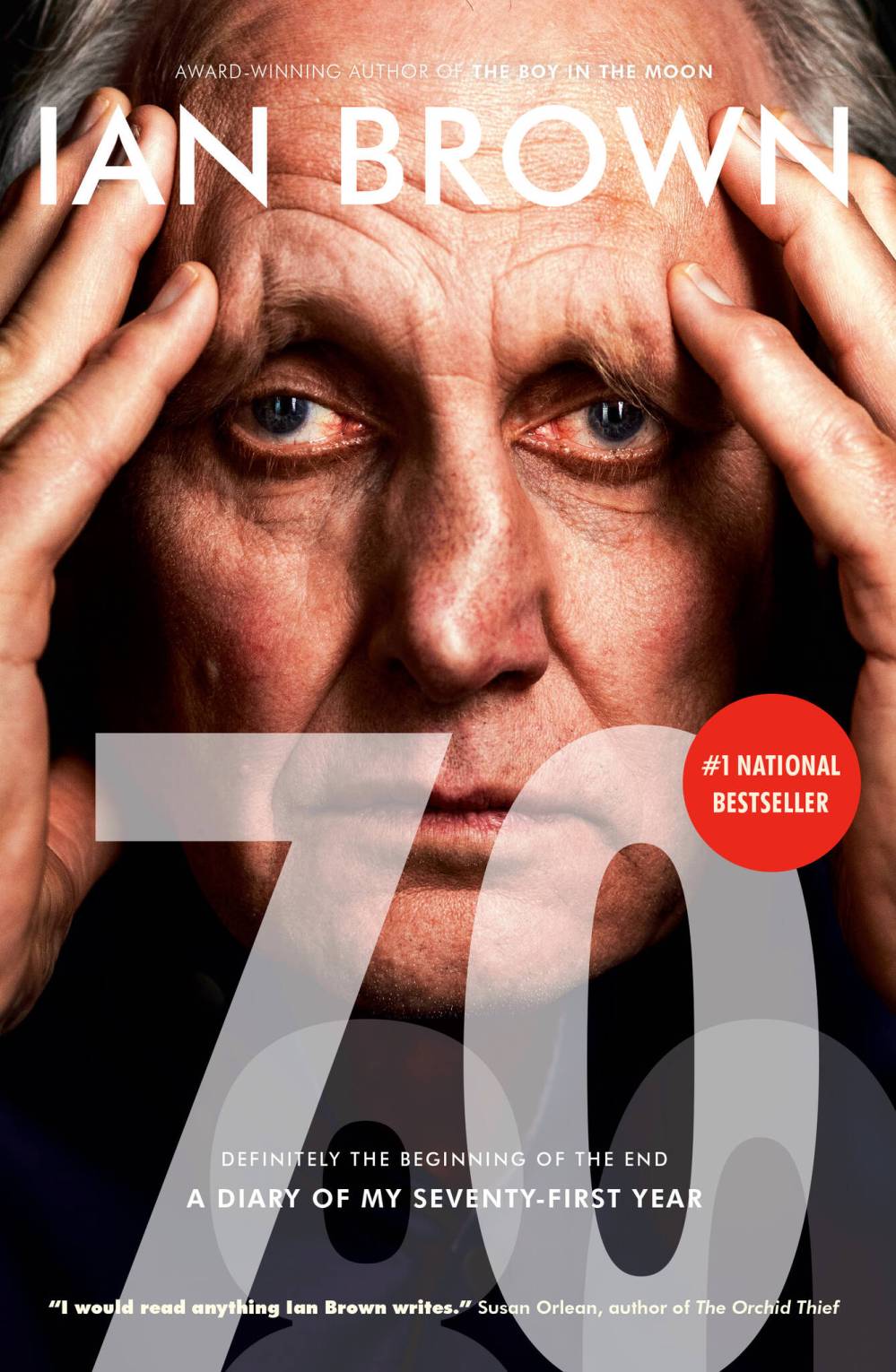
Seventy
Brown is definitely not a typical septuagenarian. Not yet retired, he travels extensively, has a wide circle of friends with whom he stays in regular contact, bikes to work year-round, swims in the ocean, golfs, plays pickleball, rows and skis. And not just downhill skiing, but heli-skis — helicoptering into remote areas of the B.C. Rockies to blaze new trails.
If, as influencers tell us, “70 is the new 50,” then Brown would seem to be their perfect poster boy — or poster geezer.
Signs of aging do trouble him, however. He needs hearing aids and his hair is thinning. He has “more wrinkles than a Shar Pei.” He naps, he farts, he gets distracted, he has no ass. He gets distracted, he’s forgetful.
Most tellingly, he’s anxious — he worries a lot.
The year the diary spans is 2024. So Brown worries a lot about Donald Trump, the “orange extortionist” who is running for the U.S. presidency. To find out the political views of the American electorate, Brown takes a bus trip through the U.S. from west to east in the mid-summer run-up to the election.
His diary entries are despairing. Among his conclusions: Trump has allowed Americans “to be as mad as they want to be.”
On another assignment for the Globe he investigates artificial intelligence (AI). As part of the investigation Brown joins the online Project December, which creates “griefbots and AI avatars of the dead,” and arranges a conversation with his long-dead mother.
Their interaction is a complete failure. The algorithm “mom” constantly aims to please — not at all like his real mom. For Brown AI is worrisome, but has its limitations.
As for the bigger, existential question at the heart of the book — the inevitable, steady decline into decrepitude — Brown brings to bear all the tools in his journalistic toolbox.
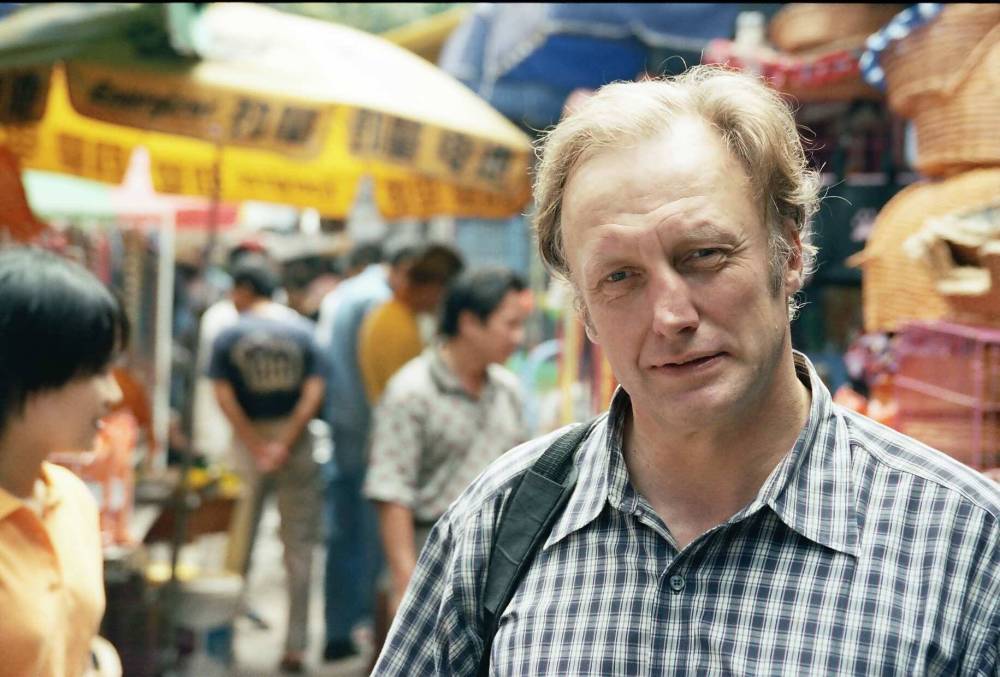
John Barber photo
Ian Brown’s new book has fewer surprises than its acclaimed predecessor, Sixty, but still finds the author writing at the peak of his powers.

At 70 he still reads widely on aging and shares his findings. He observes other oldsters for models of encouragement. He questions experts. He ponders and speculates. His musings on fragility, on friendship, on climate change, on writing and on so many things are relevant beyond fellow older men.
What results is a pleasing compendium of engaging reflections on life in the second decade of the 21st century presented by a thoughtful, witty, self-deprecating “older” guy.
So, an alternate subtitle to this could be A Portrait of the Artist as an Older Man. It may not be in the same league as James Joyce’s classic novel, but it’s equally as ambitious. Brown is still hoping to write books that have an impact, that matter. A diary may seem an odd kind of book to accomplish this — or perhaps not.
Seventy loses a bit of steam later in the year he’s chronicling, but it’s polished and well-crafted, a frank, fearless and flavourful diary.
Gene Walz is a Winnipeg writer who looks back nostalgically at his seventieth year.