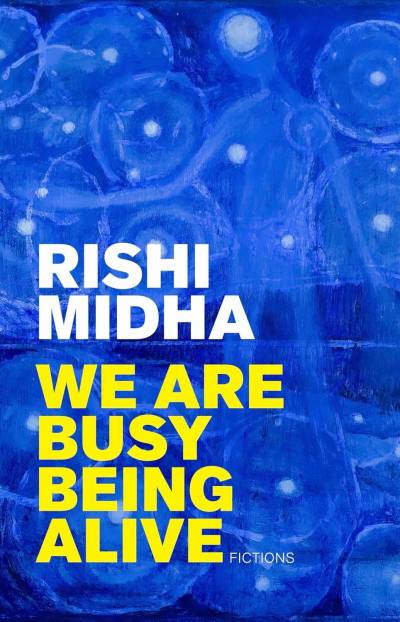
Young disillusioned characters yearn for connection in collection of stories
Advertisement
Read this article for free:
or
Already have an account? Log in here »
To continue reading, please subscribe:

Digital Subscription
One year of digital access for only $205*
- Enjoy unlimited reading on winnipegfreepress.com
- Read the E-Edition, our digital replica newspaper
- Access News Break, our award-winning app
- Play interactive puzzles
*First annual payment billed as $205.00 + GST for one year. This annual subscription will automatically renew at $233.00 + GST every 52 weeks (10% off the regular annual price of $259.35). Offer available to new and qualified returning subscribers only. Cancel any time.
To continue reading, please subscribe:
Add Free Press access to your Brandon Sun subscription for only an additional
$1 for the first 4 weeks*
- Enjoy unlimited reading on winnipegfreepress.com
- Read the E-Edition, our digital replica newspaper
- Access News Break, our award-winning app
- Play interactive puzzles
*Your next Brandon Sun subscription payment will increase by $1.00 and you will be charged $17.95 plus GST for four weeks. After four weeks, your payment will increase to $24.95 plus GST every four weeks.
Read unlimited articles for free today:
or
Already have an account? Log in here »
We Are Busy Being Alive, the debut collection of stories (styled as “fictions”) by Toronto-based Rishi Midha, deals with the much-discussed alienation of the current tech-dominated younger generation of, as one critic put it, “older Gen Z and tail-end Millenials.” In most of these ambitious stories, detachment is the often-used word to describe what Midha attempts, with limited success, to convey for his generation what Henry David Thoreau called “quiet desperation.”
This restless quavering is true of every generation. Unfortunately Midha’s primary concentration on politically correct tormented liberal Torontonians doesn’t provide enough poetic force or emotional personal insight to connect or enlighten the reader to their problems. At their best, several of the stories are engaging even if they seem a touch overfamiliar.
Stories of Dry Land charts, in almost memo-like fashion, a relationship which inevitably fails through the mutual growing absence of its not-quite-passionate-enough protagonists. Almost a positive echo to it is the middle-aged remembrance of a happy deepening love in You’ll Remember It Well, told shrewdly in the second person and ending with the lovely image: “You’ll tread gently along tall fences at the perimeter of a feeling. You’ll remember it well.”
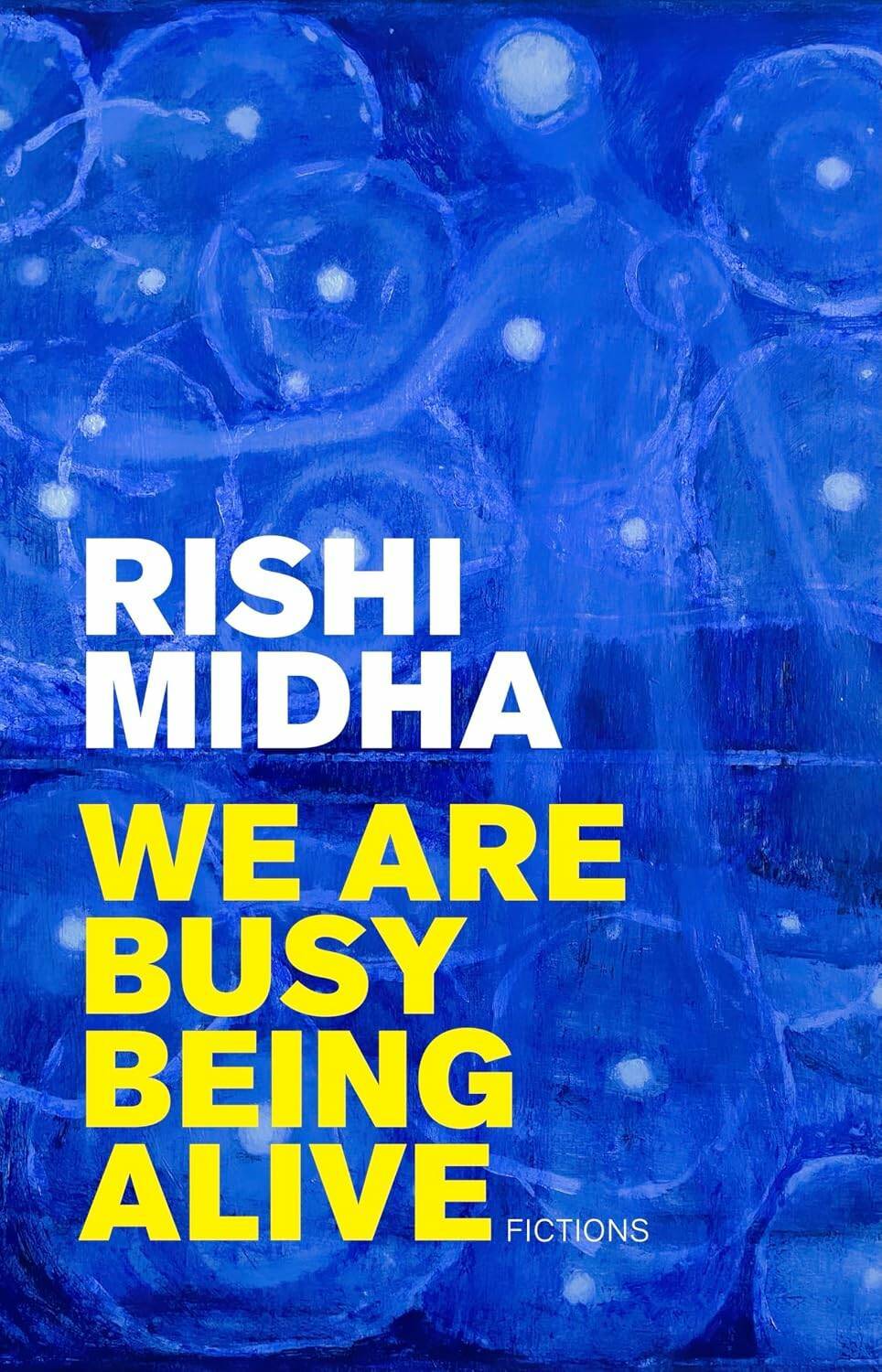
We Are Busy Being Alive
In Sports Day, messed-up Andrew spends time with his AI female companion. Whether Midha means it or not — one suspects he doesn’t — there’s a nostalgic feeling to the story’s AI premise which is reminiscent of many old sci-fi stories, but now is an unfortunate reality. Andrew’s decision to embrace humanity (his “crash course on what it means to be alive”) doesn’t exactly spoil the story’s breezy, creepy charm, but is indicative of Midha’s too-often reliance on what comes across as a sentimental choice for his characters.
This is most pronounced in The Great Deletion, which brings together the book’s underlying theme of generational alienation with global tech domination. The first-person narrator relates his experience of working for a company creating an ever-increasing maw of databases which are used as a competitive device to rid the company, and by extension society, of human workers.
The narrator is increasingly successful in this soulless operation led by a seemingly tough robot-like woman until he comes upon her playing a violin. “(T)he swaying of her shoulders to the melancholic tune suggested an intimate familiarity. Her execution was flawless,” Midha writes.
The narrator imagines himself in a concert hall, a human space beyond the confines of the tech world he and his generation are stuck in. Eventually, as the database entity goes too far for him, he quits, although keeps in touch with others who have databases from the company. Through this exchange, he wonders if the intimacy of the company’s beginnings could be re-created, a “flimsy thread of purpose… before getting swallowed into a sea of never-ending noise.”
The story’s Hollywoodish simplicity isn’t inspiring. For example, what if the hard-ass boss liked guns instead of music? Midha lets his supposedly tormented young professionals (YPs, as the story calls them) off the hook far too often throughout the collection. They always choose flawed humanity over tech, which is fine, but the author’s sentimental choices are hard to take, reducing what could be interesting conflict into easy conclusions.

There’s a lot to like in the poetry of personal reminiscence and broken love Midha offers. But despite his clear talent as a storyteller, his characters always ending up on the supposed right side can become tedious. A wrong choice might be worth a try.
Rory Runnells is a Winnipeg writer.