An archive of grief
Huyghebaert longs to learn about her late father in fascinating fragments
Advertisement
Read this article for free:
or
Already have an account? Log in here »
To continue reading, please subscribe:

Digital Subscription
One year of digital access for only $205*
- Enjoy unlimited reading on winnipegfreepress.com
- Read the E-Edition, our digital replica newspaper
- Access News Break, our award-winning app
- Play interactive puzzles
*First annual payment billed as $205.00 + GST for one year. This annual subscription will automatically renew at $233.00 + GST every 52 weeks (10% off the regular annual price of $259.35). Offer available to new and qualified returning subscribers only. Cancel any time.
To continue reading, please subscribe:
Add Free Press access to your Brandon Sun subscription for only an additional
$1 for the first 4 weeks*
- Enjoy unlimited reading on winnipegfreepress.com
- Read the E-Edition, our digital replica newspaper
- Access News Break, our award-winning app
- Play interactive puzzles
*Your next Brandon Sun subscription payment will increase by $1.00 and you will be charged $17.95 plus GST for four weeks. After four weeks, your payment will increase to $24.95 plus GST every four weeks.
Read unlimited articles for free today:
or
Already have an account? Log in here »
Hey there, time traveller!
This article was published 25/06/2022 (1499 days ago), so information in it may no longer be current.
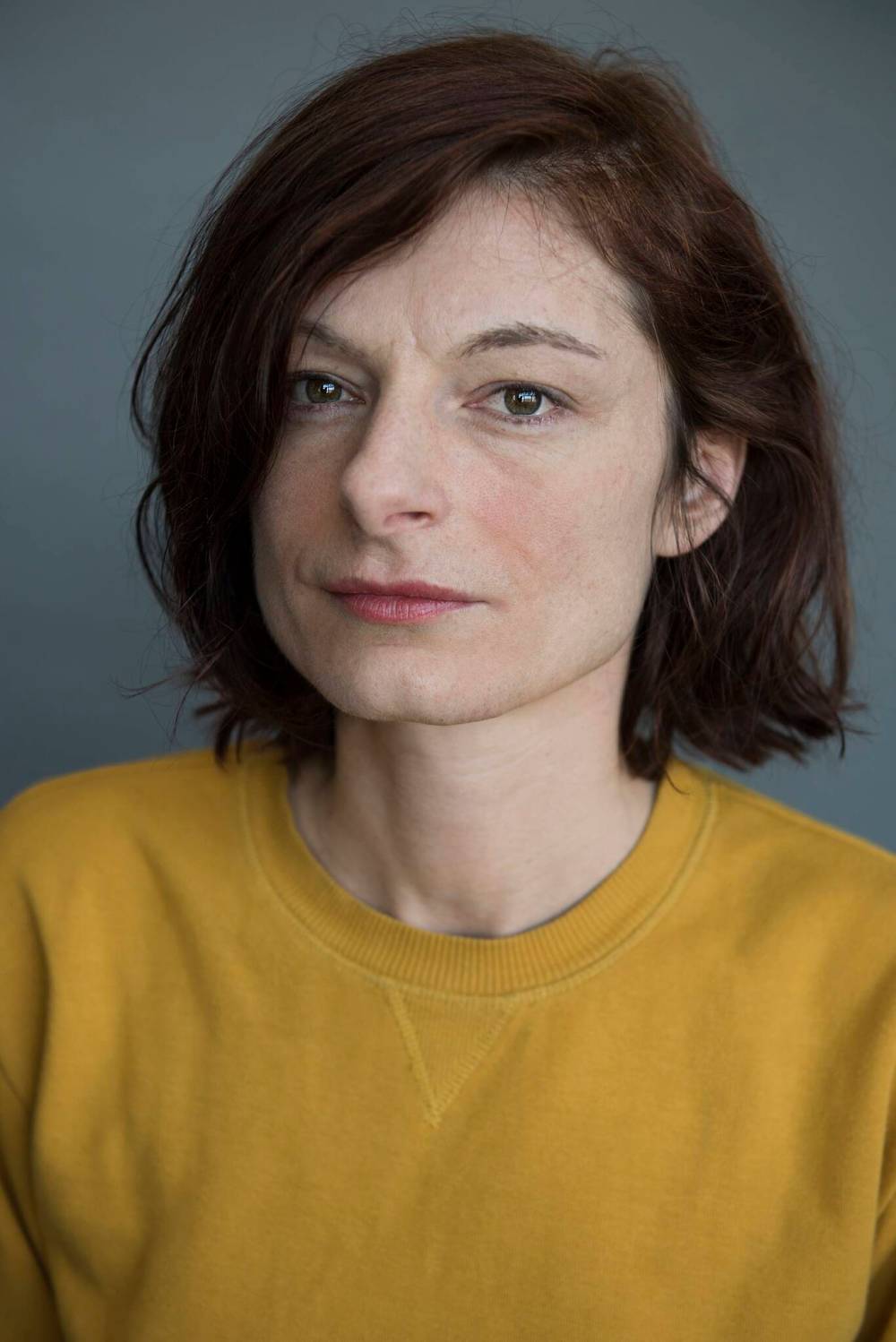
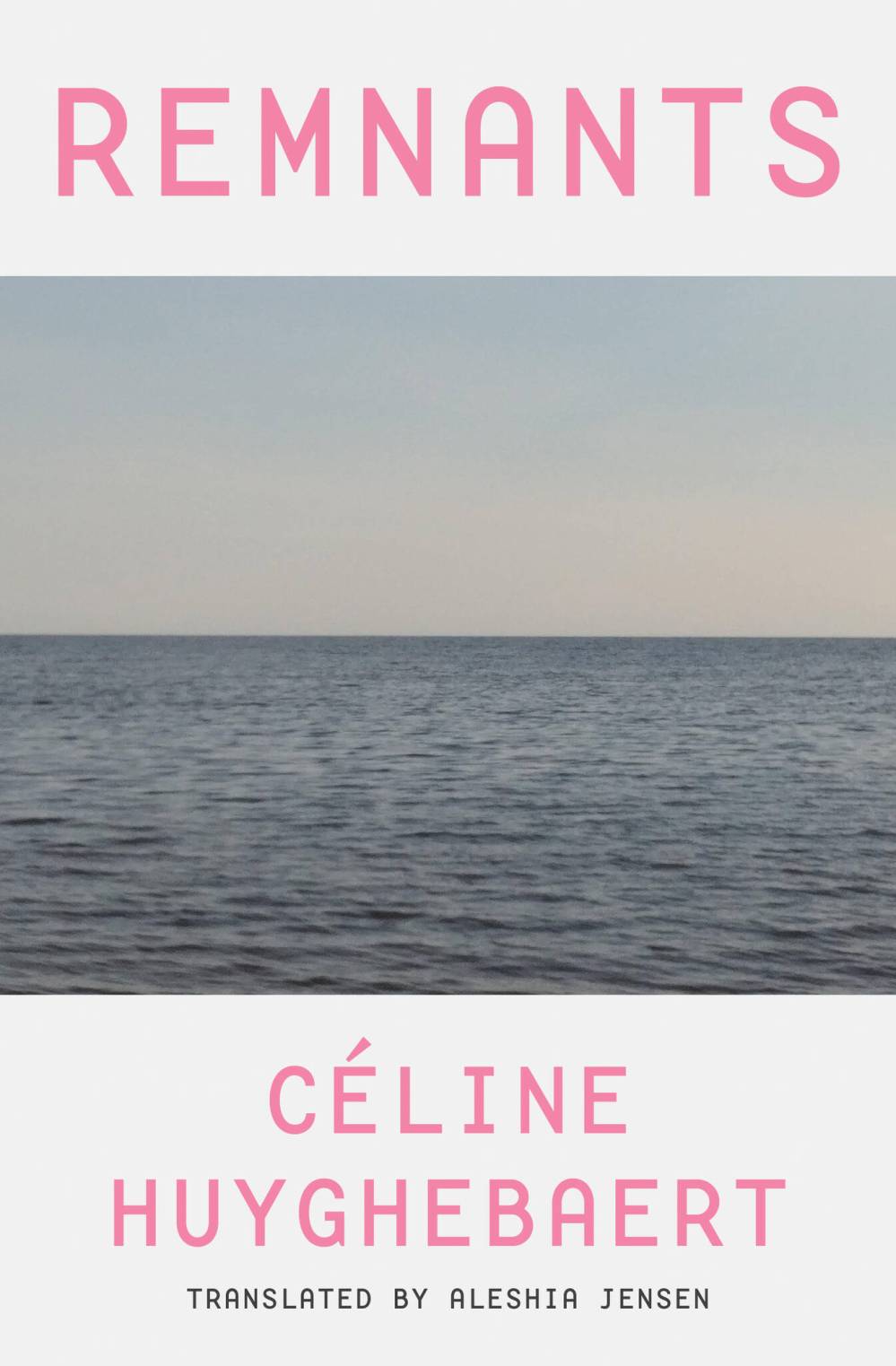
Remnants, by visual artist and author Céline Huyghebaert, is the newest offering of Book*hug Press’s Literature in Translation Series. First published as Le drap blanc by Montreal’s Le Quartanier, the autofiction novel was winner of the French-language Governor General’s Award for Fiction in 2019.
Now available to an English-reading audience (translated by Aleshia Jensen), Remnants is a novel-in-archives, an account of Céline Huyghebaert’s father’s life and sudden death through her first-person narrations, dream diary entries, photographs from family albums and flea markets, resonant quotations from artists and authors, reported scenes, multi-edited interviews with family members, dialogues, handwriting analysis, Vital Statistics correspondence, lists of belongings, lists of intentions — all culminating in a moving, imagined scene between Huyghebaert and her father, narrated from his perspective.
The conflicting accounts by family members both willing and unwilling to discuss the life of Huyghebaert’s father, a stoic soixante-huitard (participant in the French demonstrations of May 1968), conjure up an image of a difficult childhood in rural France, in which the farm family endured much death, loss and hardship — possibly due to unregulated pesticide use, Huyghebaert muses, possibly due to normalized alcohol consumption, many more purport — their interactions marked by emotional silence, young pregnancies and gruelling outdoor work.
Haunting the novel are Huyghebaert’s grief and regret at not being present when her father died; she was mid-flight from Montreal to Paris and didn’t make it in time.
She resents the stigma associated with cirrhosis as a diagnosis and sometimes says cancer instead for his cause of death. She longs to remember him through objects, photos, “anecdotes, but essential ones.” She wants to know why she couldn’t stand to spend more than two hours at a time with him. She wants to know if he had a happy life.
Interspersed throughout the novel are references to various artists and authors who use experimental form and narrative style to expose the complicated nature of truth in storytelling, where an imagined scene and a fact-based account are equally capable of revealing truths about an enigmatic figure: recurring images of Magritte’s faces; Nathalie Léger’s questioning of telling a story simply in Suite for Barbara Loden; as well as pertinent quotations from Marguerite Dumas, Marie Darrieussecq, Clarise Lispector, Ryoko Sekiguchi and Sophie Calle.
A standout, transformative section of the novel is the nine psychological profiles that reveal — ironically, profoundly — commensurately truthful statements about Huyghebaert’s father despite the respondents’ not knowing him personally at all.
Their answers and insights are entirely filtered through their connection to Huyghebaert — what she has told them about her father, what they remember of what she has said — which is then also filtered through their own experiences and memories of grief.
To the question, Did he have a happy life?, one respondent replies with striking perception: “I don’t know. I’m worried the answer might be no. And that it’s the answer you’re looking for in writing this book.”
Indeed, a preoccupation of Huyghabaert’s is the notion of a happy life. She questions the compulsion of archival photos to document happiness — weddings, birthdays, vacations — but not sadness: “If we can step away from the feeling of joy for a moment to record it, couldn’t we do the same for sadness? Couldn’t we pause it for the time it takes to snap a photo?”
Remnants triumphs as a novel-length’s pause on sadness, an archival record of silences, missed opportunities, grief — it is an inventive, intelligent, loving assemblage that unleashes the possibilities and potential of an archived life.
Sara Harms is an editor in Winnipeg, Treaty 1 territory.