Oscar who?
Viewers tune out as Academy Awards become more about business, less about show
Advertisement
Read this article for free:
or
Already have an account? Log in here »
To continue reading, please subscribe:

Digital Subscription
One year of digital access for only $205*
- Enjoy unlimited reading on winnipegfreepress.com
- Read the E-Edition, our digital replica newspaper
- Access News Break, our award-winning app
- Play interactive puzzles
*First annual payment billed as $205.00 + GST for one year. This annual subscription will automatically renew at $233.00 + GST every 52 weeks (10% off the regular annual price of $259.35). Offer available to new and qualified returning subscribers only. Cancel any time.
To continue reading, please subscribe:
Add Free Press access to your Brandon Sun subscription for only an additional
$1 for the first 4 weeks*
- Enjoy unlimited reading on winnipegfreepress.com
- Read the E-Edition, our digital replica newspaper
- Access News Break, our award-winning app
- Play interactive puzzles
*Your next Brandon Sun subscription payment will increase by $1.00 and you will be charged $17.95 plus GST for four weeks. After four weeks, your payment will increase to $24.95 plus GST every four weeks.
Read unlimited articles for free today:
or
Already have an account? Log in here »
Hey there, time traveller!
This article was published 26/02/2012 (5336 days ago), so information in it may no longer be current.
Ratings are down and the age of the average viewer continues to rise. In Hollywood, that’s normally a terminal diagnosis, guaranteed to prompt a “pull the plug” order from accounting. Unless, of course, your name is Oscar, in which case you can rattle around on life support longer than a dead parrot in a Monty Python sketch.
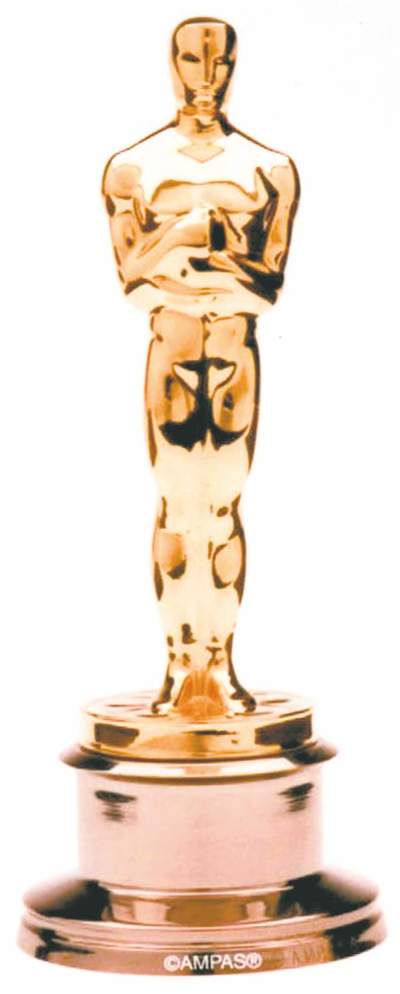
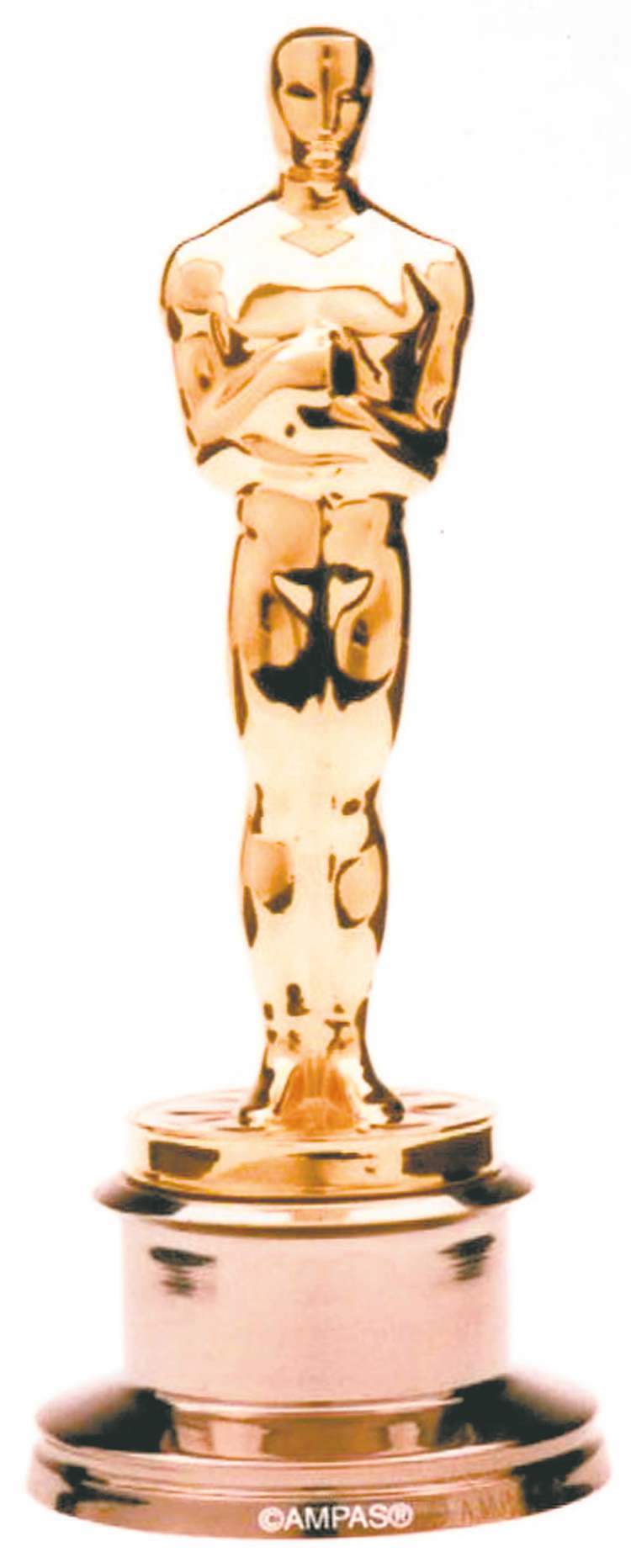
No one has declared Oscar dead yet, but his little gold body seems to grow ever more ghostly with each passing year.
Once the juggernaut of television broadcasting, Oscar viewership continues to slide. Last year’s show had the second smallest audience in Oscar history, with a paltry 37.9 million viewers tuning in to watch James Franco and Anne Hathaway stare into the cameras with youthful aloofness.
The 2011 broadcast marked a 23 per cent decline in audience from a decade previous, affirming a disturbing trend for the once-hallowed Hollywood soiree: The planet’s population keeps growing, but the number of people willing to watch celebrity backslapping shrinks annually.
The median age of the average Oscar viewer is now over 50, up from 44 just 10 years ago.
Producers for the Academy Awards are trying to attract the next generation with a series of new interactive apps for the iPhone and iPad, but if their last experiment with age-targeted hosts was any indication, the apps can’t save Oscar.
And maybe nothing will, because everything that once made the show so special has been paved over in an attempt to make it more profitable.
From a shorter running time to an exhaustive list of best picture contenders, the new strategies to make Oscar better only seem to be making it worse, if only because they strip away the cinematic magic.
For people who remember the golden era of Oscar, those rarefied decades between the first colour broadcast in 1966 and the beginning of the downward spiral in the 1980s, the broadcast felt like nothing else on television.
Because there was nothing else like it on television. The Emmys and the Grammys were big deals, but they didn’t have movie stars. Only the Oscars could boast the best guest list in town, and outside of the Golden Globes, it was the only shindig in showbiz.
Oscar always had the edge on the competition because of its storied history that dates back to 1929, and a private producers party at the Hollywood Roosevelt Hotel where guests paid $5 for admission to the Blossom Ballroom. Yet, these days, it seems to coast on its own coattails, believing people will tune in out of habit and obligation when the show actually grows more boring each year.
Back in the glory days, the Oscar telecast was considered the most exciting night of television because you didn’t know what was going to happen. Sure, there was the drama of the actual prizes and who got what, but the real attraction had nothing to do with the box scores. It was about the acceptance speeches, the gaffes and impromptu banter.
Whether it was Sally Field’s “You like me, you really like me” moment or Elizabeth Taylor’s unstoppable giggle fit, the evening afforded the Everyman a glimpse of celebrity without the disguise.
People would talk about their movies, their work and their passion with unmistakable spontaneity and it was electric. Now, every acceptance speech sounds like a recitation of the Greater Los Angeles phone book, with every winner thanking dozens of agents or producers whose names mean absolutely nothing to the millions watching.
This is where the show grinds to an emotional and dramatic standstill, because it’s one anticlimax after another as the victorious stand and deliver an interminable list of names. The only people who offer up interesting speeches anymore are the foreign filmmakers and documentarians, who still believe it’s worthwhile to say something important to the largest TV audience in the world.
Everyone else is just doing business: thanking the suits who put their star on the dressing room door.
Show producers say the speeches will be limited this year in order to keep the show to a three-hour running time, but this eye on the clock seems a little counter-productive, too. The best Oscar shows ran long because they were full of unexpected moments, with the longest broadcast ever in 2002 running four hours and 17 minutes in the hands of host Whoopi Goldberg.
What’s wrong with long? We all sit through four hours of Super Bowl coverage without complaining, and they don’t even have costume changes.
So now we have an aging Billy Crystal bathing in hair dye in preparation for the big night. And while Crystal was one of the better Oscar hosts in history, his presence won’t do much for that elusive youth demographic: Today’s teens were born after City Slickers.
This year can’t even boast bizarre song and dance numbers because only two songs were nominated for best song of the year: Man or Muppet (from The Muppets) and Real in Rio (from Rio). They’re great songs, but they won’t be performed live, and really, what’s a show without, like, a show?
Contrast the dearth of music to the dump truck full of best picture nominees. Including such disposable titles as War Horse, The Help and Extremely Loud & Incredibly Close in this year’s crop of hopefuls — while ignoring excellent films such as Take Shelter and Martha Marcy May Marlene — tarnishes the Oscar shine even further.

The Academy of Motion Picture Arts and Sciences (AMPAS) explains the longer list as a nod to membership taste: “Academy members had regularly shown a strong admiration for more than five movies,” said AMPAS executive director Bruce Davis.
That may well be the case, but nine so-so titles are a lot less glamorous than five star-studded standouts. The truth is, it’s more profitable for everyone to have a longer list of contenders because each Oscar campaign represents several hundred-thousand dollars in ad revenue.
Indeed, everything about Oscar has been mined for money because Hollywood has forgotten how to dream. Ever since the accountants took over the reins in the wake of corporate acquisition in the late ’70s, show business has become more about business and less about show. But without the show, who cares about the business?
— Postmedia News


Advertisement Advertise With Us
Advertisement Advertise With Us