Bond a boozer: study
Experts say 007 has drinking problem
Advertisement
Read this article for free:
or
Already have an account? Log in here »
To continue reading, please subscribe:

Digital Subscription
One year of digital access for only $205*
- Enjoy unlimited reading on winnipegfreepress.com
- Read the E-Edition, our digital replica newspaper
- Access News Break, our award-winning app
- Play interactive puzzles
*First annual payment billed as $205.00 + GST for one year. This annual subscription will automatically renew at $233.00 + GST every 52 weeks (10% off the regular annual price of $259.35). Offer available to new and qualified returning subscribers only. Cancel any time.
To continue reading, please subscribe:
Add Free Press access to your Brandon Sun subscription for only an additional
$1 for the first 4 weeks*
- Enjoy unlimited reading on winnipegfreepress.com
- Read the E-Edition, our digital replica newspaper
- Access News Break, our award-winning app
- Play interactive puzzles
*Your next Brandon Sun subscription payment will increase by $1.00 and you will be charged $17.95 plus GST for four weeks. After four weeks, your payment will increase to $24.95 plus GST every four weeks.
Read unlimited articles for free today:
or
Already have an account? Log in here »
Hey there, time traveller!
This article was published 14/12/2018 (2801 days ago), so information in it may no longer be current.
Dry martini.
Lemon peel.
Shaken — not stirred.
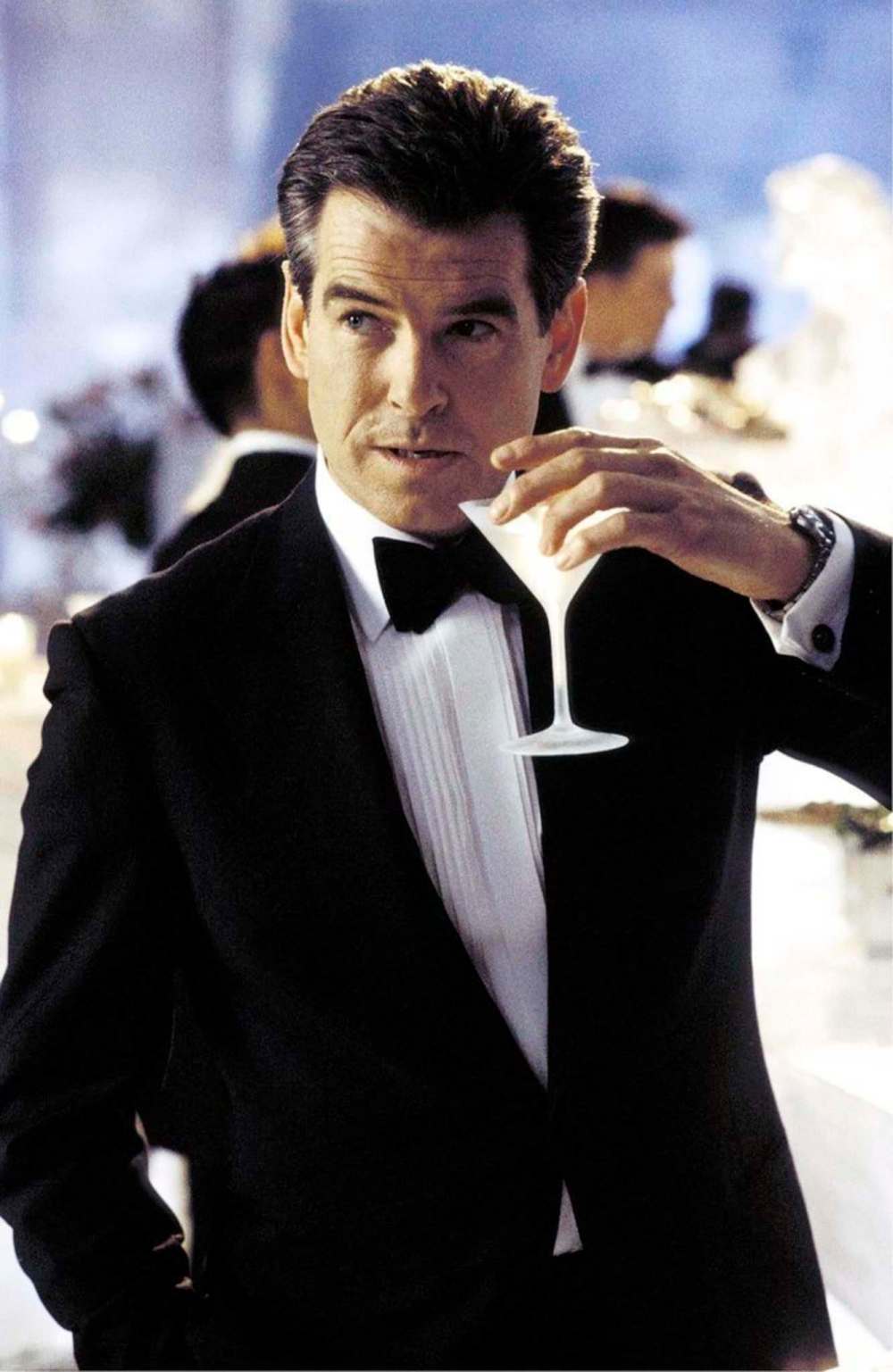
James Bond is unmistakably known for that cocktail and a variant, the Vesper.
But the fictional British Secret Service agent was no stranger to other drinks, including celebratory champagne and even the occasional beer. In fact, in two dozen movies over the past six decades, Bond — James Bond — was seen sipping on alcohol precisely 109 times, according to a new study published in the Medical Journal of Australia.
Public health experts at the University of Otago in New Zealand analyzed Bond films from 1962 to 2015 to better understand his patterns of alcohol use.
Their findings? Bond had a “severe” and “chronic” drinking problem — and he performed some pretty risky manoeuvres while under the influence of alcohol.
“Chronic risks include frequently drinking prior to fights, driving vehicles (including in chases), high stakes gambling, operating complex machinery or devices, contact with dangerous animals, extreme athletic performance and sex with enemies, sometimes with guns or knives in the bed,” lead author Nick Wilson said in a statement.
The study, entitled Licence to swill: James Bond’s drinking over six decades, won joint first place in the Medical Journal of Australia’s Christmas competition.
Wilson, the lead author of the study, said in an email to the Washington Post that the Bond movies are “very good for studying trends in behaviours such as smoking and drinking.” He added that “it was also a fun study to do — and the ridiculousness of some of Bond’s actions after drinking helped give the work some scope for a laugh.”
The study found that the British spy met more than half of the criteria for alcohol-use disorder as defined by the American Psychiatric Association’s DSM-5 classification system for mental disorders.
In one film, 2008’s Quantum of Solace, Bond consumed at least six Vespers, his concoction consisting of gin, vodka and a blend of wines called Kina Lillet. That amount of alcohol, according to the researchers, would have raised Bond’s blood alcohol level to an estimated 0.36 grams per deciliter — almost high enough to cause a coma, heart failure or even death.
But that drinking incident, the researchers noted, doesn’t even compare with one instance in a Bond book, in which 007 consumed 50 units of alcohol in a single day — “a level of consumption which would kill nearly everyone,” according to Wilson, a public health professor at the University of Otago at Wellington.
It’s not the first time researchers have analyzed Bond’s bad habit. A 2013 study published in the British Medical Journal found that 007’s alcohol intake in the books put him “at high risk of multiple alcohol-related diseases and an early death” and noted that his ability to function “is inconsistent with the physical, mental and indeed sexual functioning expected from someone drinking this much alcohol.”
And it seems that even Bond is not immune to the consequences of alcoholism.
In 2002’s Die Another Day, a medical professional conducting a body scan on Bond alluded to an alcohol-induced health issue, saying: “Liver not too good.”
“It’s definitely him then,” someone replied.
The New Zealand researchers wrote in the recent study that Bond should seek professional help.
But they also offered some suggestions to help minimize “his risks in the short term”:
● Avoid alcohol on the job — especially when taking on “complex tasks, including aerial combat in helicopter gunships and deactivation of nuclear weapons,” which “are best done with a zero blood-alcohol level.”
● Avoid drinking with sexual partners “who may want to disable, capture or kill him.”
● Find other interests, for example, “his nascent interests in lepidopterology (study of moths and butterflies) revealed when commenting expertly on M’s collection.”
They also had a suggestion for Bond’s boss.
“Bond’s workplace (MI6) should be a more responsible employer by referring him to work-funded counselling or psychiatric support services for managing his alcohol-use disorder,” according to the study.
“These services should also determine whether he has any post-traumatic stress after killing so many people and having been tortured so often.”
— Washington Post