More than bricks go into making The Wall a rock spectacle
Advertisement
Read this article for free:
or
Already have an account? Log in here »
To continue reading, please subscribe:

Digital Subscription
One year of digital access for only $205*
- Enjoy unlimited reading on winnipegfreepress.com
- Read the E-Edition, our digital replica newspaper
- Access News Break, our award-winning app
- Play interactive puzzles
*First annual payment billed as $205.00 + GST for one year. This annual subscription will automatically renew at $233.00 + GST every 52 weeks (10% off the regular annual price of $259.35). Offer available to new and qualified returning subscribers only. Cancel any time.
To continue reading, please subscribe:
Add Free Press access to your Brandon Sun subscription for only an additional
$1 for the first 4 weeks*
- Enjoy unlimited reading on winnipegfreepress.com
- Read the E-Edition, our digital replica newspaper
- Access News Break, our award-winning app
- Play interactive puzzles
*Your next Brandon Sun subscription payment will increase by $1.00 and you will be charged $17.95 plus GST for four weeks. After four weeks, your payment will increase to $24.95 plus GST every four weeks.
Read unlimited articles for free today:
or
Already have an account? Log in here »
Hey there, time traveller!
This article was published 26/05/2012 (5191 days ago), so information in it may no longer be current.
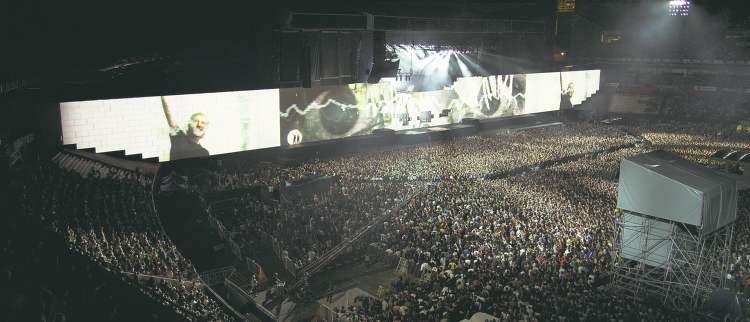
The Wall is arguably one of the most depressing rock operas of all time, but live, The Wall is one of the most spectacular arena-rock productions ever staged.
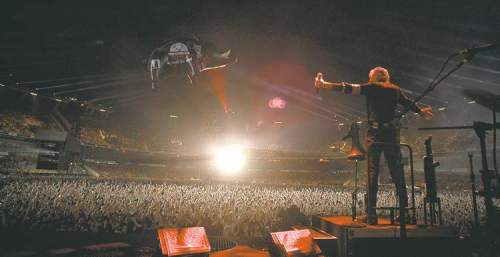
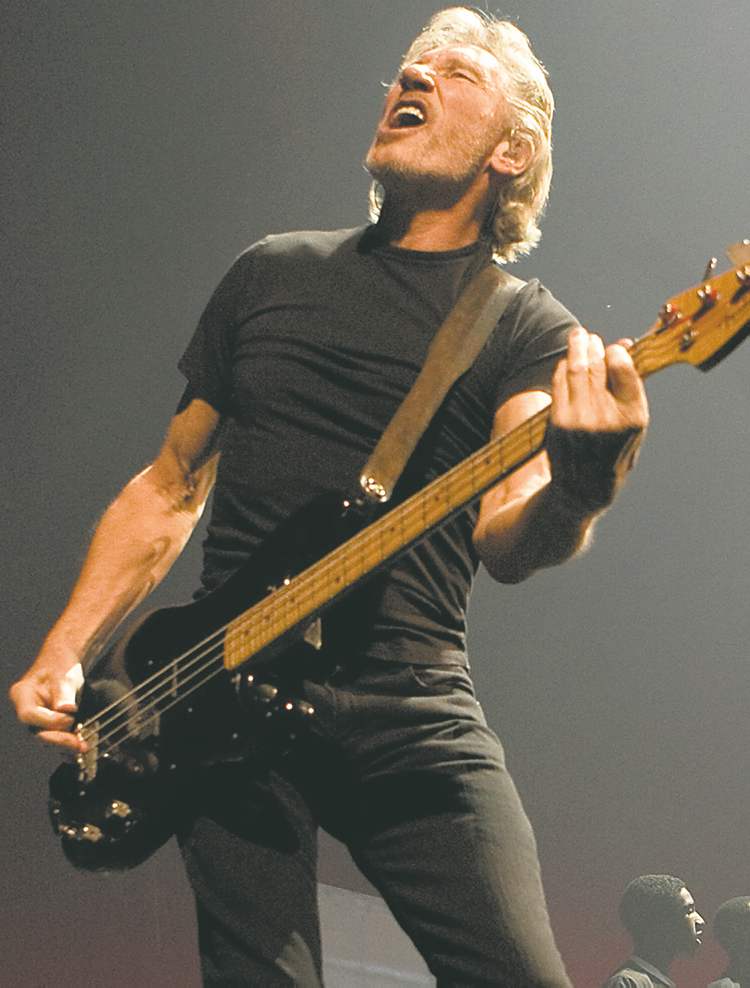
When the double Pink Floyd album was released in 1979, the British rock band staged one of the most ambitious shows ever for its time, with a giant wall erected and dismantled on stage, huge inflatable characters and animated projection sequences that helped tell vocalist-bassist Roger Waters’ semi-autobiographical tale about his troubled childhood with an overbearing mother, cruel teachers and the death of his father; loneliness; infidelity; and egomania.
The concerts were initially going to be used as footage for a film, according to animator Gerald Scarfe’s 2010 book The Making of Pink Floyd The Wall, but plans changed. Instead, a movie starring Bob Geldof as the troubled character Pink was released in 1982 without any live footage.
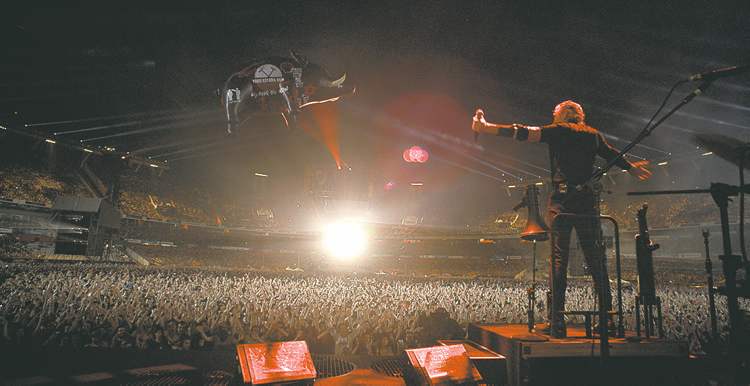
Due to the complexity of staging The Wall concerts, the initial tour only consisted of 31 shows in Los Angeles, New York, London, England and Dortmund, Germany. By comparison, the current tour played 56 shows in North America in 2010 and has been on the road ever since, making its way throughout Europe, Australia, New Zealand and South America.
Waters will bring The Wall to Winnipeg for two nights Thursday and Friday at the MTS Centre. Thursday’s show is sold out, but as of press time, tickets were still available for Friday’s concert.
What can we expect? How about this:
“Virtual bombers dropping payloads of crucifixes, Stars of David, and McDonald’s logos on impoverished landscapes; biographies from across the last century of dead soldiers superimposed on the same massive, white brick wall; an enormous, inflatable praying mantis vixen suspended from the rafters, flames for hair and saw blades for arms, both impressive and slightly misogynistic: These are just a handful of the relentless onslaught of words, images, sounds, deco, conflict, resolve, and money Roger Waters’ disciples were assaulted with…” Luke Winkie of the Austin Chronicle wrote about the May 3 show at the Frank Erwin Center in Austin, Texas.
Between the initial concerts and 2010, The Wall was only performed by Waters once in 1990 to commemorate the falling of the Berlin Wall.
He addressed the return of The Wall concerts in the show’s original 2010 tour program in an introduction titled Why am I Doing The Wall Again Now?
“Thirty years ago when I wrote The Wall, I was a frightened young man. Well, not that young. I was 36 years old.
“It took me a long time to get over my fears. Anyway, in the intervening years it has occurred to me that maybe the story of my fear and loss, with its concomitant inevitable residue of ridicule, shame and punishment, provides an allegory for broader concerns: nationalism, racism, sexism, religion, whatever! All these issues and -isms are driven by the same fears that drove my young life.
“This new production of The Wall is an attempt to draw some comparisons, to illuminate our current predicament and is dedicated to all the innocent lost in the intervening years.”
The current multi-media show uses cutting-edge production techniques and a greater anti-conflict emphasis, but retains the original ideas from the first shows.
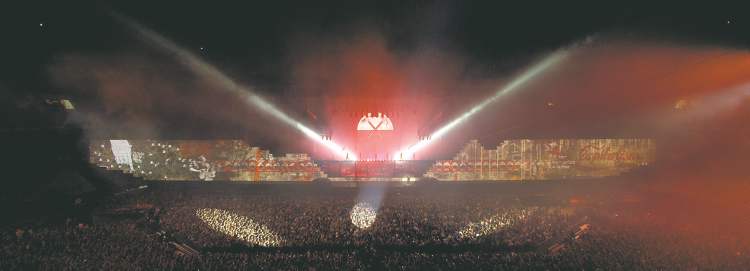
Here’s a look at some of the stats for The Wall’s arena production:
Length, width of wall: 73 metres wide, 11 metres high, 45 centimetres deep.
Number of bricks in wall: 424
Number placed in show: 242
Number used in tour (all bricks are from recycled sources, and will be re-recycled after use): 3,000
Build time (i.e. length of time from placing first brick to placing last brick): 45 minutes
Number of touring wall builders: 12 touring crew, eight local
Number of electric motors in all stage machines: 47
Number of control axes for wall building: 20
Length of all electric cables including lighting and sound and power: Over 30,480 metres (over 30 kilometres)
Number of speakers: 172, including subs, surrounds and monitors.
Number of moving lights: 82
Number of projectors: 23
Diameter of circular screen: Nine metres
Length/width of wall projection: 74 metres wide by 7.5 metres high
Number of control desks: 12
Length of truss/tracking truss: 463 metres
Number of scenery carts: 140
Number/size of inflatables: Teacher, nine metres high; wife, nine metres high; mother, 10 metres high
Weight of all rigged scenery: 55 tonnes total rigging to roof
Weight of all floor stuff: 57 tonnes
Number of trucks: 21

Amount of power required to run show: 3,000 amps
Total number of touring crew: 66 (excluding 18-member band party)
Number of tour buses: Six
Number of local crew: 80
rob.williams@freepress.mb.ca
Advertisement Advertise With Us
Advertisement Advertise With Us