New music
Reviews of this week's CD releases
Advertisement
Read this article for free:
or
Already have an account? Log in here »
To continue reading, please subscribe:

Digital Subscription
One year of digital access for only $205*
- Enjoy unlimited reading on winnipegfreepress.com
- Read the E-Edition, our digital replica newspaper
- Access News Break, our award-winning app
- Play interactive puzzles
*First annual payment billed as $205.00 + GST for one year. This annual subscription will automatically renew at $233.00 + GST every 52 weeks (10% off the regular annual price of $259.35). Offer available to new and qualified returning subscribers only. Cancel any time.
To continue reading, please subscribe:
Add Free Press access to your Brandon Sun subscription for only an additional
$1 for the first 4 weeks*
- Enjoy unlimited reading on winnipegfreepress.com
- Read the E-Edition, our digital replica newspaper
- Access News Break, our award-winning app
- Play interactive puzzles
*Your next Brandon Sun subscription payment will increase by $1.00 and you will be charged $17.95 plus GST for four weeks. After four weeks, your payment will increase to $24.95 plus GST every four weeks.
Read unlimited articles for free today:
or
Already have an account? Log in here »
Hey there, time traveller!
This article was published 14/11/2019 (2474 days ago), so information in it may no longer be current.
POP / ROCK
Patrick Watson
Wave (Secret City)
Patrick Watson’s sixth studio recording is an achingly beautiful album, with emphasis on the ache. Wave was written and recorded following Watson’s mother’s death, his separation from his long-term partner and his drummer leaving the band — but don’t mistake “ache” for sadness. Yes, there is melancholy in these relatively spare, evocative songs but, rather than wallowing deeply in anguish and noisily exorcising his pain, as so many others have done, Watson has chosen reflective rumination and hopeful contemplation as this record’s tone and path.
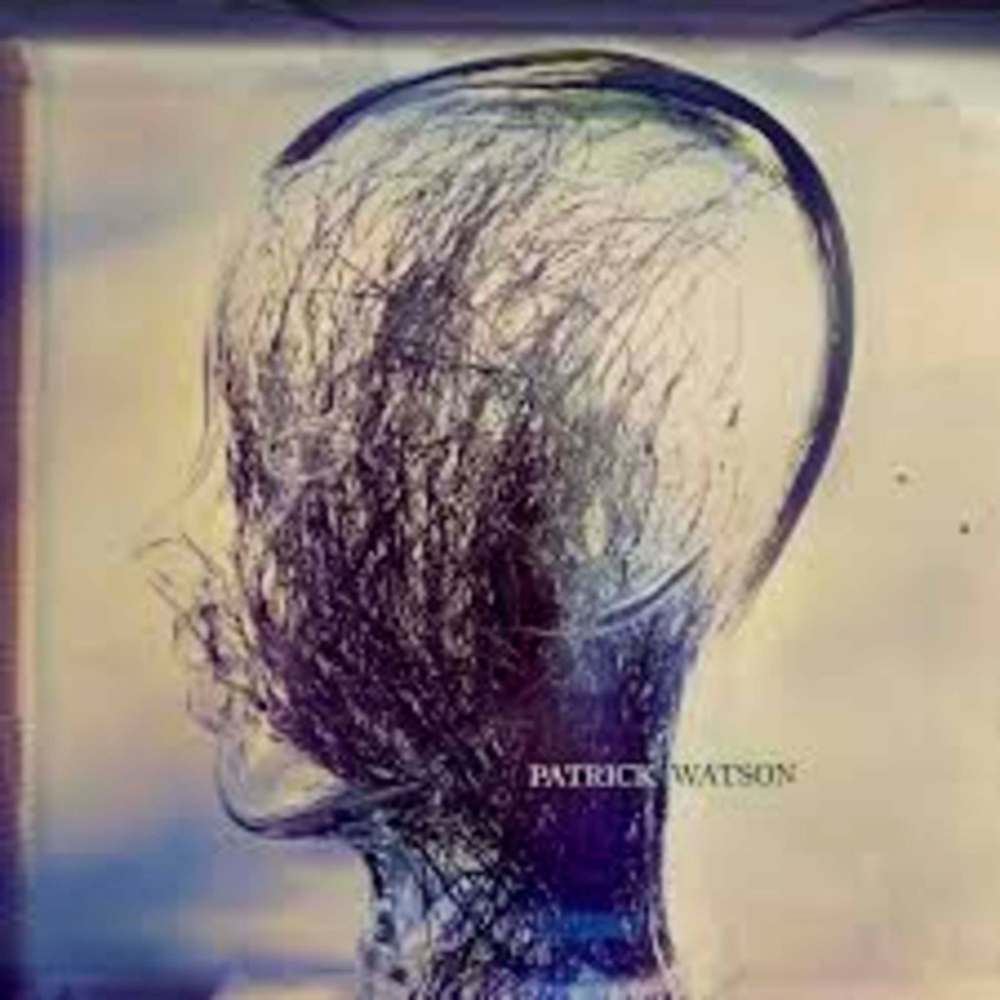
Winner of the 2007 Polaris Prize for his band’s second album, Close to Paradise, Watson is a purveyor of chamber pop, led here by the singer-songwriter’s expressive piano and his tender, reverb-laden high tenor and expressive falsetto. Though they are drenched in reverb and nestled in swaddling strings (by Prague’s FILMharmonic Orchestra) and ethereal synth washes, the songs are some of the most direct and open of Watson’s career — relating a litany of questions, pondering loss and looking to rediscover the “shimmer of light in the back of my mind.”
Opener Dream of Dreaming sets the table for the album to come, a heartbeat-driven lament in which Watson wishes he’d dreamed it all, while The Wave and Strange Rain deal with the aftermath of loss as he ponders the strange yet somehow comforting nature of life’s ebbs and flows. Melody Noir is a haunting, bossa nova-inflected song describing impossible desire (an expression of hope), while with Turn Out the Lights explores the nurturing aspects of comfort and friendship. The album achieves its resolution in closer Here Comes the River, as Watson sings, “Sometimes it’s going to fall down on your shoulders but you’re going to stand through it all.”
Stream these: Dream for Dreaming; Melody Noir; Here Comes the River.
★★★★ out of five
— John Kendle
POP / ROCK
Van Morrison
Three Chords and The Truth (Exile/Caroline)
Caledonia soul brother Van Morrison has, with his latest release Three Chords and The Truth, has reached a solo career album output closing in on 50 releases and shows no signs of slowing down his flow anytime soon. For this set, he has put together a solid, and at times intoxicating, batch of tracks that will not only appeal to seasoned Morrison acolytes but in a pinch could successfully lead neophytes back to the arguably golden motherlode of great albums that was his 1970s output.
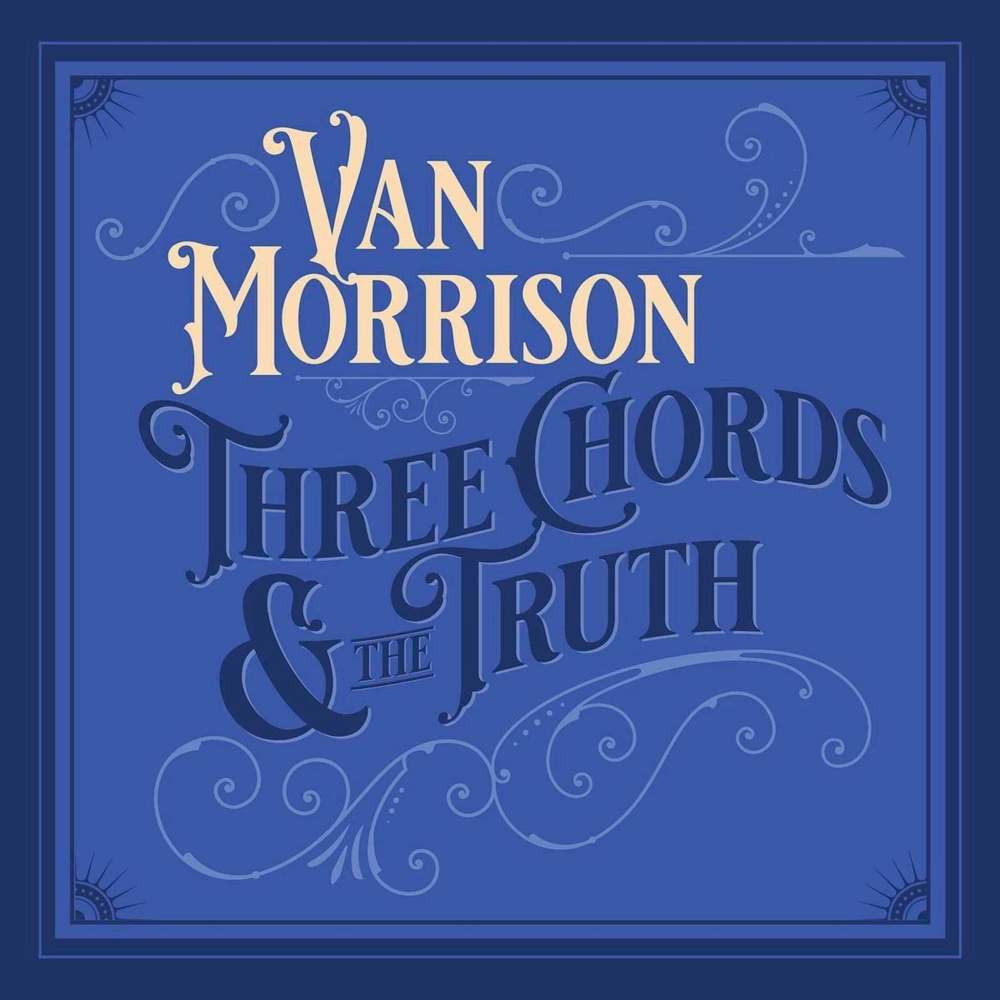
His voice is in fine form throughout these 14 tracks and the band he is using is tight without sounding like these songs were rehearsed to death in their creation. This looseness is paramount to Morrison it seems these days. His current style is more akin to vocalizing over musical vamps without too much concern over a particularly conventional song structure.
Thankfully, he never strays too far from his soul and rhythm-and-blues roots to cause any real distress for the listener. In Search Of Grace and Read Between The Lines both have a joyous and light feel, fed by some excellent guitar and organ solos. And Early Days is his sweet tribute to his love of the roots rock ‘n’ roll. Without missing a beat, Morrison also slides into some darker subject matter here. Fame Will Eat The Soul, a duet with the Righteous Brothers’ Bill Medley, is a dissertation on notoriety (“Down in Hollywood things are going swell, then you start breaking down, can’t get control, when every clown wants to take you down”) and, along with You Don’t Understand and Bags Under My Eyes, serves as one of a trio of songs that makes you wonder if Van is going to be OK.
If you ever loved Van’s music and just found it too difficult to keep up with his monumental release schedule, Three Chords and the Truth may get you back on track.
Stream these: Nobody In Charge, Does Love Conquer All?
★★★★ out of five
— Jeff Monk
COUNTRY
Luke Combs
What You See Is What You Get (River House Artists/Columbia Nashville)
Not many artists break out on their first record, but Luke Combs did it without much fanfare, dropping an album two years ago that has spent 50 weeks on top of Billboard’s country chart and tied the all-time record set by another country sensation, Shania Twain.
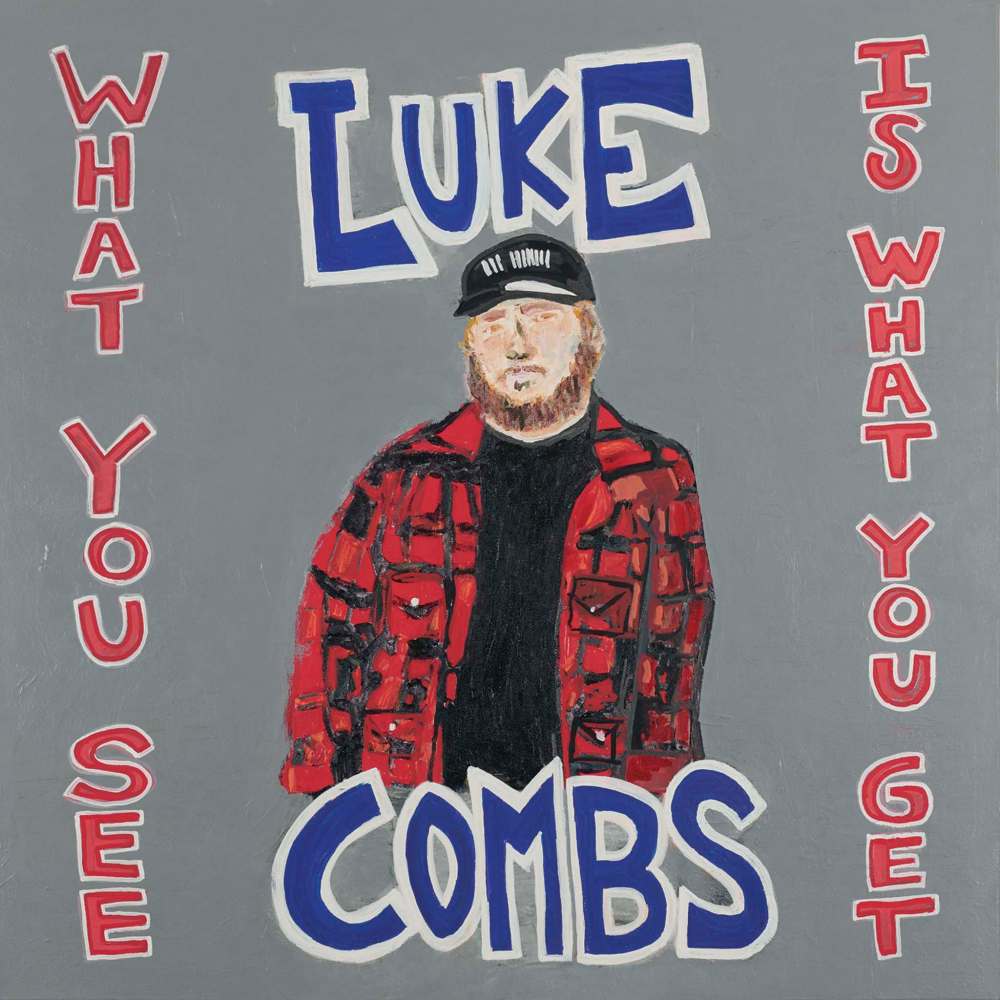
Combs has fed his rabid fan base with a deluxe re-release of his debut album and a five-song EP before putting out this sophomore record. As the title track suggests, What You See Is What You Get, Combs speaks directly to a working-class crowd with an average-Joe attitude about his own life, even as he has become country music’s next big star.
He has a creative flourish with vowel harmony in Lovin’ On You, stringing together similar sounding words in a syncopated style that’s a little like rapping, but slower. “I like a two-door old Ford, wood board back porch, three chords and the truth,” with an emphasis on the “or” sound.
He twirls around words in his North Carolina drawl, such as “Long neck, ice cold beer never broke my heart,” with his larger-than-life vocals matched with a stomping drum rhythm that sounds unique among so much smoothness of mainstream country melodies.
Combs, at the top of a new class of neo-traditionalists in country music, has learned a lot about writing solid honky-tonk boogies from studying the catalogue of Brooks & Dunn, who appear as featured guests on his song 1, 2 Many.
But Combs really sounds akin to a top-notch vocalist, such as Chris Stapleton, when he gets pensive, slows it down and lets his fully emotive vocal range take centre stage. Two slower standouts on the 17-song set are Dear Today, a demo-tape reminder to himself to not take his time for granted, and Even Though I’m Leaving, a classic father-son story song about saying goodbye.
Combs should be less worried about a sophomore slump than making more room for all those platinum plaques.
Stream these: Lovin’ on You, Dear Today
★★★★ out of five
— Kristin M. Hall, The Associated Press
JAZZ
Four Visions Saxophone Quartet
Four Visions (Sunnyside)
In an earlier day, Woody Herman had his four (saxophone) brothers, and more recently the World Saxophone and Rova Quartets explored the adventurous limits of the four-sax concept. This album is a worthy new iteration of that idea, with some pretty impressive musicians here — Samuel Blais (baritone), Dave Liebman (soprano), Donny McCaslin (tenor) and David Binney (alto).
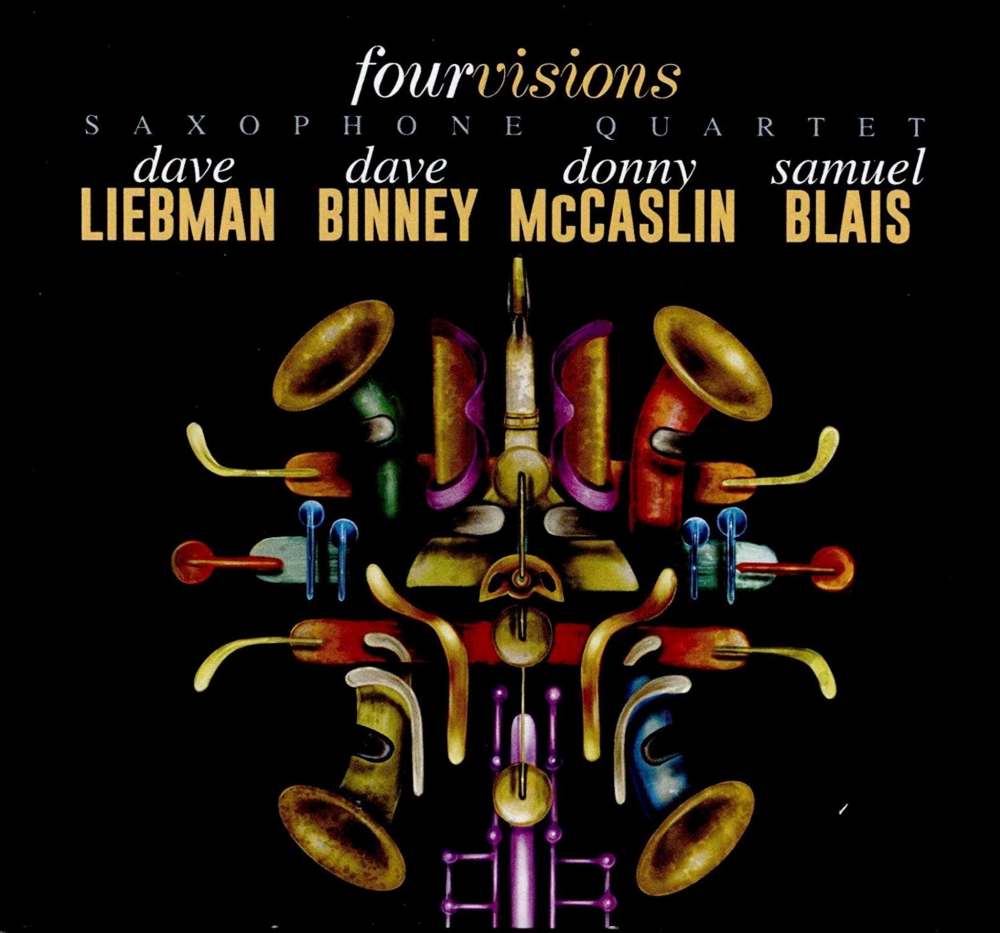
Aside from the fact that this is wildly energetic and often humorous music, there is substance here. The 10 original compositions are all by members of the band, and range from melodic and tightly harmonic ballads to cheekily off-kilter and up-tempo romps. The writing totally fits the moods, with lots of solo room for each member to show off his prodigious talent. Check out Binney flying through Legions, or Liebman on Buy A Mountain, as two examples of many.
The idea for the album was apparently that of Samuel Blais, and his choices of colleagues and the demands of the writing make his idea brilliant. The ensemble sections find all four in total sync — with pace, sudden stops and extended lines all achieved with complete assurance.
Each member here has recorded extensively in various configurations and they bring all that skill and experience to this project. The album transcends any suggestion that it might be just a curiosity. It is in fact a wonderful example of completely contemporary jazz by four accomplished practitioners.
Stream these: In Bach’s Studio, Blaizza
★★★★ out of five
— Keith Black
CLASSICAL
Windswept: Modern Chamber Music for Winds
Arcadian Winds (Navona)
This release on the Navona Records label features Boston-based ensemble Arcadian Winds in a selection of ear-pleasing contemporary works by five composers, including Ottawa-born Jan Järvlepp’s aptly titled Woodwind Quintet.
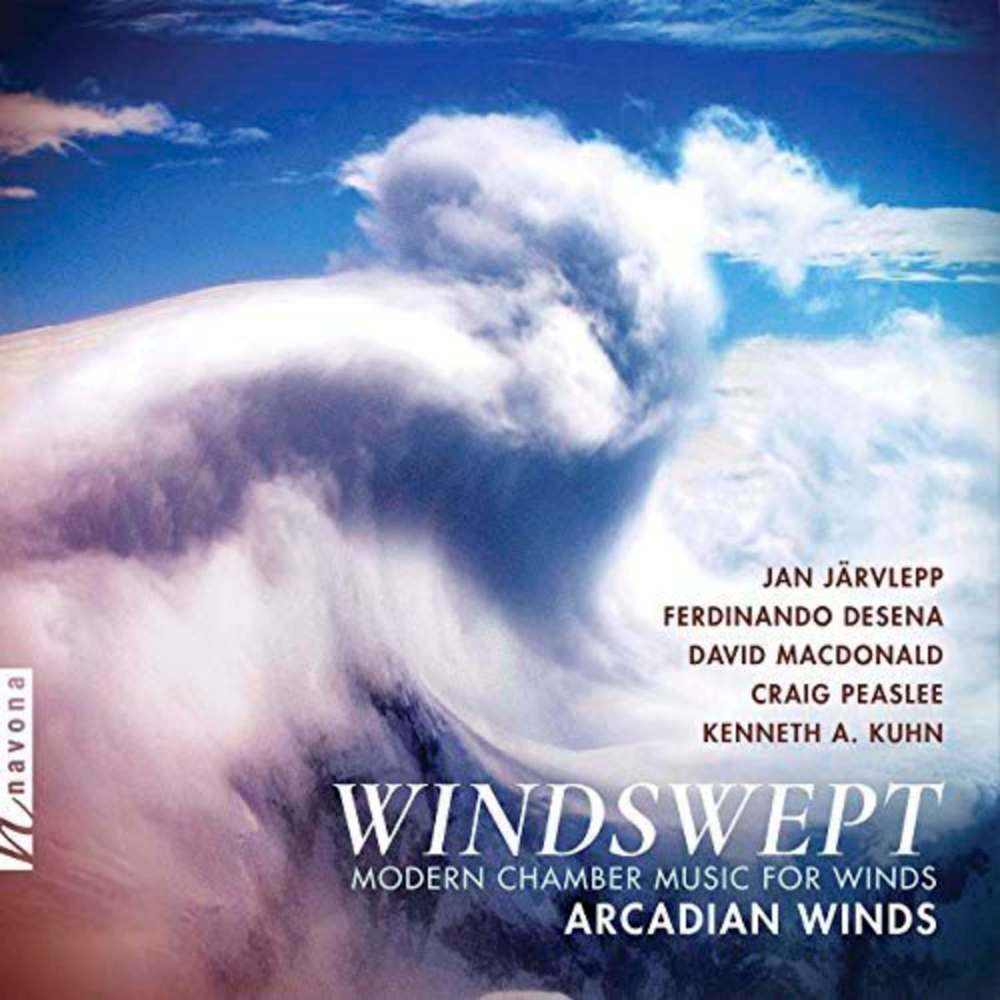
Commissioned by the CBC for Ottawa’s Bel Canto Woodwind Quintet, the fetching three-movement work showcases the tonal colours and respective texture of each wind instrument — from its careening opener, Rollercoaster, embedded with effective, prismatic sections of “klangfarbenmelodie,” to the more introspective Solitude. Pyrotechnics unleashes a final torrent of fiery passagework, in turn grounded by Janet Underhill’s bassoon that adds plenty of personality with pops of sound.
Ferdinando Desena’s Sonorous Earth scored for lower-pitched instruments — including alto flute, English horn, bass clarinet and contrabassoon — offers a thoughtful journey into their lugubrious depths, with the more introspective one-movement work proving darkly dramatic.
The highly imagistic Stumpery, depicting a garden of upturned roots of dead trees, features the players entwining their individual lines around each other’s like tangled roots. David MacDonald’s more abstract orchestration allows each voice to eloquently speak, including a fine opening solo by oboist Jane Harrison that bleeds into Vanessa Holroyd’s plaintive flute as their lines meld into one.
Craig Peaslee’s Dirge & Second Line evokes the spirit of a New Orleans-style funeral procession with its slower section bursting into its jazzy counterpart, including tightly knit syncopated rhythms.
The album ends on a lighter note, with Kenneth Kuhn’s variations on a commoner theme, no. 1, with its series of unfolding variations building in “nobility” on its commonplace opening theme. The decidedly tonal work appears a throwback to the past — a surprising, neo-classical addition to this otherwise wholly contemporary disc.
Stream this: Jan Järvlepp’s Woodwind Quintet.
★★★★ out of five
— Holly Harris