The occasional carnivore
Flexitarian eaters find they really can have it both ways
Advertisement
Read this article for free:
or
Already have an account? Log in here »
To continue reading, please subscribe:

Digital Subscription
One year of digital access for only $205*
- Enjoy unlimited reading on winnipegfreepress.com
- Read the E-Edition, our digital replica newspaper
- Access News Break, our award-winning app
- Play interactive puzzles
*First annual payment billed as $205.00 + GST for one year. This annual subscription will automatically renew at $233.00 + GST every 52 weeks (10% off the regular annual price of $259.35). Offer available to new and qualified returning subscribers only. Cancel any time.
To continue reading, please subscribe:
Add Free Press access to your Brandon Sun subscription for only an additional
$1 for the first 4 weeks*
- Enjoy unlimited reading on winnipegfreepress.com
- Read the E-Edition, our digital replica newspaper
- Access News Break, our award-winning app
- Play interactive puzzles
*Your next Brandon Sun subscription payment will increase by $1.00 and you will be charged $17.95 plus GST for four weeks. After four weeks, your payment will increase to $24.95 plus GST every four weeks.
Read unlimited articles for free today:
or
Already have an account? Log in here »
Hey there, time traveller!
This article was published 16/03/2011 (5622 days ago), so information in it may no longer be current.
IDENTIFYING yourself as an eater used to be simple. You either ate meat, or you didn’t.
Now? Maybe you eat meat but only certain kinds or only on certain days — or even certain hours. Or you don’t eat meat — except when you do.
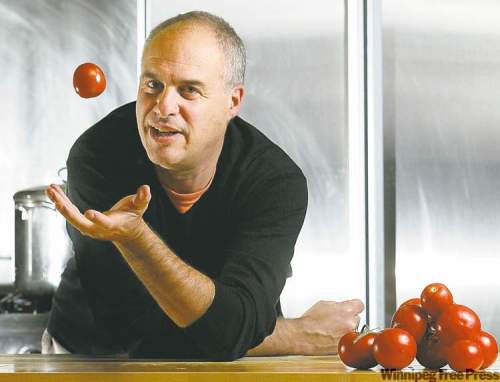
If you’re not vegetarian or carnivore, what are you? The term “flexitarian” is catching on, although author Mark Bittman likes “smartly thought-out omnivore.”
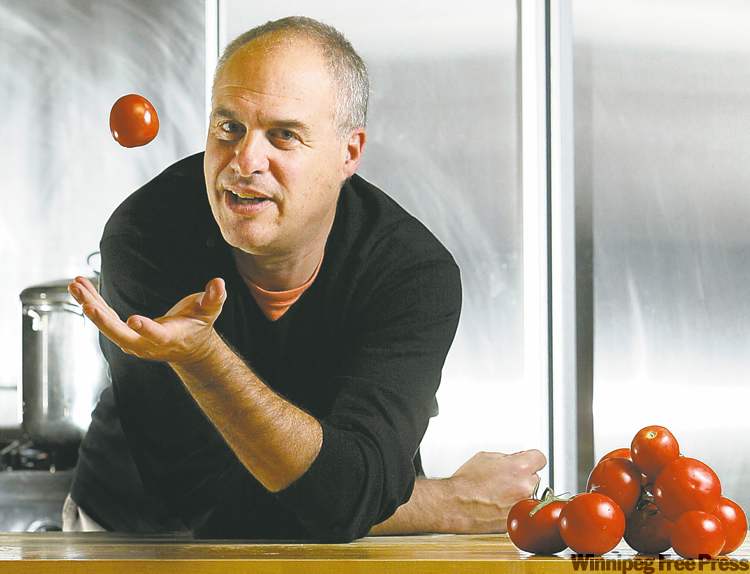
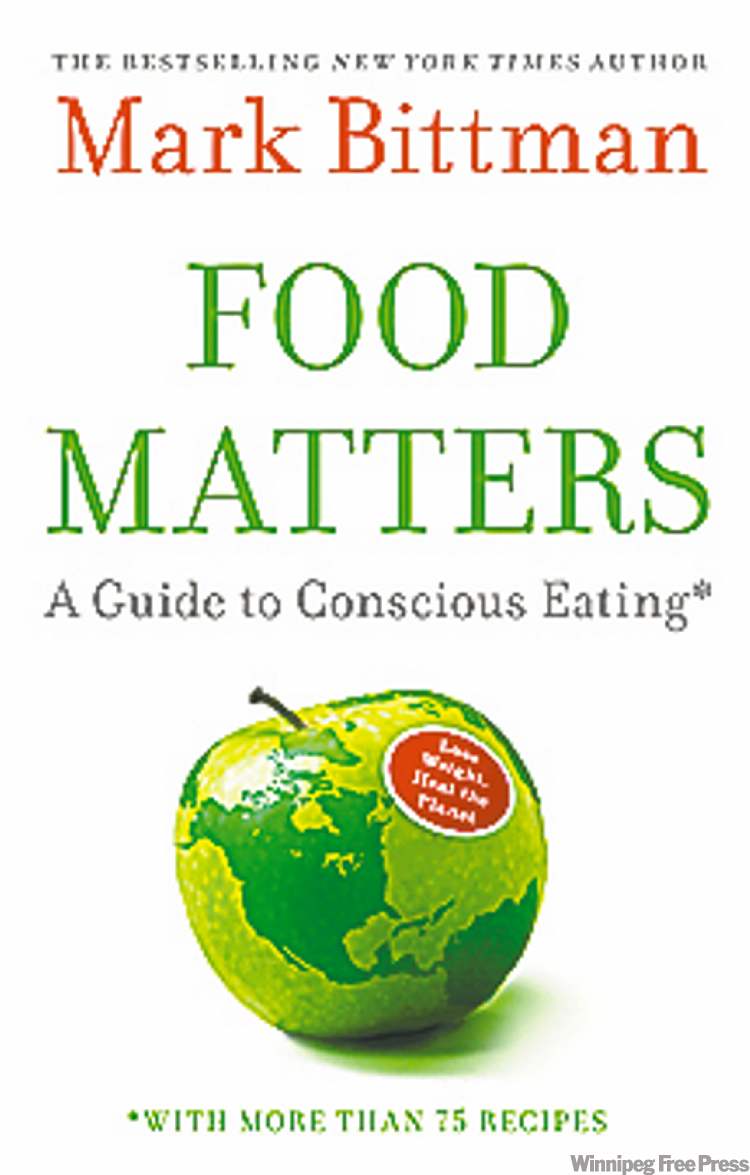
His most recent books, Food Matters and The Food Matters Cookbook, came about because of his own vegan-by-day/carnivore-by-night lifestyle.
“If it’s an anything-movement, it’s a common-sense movement,” says Bittman. “I do think the worm has turned and people are understanding that the diet that is the most prevalent and easiest is not the diet that’s best.”
Whether you’re cutting out meat during the day to save calories or cutting back on it during the week to save money or wear-and-tear on the planet, eating styles aren’t one-size-fits-all any longer.
Flexitarian isn’t a new concept. The magazine Vegetarian Times has estimated that as many as 70 per cent of its readers are vegetarians who occasionally eat meat, and the American Dialect Society voted “flexitarian” the year’s most useful word back in 2003, defining it as “a vegetarian who occasionally eats meat.”
What’s getting attention now are people who are going the other direction: Meat-eaters who skip the flesh at least some of the time.
Oprah Winfrey declared a one-week vegan challenge on her talk show Feb. 1, taking 378 staff members with her (300 made it). She’s also added a Meatless Monday at her company, Chicago-based Harpo Productions.
Celebrity chef Mario Batali’s 14 restaurants now offer two vegetarian options every Monday, too, joining the Web-based campaign www.meatlessmonday.com.
Even former president and junk-food junkie Bill Clinton got named 2010 Person of the Year by People for the Ethical Treatment of Animals when he went mostly vegan, although he still eats fish, to lose weight before daughter Chelsea’s wedding. And he’s reportedly sticking with it.
Jenn Grabenstetter of Charlotte, the editor of Where Charlotte magazine, eats meat, while husband Joe, a teacher, is a vegetarian. When they met, she was just coming out of the “pretend-vegetarian” style she started in college. She returned to eating meat, but he didn’t.
Today, they often cook together, one making a vegetarian dish while the other makes something with meat. Or she’ll make a dish two ways, with a meat substitute for his portion.
“Mostly, I eat everything except red meat,” she says. “A lot of our cooking has evolved around the idea of chicken and chicken substitutes.” But she also goes vegetarian part of the time, too. She likes the vegetarian versions of dishes like chili.
At the end of the day, who makes the better choice?
“I give him grief,” she says. “He’s not the best vegetarian. There’s a lot of vegetables he doesn’t like. “
Part of the interest in less meat is the recognition of the environmental and health costs of all-meat, all-the-time, says Bittman.
Several years ago, in response to his own health issues, he started eating a vegan diet during the day and eating meat, in smaller amounts, after 6 p.m. That led to his two Food Matters books, where meat takes a smaller role.
It isn’t choosing one diet over the other, it’s allowing more flexibility to make responsible choices that work for you — and still allow enjoyment, he says.
True vegans and vegetarians may bristle at the idea of identifying yourself as a non-meat eater if you eat meat. But Bittman says he hasn’t encountered much resistance to the idea of a more flexible eating style.
“I have vegan supporters, I have vegan allies,” he says. “We have friendly arguments. Ten years ago or even five years ago, vegans were passionate and could tend to be hostile to people who were not. And now I think many vegans have recognized what I have recognized, which is that there is a wide range of diets.”
Focusing less on meat in cooking means people will naturally focus more on plants and whole grains to fill the gap, and that pushes things back into perspective, he says.
An example is his recipe in The Food Matters Cookbook for traditional French cassoulet — Cassoulet with lots of Vegetables. With only a pound of meat for four to eight servings, the dish moves back to its origin as a bean-based stew.
“How would you make cassoulet if you were a real peasant? You wouldn’t start with duck confit and sausage and pork. Meat was precious. It was a dish of beans with whatever scrap of meat you could find. It flips things around and puts things the way they used to be.
“If we were eating that way the majority of the time, we’d be better off. Meat has an acceptable but fine role. We’ve just done too much of it.”
Creamy cauliflower mac
From The Food Matters Cookbook, by Mark Bittman (Simon & Schuster, 2010).
2 tablespoons olive oil, plus more for baking dish
Salt
2 1/2 cups vegetable or chicken stock or water
2 bay leaves
1 cauliflower, cored and separated into large pieces
8 ounces elbow, shell, ziti or other cut pasta, preferably whole wheat
1/2 cup grated cheese, such as sharp cheddar, Gruyere, Emmental or a combination
1 tablespoon Dijon mustard, or to taste
1/8 teaspoon nutmeg, or to taste
Black pepper
1/4 cup grated Parmesan cheese
1/2 cup or more bread crumbs, preferably whole grain and homemade; optional
Heat the oven to 400 degrees. Grease a 9-inch-square baking dish with a little oil. Bring a large pot of water to boil and salt it. Put the stock with the bay leaves in a small saucepan over medium-low heat. When small bubbles appear along the sides, about 5 minutes later, turn off the heat and let stand.
Cook the cauliflower in the boiling water until very tender, 20 to 25 minutes. Scoop the cauliflower out of the water with a slotted spoon and transfer it to a blender or food processor. Add the pasta to the boiling water and cook until still somewhat chalky inside and not yet edible, about 5 minutes. Drain it, rinse quickly to stop the cooking and put in the prepared baking dish.
Remove the bay leaves from the stock. Carefully process the cauliflower with 2 cups stock, 2 tablespoons oil, cheese, mustard, nutmeg and a sprinkling of salt and pepper. (You may have to work in batches.) If the sauce seems too thick, add the remaining 1/2 cup stock. Taste and adjust seasoning. Pour over the pasta, toss, and spread the mixture evenly in the dish. (Can be made to this point, covered and refrigerated up to 1 day. Bring to room temperature before proceeding.)
Sprinkle the top with the Parmesan and bread crumbs if you’re using them. Bake until the pasta is bubbling and the crumbs turn brown, 15 to 20 minutes. Serve hot.
Cassoulet with lots of vegetables
From The Food Matters Cookbook, by Mark Bittman.
2 tablespoons olive oil
1 pound Italian sausages in casings, bone-in pork chops, confit duck legs or fresh duck breasts, or a combination
1 tablespoon minced garlic
2 leeks, trimmed, well rinsed and sliced, or 2 onions, sliced
2 carrots, cut into 1-inch lengths
3 celery stalks, cut into 1/2-inch pieces
2 zucchini or 1 small head green cabbage, cut into 1/2-inch pieces
Salt and black pepper
4 cups chopped tomatoes (canned are fine; include their juice)
1/4 cup chopped fresh parsley
1 tablespoons chopped fresh thyme, or 1 teaspoon dried
2 bay leaves
4 cups cooked or canned white beans, drained, liquid reserved
2 cups stock, dry red wine, bean-cooking liquid or water; more as needed
Pinch of cayenne, or to taste

Put the oil in a large pot over medium-high heat. A minute later, add the meat and cook, turning as needed, until the pieces are deeply browned on all sides, 10 to 15 minutes. Remove from the pan and drain off all but 2 tablespoons of the fat.
Reduce the heat to medium and add the garlic, leeks, carrots, celery and zucchini; sprinkle with salt and pepper. Cook until softened, about 5 minutes. Add the tomatoes with their liquid, the reserved meat and the herbs and bring to a boil. Add the beans and bring to a boil again, stirring occasionally.
Reduce the heat so the mixture bubbles gently but continuously. Cook about 20 minutes, adding the stock when the mixture gets thick and the vegetables are melting away, about halfway through.
Fish out the meat, remove the bones and skin as needed, and discard the bay leaves. Chop the meat into chunks and return to the pot along with the cayenne. Cook a minute or two to warm though, then taste and adjust the seasoning. Serve.
–The Charlotte Observer (Charlotte, N.C.)