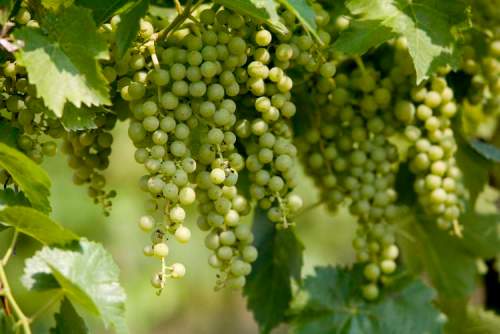
Pure, not simple
Making good organic wine requires a great deal of special attention
Advertisement
Read this article for free:
or
Already have an account? Log in here »
To continue reading, please subscribe:

Digital Subscription
One year of digital access for only $205*
- Enjoy unlimited reading on winnipegfreepress.com
- Read the E-Edition, our digital replica newspaper
- Access News Break, our award-winning app
- Play interactive puzzles
*First annual payment billed as $205.00 + GST for one year. This annual subscription will automatically renew at $233.00 + GST every 52 weeks (10% off the regular annual price of $259.35). Offer available to new and qualified returning subscribers only. Cancel any time.
To continue reading, please subscribe:
Add Free Press access to your Brandon Sun subscription for only an additional
$1 for the first 4 weeks*
- Enjoy unlimited reading on winnipegfreepress.com
- Read the E-Edition, our digital replica newspaper
- Access News Break, our award-winning app
- Play interactive puzzles
*Your next Brandon Sun subscription payment will increase by $1.00 and you will be charged $17.95 plus GST for four weeks. After four weeks, your payment will increase to $24.95 plus GST every four weeks.
Read unlimited articles for free today:
or
Already have an account? Log in here »
Hey there, time traveller!
This article was published 23/03/2013 (4863 days ago), so information in it may no longer be current.
While the organic wine category enjoys decent popularity in the wine world, it’s certainly not growing the way organic food is in the culinary world.
Yet consider a recent study that tested over 300 French wines for dozens of molecules found in fungicides, pesticides and other common chemicals used in viticulture. Around 90 per cent of wines tested came back with at least trace amounts of one or more of these chemicals.
No, French wines (probably) aren’t toxic cesspools, nor are the wines particularly dangerous in “average” quantities.
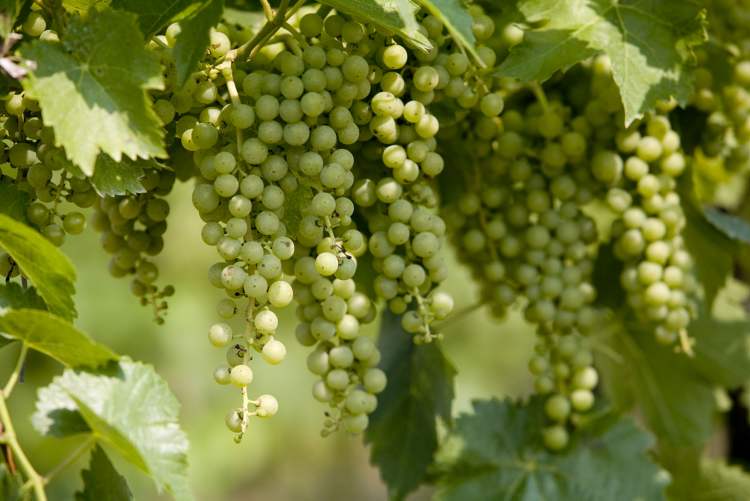
This isn’t just a French wine problem either — I’m fairly certain the results would be similar from nearly any wine-producing region/country. But the potential for these types of toxins to build up in our system over time is definitely cause for some attention, if not concern.
If that’s not a reason to drink organic, consider this: Organic wine is the best way to taste wine in its most natural state — free of excessive manipulation and heavy-handed winemaking.
That doesn’t mean there’s little for organic viticulturalists/winemakers to do — in fact, they’re probably more closely involved in every step than their conventional counterparts. Cover crops like grasses or clover are often introduced between vines in organic vineyards to draw weeds away from the grapes. Organic wines are free of chemical pesticides/fungicides, and therefore don’t carry most of the molecules found in the French study.
Conventional spraying for pest control is a no-no, so organic viticulturalists instead opt for introducing other bugs or birds to eat the pests. Mildew and fungus are controlled through careful trellising of the vines as well as careful leaf-pruning, both of which foster good airflow, which means less moisture build-up and rot.
As for the soil, the fertilizer is all-natural — that’s right, there’s plenty of animal poop.
Then there are the processes the juice goes through in the winery once the grapes are picked and crushed. Many organic producers take a fairly hands-off approach, avoiding preservatives or other excessive additives to wine. Any yeast introduced for fermentation would be organic; alternately, some winemakers will let wild, naturally occurring yeasts do all the work. Filtration tends to be minimal.
Sulfites are typically added to a conventional wine to stabilize it for better travel and preservation. Most organic wines don’t have any added sulfites — additives like sulfur dioxide (sometimes seen as “Preservative 220” on wine labels) aren’t organic.
That doesn’t mean organic wines are sulfite-free — some naturally occurring sulfites come about in any winemaking process. But those with sulfite sensitivities should consider organic wines, as levels will typically be lower than in conventional wines.
Having said all this, are organic wines better? Not necessarily. Mike Muirhead of Banville & Jones recently posted an in-depth blog about this topic on the store’s website (http://banvilleandjones.com/blog.php).
In short: Organic wineries need to start with a fantastic plot of land. From there, they need highly skilled viticulturalists and winemakers to carefully guide the wine along while leaving less of a “fingerprint” on the finished product — no easy task.
uncorked@mts.net Twitter: @bensigurdson
MICHEL TORINO 2012 CUMA TORRONTÉS
(Cafayate Valley, Argentina — $10.24, Liquor Marts and beyond)
Tangerine, peach, mango and floral notes practically jump out of the glass — it’s quite the aromatic Argentine white. While the tropical fruit is still dominant on the palate, the floral notes work with a pronounced spice note to give this wine a bit of an edge — in a good way. For under $11 this wine brings loads of character. 87/100

VENTA MORALES 2011 TEMPRANILLO
(La Mancha, Spain — around $17, private wine stores)
This Tempranillo from central Spain is bright purple in the glass, with raspberry, grape juice, clove, mocha and blackberry aromas showing well. It’s a juicy, dense red, with ripe berry flavours accentuated by vanilla (thanks to time in oak) and smoky bacon notes on the full-bodied palate. While there’s a splash of acidity and modest tannin that complete the package, I was hoping for a more rustic, finished product. Still, this works with a savoury sausage dish or a pizza. I picked this up at Fenton’s Wine Merchants. 86/100
EMILIANA 2010 NOVAS GRAN RESERVA CARMÉNàRE / CABERNET SAUVIGNON (Colchagua Valley, Chile, $16.77, Liquor Marts and beyond)
Earth, black pepper, espresso, blackberry, smoke and cassis aromas on this 85/15 blend seem a bit rough and serious at first. On the full-bodied palate, however, this wine is a bit friendlier, with a core of ripe dark berry flavours fleshing out the grittier notes and helping everything come together nicely. Firm tannins and a peppery finish lend themselves to a big steak or a couple of hours in a glass to mellow out. Delicious. 89/100
History
Updated on Saturday, March 23, 2013 2:49 PM CDT: corrects typo in cutline