Cool rules
Whether white, pink or even red, a little chill is always welcome in your wine

Advertisement
Read this article for free:
or
Already have an account? Log in here »
To continue reading, please subscribe:

Digital Subscription
One year of digital access for only $205*
- Enjoy unlimited reading on winnipegfreepress.com
- Read the E-Edition, our digital replica newspaper
- Access News Break, our award-winning app
- Play interactive puzzles
*First annual payment billed as $205.00 + GST for one year. This annual subscription will automatically renew at $233.00 + GST every 52 weeks (10% off the regular annual price of $259.35). Offer available to new and qualified returning subscribers only. Cancel any time.
To continue reading, please subscribe:
Add Free Press access to your Brandon Sun subscription for only an additional
$1 for the first 4 weeks*
- Enjoy unlimited reading on winnipegfreepress.com
- Read the E-Edition, our digital replica newspaper
- Access News Break, our award-winning app
- Play interactive puzzles
*Your next Brandon Sun subscription payment will increase by $1.00 and you will be charged $17.95 plus GST for four weeks. After four weeks, your payment will increase to $24.95 plus GST every four weeks.
Read unlimited articles for free today:
or
Already have an account? Log in here »
Hey there, time traveller!
This article was published 03/06/2023 (1219 days ago), so information in it may no longer be current.
With temperatures set to hit 30 C or higher for the next number of days, many will be looking to beat the heat with a glass of something chilled. Whether it’s white, rosé or even red — yes, you can (and should) chill some reds, more on that in a minute — there are a few tried-and-true tips and tricks to cool down your wines in a hurry.
Generally speaking, you can gauge how much to chill your wine by its colour. Lighter whites and rosés as well as sparkling wine tend to taste best when they’re chilled right down — think Sauvignon Blanc, Cava, Pinot Grigio, rosé from France’s Provence region, and the like. Slightly darker (and typically heavier) white and pink wines still taste best chilled, but that oaky Chardonnay probably doesn’t need to be quite as cold as, say, a racy, citrusy Vinho Verde from Portugal.
As for chilling reds, lighter varieties such as Pinot Noir and Gamay do quite well after about 15-20 minutes in the fridge, while heavier fruit-driven reds (think entry-level Argentine Malbec or Aussie Shiraz) can also stand to be served slightly cool — say, 10-15 minutes in the fridge. More full-bodied, tannic and/or oak-aged reds, however, don’t do well when served cold; the lower temperature accentuates the tannins, making them seem even drier. However, the suggestion of serving a red at “room temperature” typically means between 16-18 C, so feel free to pop them in the fridge, even just for five-10 minutes.
If you’ve just come back from your favourite shop and need your wine chilled in a hurry, some methods work faster than others. While 25-30 minutes in the freezer will make a wine a modestly cold, you can get a wine much colder far faster by popping it in an ice bucket (or any bucket, but preferably metal) with cold water and a whole bunch of ice cubes. You can speed this technique up even more by adding some salt to the water, which lowers the water’s freezing temperature, and stirring or agitating the water-and-ice solution occasionally. And if you can’t get the bottle fully submerged, flip it upside down halfway through.
Aside: after seeing a suggestion on social media that a wine can be thoroughly chilled in five or so minutes by wrapping it in a wet paper towel and popping it in the freezer, I gave it a try. It didn’t work.
If you just can’t wait for the bottle to be fully chilled, there’s a technique I learned from a colleague who writes about wine in Montreal that works well, particularly if you want your glass of red slightly cooler. It’s simple: take an ice cube and just plop it right in your glass, swirl (or stir) the wine for about 10 seconds and then remove the ice cube with a spoon. It’s just enough time to bring down the temperature of your wine without any noticeable dilution.
As always, there are no hard and fast rules for how cold to serve your wine; experiment by tasting as you go and see what temperature helps your wine taste best.
Wines of the week
Loveblock 2021 Sauvignon Blanc (Marlborough, New Zealand — $27.99, Liquor Marts and beyond)
Loveblock Sauvignon Blanc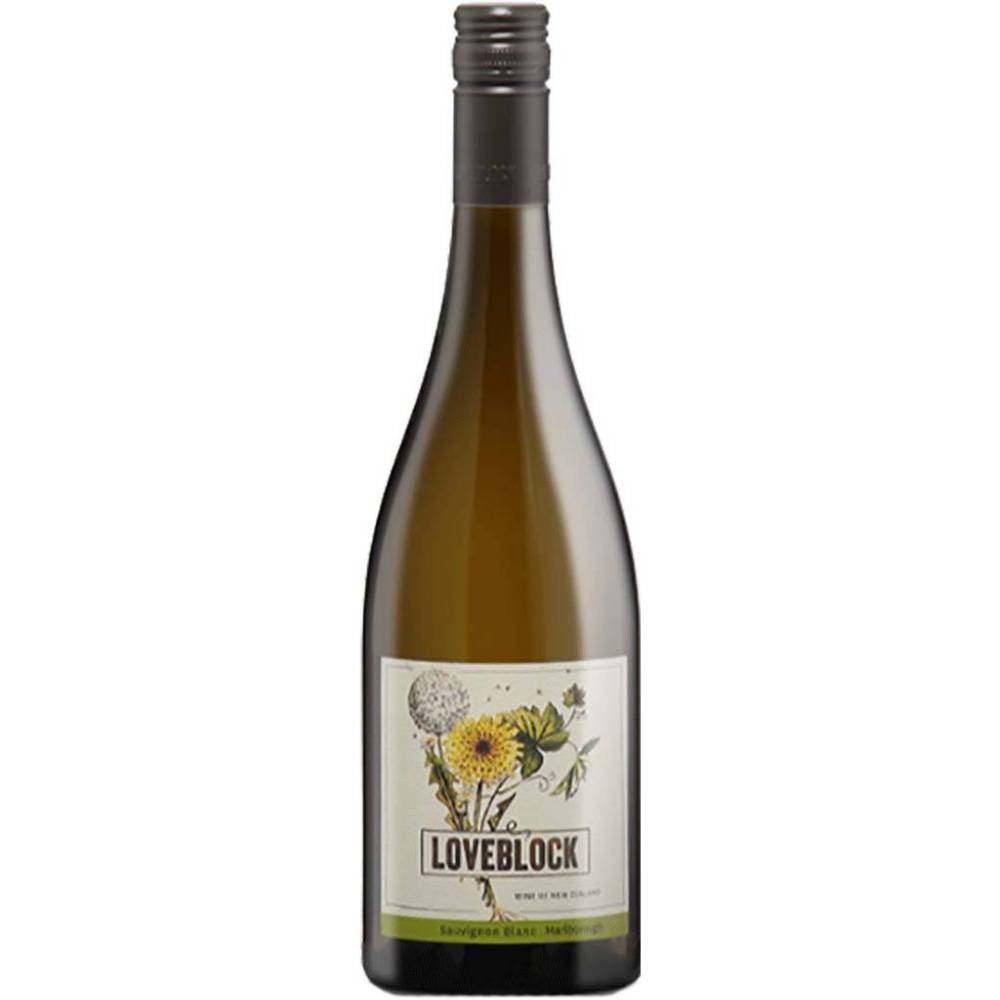
The grapes for this Kiwi Sauvignon Blanc were sourced from estate vineyards in two different sub-regions of Marlborough, and in a very good vintage.
Aromatically it brings fresh gooseberry, grapefruit lemon-lime and hints of pineapple with a slightly chalky component.
It’s dry, light-bodied and racy, with ripe but tart citrus front and centre, with that chalkiness adding to the verve of the mouth-watering acidity, and hints of pineapple and ripe tropical fruit fleshing things out. Serve well-chilled. Delicious. 4.5/5
Three Thieves 2021 Chardonnay (California — $10.79, Liquor Marts and beyond)
Three Thieves Chardonnay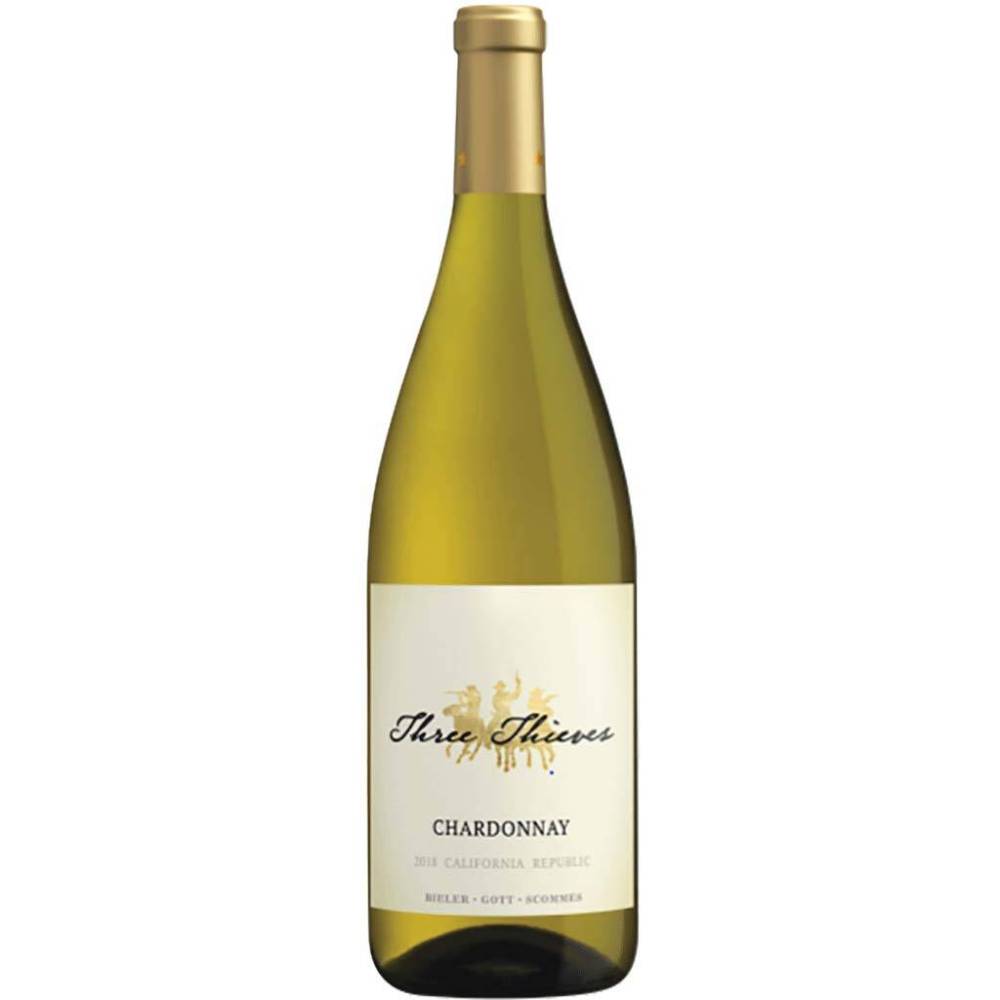
With grapes sourced primarily from the Lodi and coastal regions, this Chardonnay is medium-gold in colour, and brings ripe mango, pineapple and red apple notes as well as vanilla, peach and subtle spice.
It’s dry and medium-bodied — one of the weightiest wines tasted this week — with tropical and stone fruit flavours, vanilla, caramel and spice notes from time in oak and a medium-length finish.
This white, while heavier, tasted best well-chilled; it’s a pretty textbook (and decently tasty) ripe California Chardonnay. It’s regularly $17.99, but is marked down until June 15. 3/5
Bread & Butter 2021 Rosé (California — $23.99, Liquor Marts and beyond)
Bread & Butter Rosé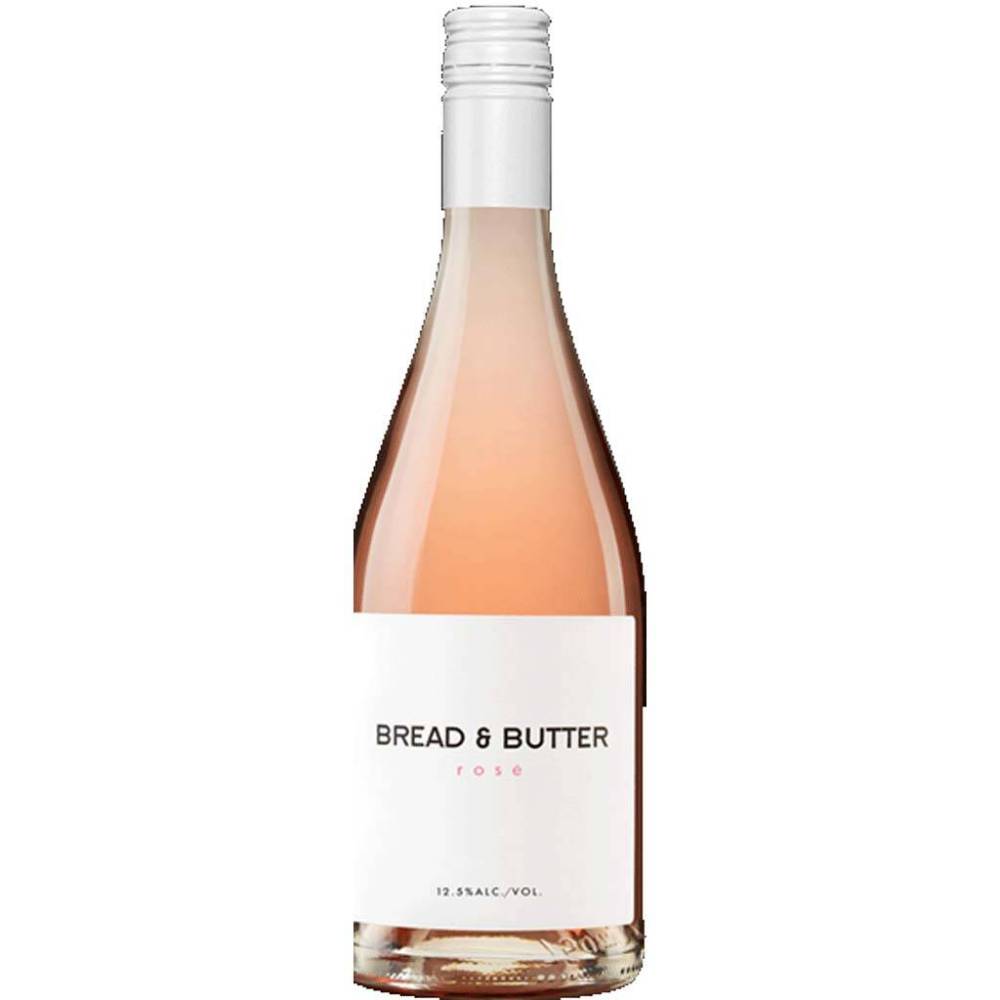
An intriguing blend of Barbera, Grenache and Muscat grapes — the former two red grapes, the latter a white — this pink wine offers ripe strawberry, raspberry candy and mandarin orange/marmalade aromas with a hint of spice.
There’s a touch of sweetness on the light-plus bodied palate that accentuates ripe raspberry, orange and strawberry candy notes, bringing an initial intensity of flavour that peters out pretty quick.
Serve this rosé well chilled in warmer weather. 2.5/5
Cave Spring 2021 Rosé (Niagara Peninsula, Ont. — around $21, private wine stores)
Cave Spring Rosé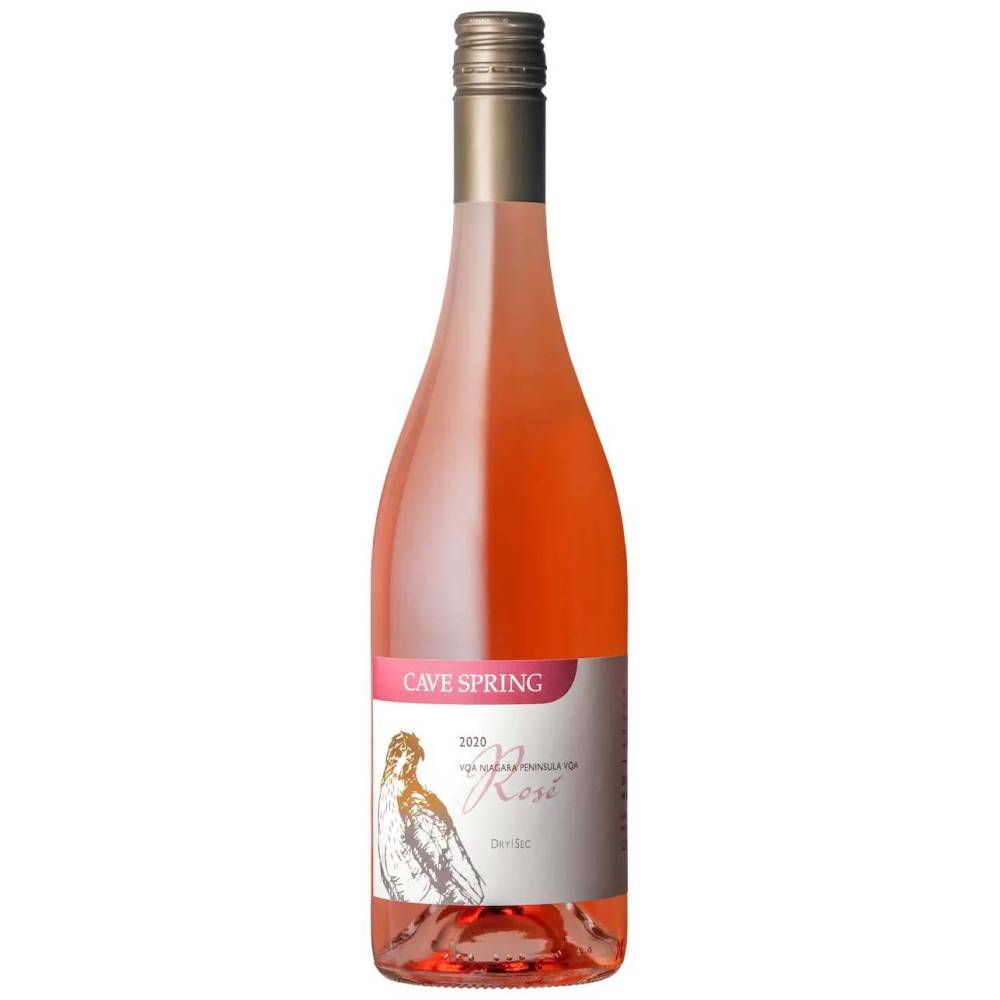
A Cabernet Franc-Gamay blend from Ontario’s Niagara Peninsula, this rosé is medium-pink in colour and aromatically offers fresh floral, strawberry and watermelon aromas with an underlying mineral note.
It’s a dry, light-plus bodied pink wine, with bright, fresh red berry flavours, secondary peach and watermelon notes and a chalky component running through to the crisp, short finish (it’s 12.5 per cent alcohol).
Delicious and fun while retaining some complexity, showing what cool-climate regions are capable of with rosé. Drink well-chilled. 4.5/5
Radford Dale 2022 “Thirst” Cinsault (Stellenbosch, South Africa — around $30, private wine stores)
Radford Dale Thirst Cinsault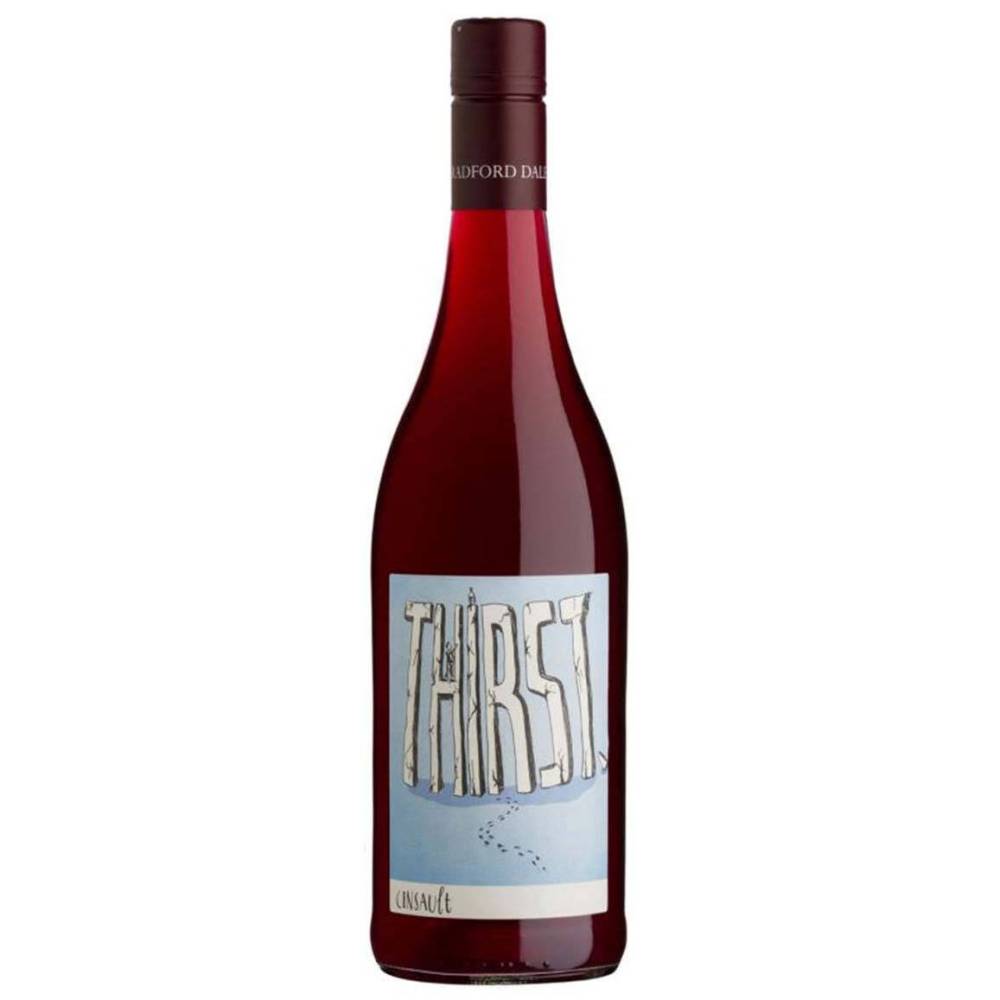
A minimal-intervention (read: “natural”) red, this South African wine is deep raspberry in colour, looking almost like a deeply coloured rosé.
It brings appealing cranberry, cherry and floral notes on the nose along with a slightly gamey, funky component. It’s dry and quite light-bodied — like lighter than most Pinot Noir — with crunchy red berry flavours and a hint of cherry Kool-Aid coming with earthy, white pepper notes, no notable tannins but moderate acidity and a medium-length finish.
Temperature-wise, treat this tasty red more like a rosé. 4/5
Casas del Bosque 2020 Reserva Pinot Noir (Casablanca Valley, Chile — $16.49, Liquor Marts and beyond)
Casas del Bosque Pinot Noir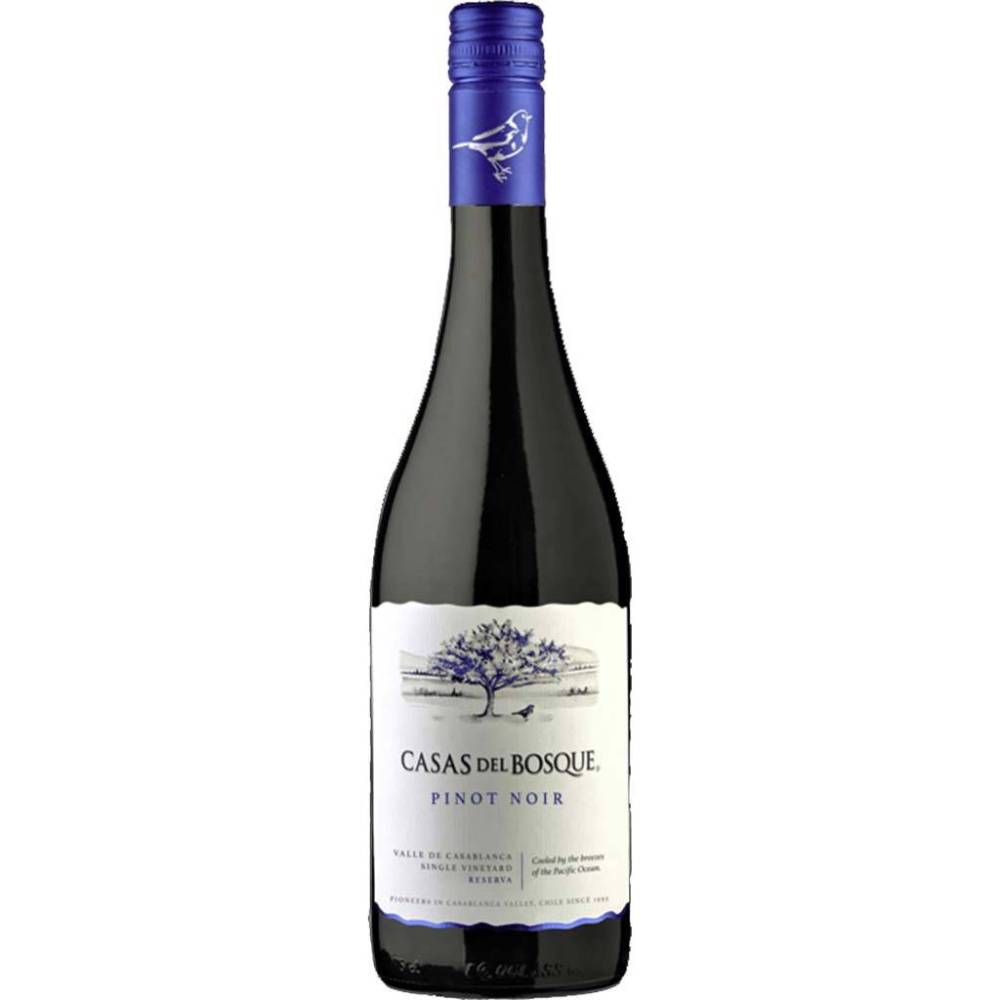
Pale ruby in colour, this Chilean Pinot Noir offers earth, violet, plum, cherry and subtle mushroom notes.
Light-plus bodied and dry, the red berry flavours work well with the slightly astringent herbal and earthy notes, modest tannins add a touch of structure and the 13 per cent alcohol makes for a short, clean finish.
A decent Pinot for the price that tastes best after about 20 minutes in the fridge. 3/5
uncorked@mts.net
@bensigurdson
Ben Sigurdson
Literary editor, drinks writer
Ben Sigurdson is the Free Press‘s literary editor and drinks writer. He graduated with a master of arts degree in English from the University of Manitoba in 2005, the same year he began writing Uncorked, the weekly Free Press drinks column. He joined the Free Press full time in 2013 as a copy editor before being appointed literary editor in 2014. Read more about Ben.
In addition to providing opinions and analysis on wine and drinks, Ben oversees a team of freelance book reviewers and produces content for the arts and life section, all of which is reviewed by the Free Press’s editing team before being posted online or published in print. It’s part of the Free Press‘s tradition, since 1872, of producing reliable independent journalism. Read more about Free Press’s history and mandate, and learn how our newsroom operates.
Our newsroom depends on a growing audience of readers to power our journalism. If you are not a paid reader, please consider becoming a subscriber.
Our newsroom depends on its audience of readers to power our journalism. Thank you for your support.
Ben Sigurdson
Literary editor, drinks writer
Ben Sigurdson is the Free Press‘s literary editor and drinks writer. He graduated with a master of arts degree in English from the University of Manitoba in 2005, the same year he began writing Uncorked, the weekly Free Press drinks column. He joined the Free Press full time in 2013 as a copy editor before being appointed literary editor in 2014. Read more about Ben.
In addition to providing opinions and analysis on wine and drinks, Ben oversees a team of freelance book reviewers and produces content for the arts and life section, all of which is reviewed by the Free Press’s editing team before being posted online or published in print. It’s part of the Free Press‘s tradition, since 1872, of producing reliable independent journalism. Read more about Free Press’s history and mandate, and learn how our newsroom operates.
Our newsroom depends on a growing audience of readers to power our journalism. If you are not a paid reader, please consider becoming a subscriber.
Our newsroom depends on its audience of readers to power our journalism. Thank you for your support.
Advertisement Advertise With Us
Advertisement Advertise With Us