U.S. relaxes planned regulations for dogs crossing border from rabies-free countries
Advertisement
Read this article for free:
or
Already have an account? Log in here »
To continue reading, please subscribe:

Digital Subscription
One year of digital access for only $205*
- Enjoy unlimited reading on winnipegfreepress.com
- Read the E-Edition, our digital replica newspaper
- Access News Break, our award-winning app
- Play interactive puzzles
*First annual payment billed as $205.00 + GST for one year. This annual subscription will automatically renew at $233.00 + GST every 52 weeks (10% off the regular annual price of $259.35). Offer available to new and qualified returning subscribers only. Cancel any time.
To continue reading, please subscribe:
Add Free Press access to your Brandon Sun subscription for only an additional
$1 for the first 4 weeks*
- Enjoy unlimited reading on winnipegfreepress.com
- Read the E-Edition, our digital replica newspaper
- Access News Break, our award-winning app
- Play interactive puzzles
*Your next Brandon Sun subscription payment will increase by $1.00 and you will be charged $17.95 plus GST for four weeks. After four weeks, your payment will increase to $24.95 plus GST every four weeks.
Read unlimited articles for free today:
or
Already have an account? Log in here »
Hey there, time traveller!
This article was published 22/07/2024 (802 days ago), so information in it may no longer be current.
OTTAWA – The U.S. Centers for Disease Control has rolled over on plans to require dog owners crossing the border from Canada to fill out onerous paperwork this summer, the agency announced Monday.
The CDC had laid out new rules in May that were aimed at keeping dog-variant rabies out of the country.
The rules stated dogs must be microchipped, vaccinated against rabies and accompanied by two forms, including one signed by a veterinarian. The forms were supposed to include photos of the dog’s teeth and would be verified upon arrival by border agents.
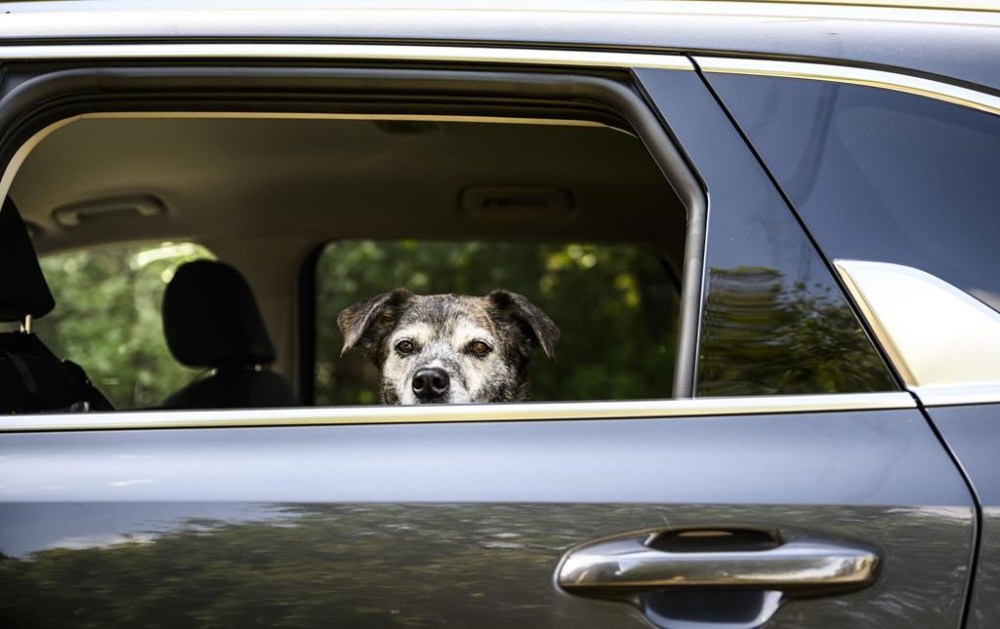
The changes, which were set to take effect beginning Aug. 1, had been panned by veterinary associations, the tourism industry and the federal government in Canada.
Officials said they were trying to secure an exemption because of Canada’s status as a rabies-free country.
Last week, Health Minister Mark Holland said he had secured a partial exemption to the rules and was hopeful for a grace period. The CDC announcement Monday goes further.
“These updates incorporate the feedback received from the public, industry partners, and various countries on the dog importation rule, and clarify and simplify the processes for those bringing dogs from dog rabies-free or low-risk countries,” the CDC said in a statement on Monday.
As long as the dog has been in a low-risk or rabies-free country for the last six months, it can cross the border with just an import form that can be completed online the day of travel.
The dogs also need to be microchipped, which is a new requirement.
The change has eased concerns for some advocates who were pushing for an exemption for service dogs, but Michelle Barlak said there’s still more work to be done.
Barlak is a public relations specialist with The Seeing Eye, a New Jersey-based non-profit that breeds and trains guide dogs and helps train guide dog handlers, including handlers from Canada.
The Seeing Eye was among a group of advocacy organizations in the U.S. that has been hounding the CDC to make an exemption for service dogs and their handlers.
“Unfortunately, the CDC dog import form, which is still required in all cases, is inaccessible to those using screen readers to access the page,” she said in an email on Monday. The original CDC form was also not accessible to people using screen readers.
Barlak also noted that handlers from high-risk rabies countries will still have to meet the original requirements on Aug. 1.
The CDC’s list of countries that are considered high risk for rabies includes a number of popular vacation destinations such as Cuba, the Dominican Republic, Thailand and Vietnam.
Without an exemption, any service dog handler who has travelled to one of those countries in the previous six months would have to jump through the CDC’s hoops with longer forms and sign-off from a vet before heading to the United States, even if they live in Canada or another rabies-free country.
In an interview Thursday before the changes were announced, the Seeing Eye’s Melissa Allman expressed frustration that the CDC has not been responsive to concerns about how the changes would affect service dog handlers.
“I think that it is an erosion of our rights that we’ve worked very hard to create and uphold and protect since our founding in 1929,” said Allman, who is a guide dog handler and the organization’s advocacy and government relations specialist.
“Here I am in a position where I’m supposed to advocate for the rights of people and I feel like I have to tell people, ‘Sorry, things are not as good as they were.'”
This report by The Canadian Press was first published July 22, 2024.
Note to readers: This is a corrected story. A previous version did not include the requirement that dogs must have a microchip.
Related Articles
U.S. eases border rules for dogs from Canada as Liberals try to secure exemption

Advertisement Advertise With Us
Advertisement Advertise With Us