CDC chief urges focus on health threats as agency confronts political changes
Advertisement
Read this article for free:
or
Already have an account? Log in here »
To continue reading, please subscribe:

Digital Subscription
One year of digital access for only $205*
- Enjoy unlimited reading on winnipegfreepress.com
- Read the E-Edition, our digital replica newspaper
- Access News Break, our award-winning app
- Play interactive puzzles
*First annual payment billed as $205.00 + GST for one year. This annual subscription will automatically renew at $233.00 + GST every 52 weeks (10% off the regular annual price of $259.35). Offer available to new and qualified returning subscribers only. Cancel any time.
To continue reading, please subscribe:
Add Free Press access to your Brandon Sun subscription for only an additional
$1 for the first 4 weeks*
- Enjoy unlimited reading on winnipegfreepress.com
- Read the E-Edition, our digital replica newspaper
- Access News Break, our award-winning app
- Play interactive puzzles
*Your next Brandon Sun subscription payment will increase by $1.00 and you will be charged $17.95 plus GST for four weeks. After four weeks, your payment will increase to $24.95 plus GST every four weeks.
Read unlimited articles for free today:
or
Already have an account? Log in here »
Hey there, time traveller!
This article was published 25/11/2024 (682 days ago), so information in it may no longer be current.
NEW YORK (AP) — The outgoing head of the nation’s top public health agency urged the next administration to maintain its focus and funding to keep Americans safe from emerging health threats.
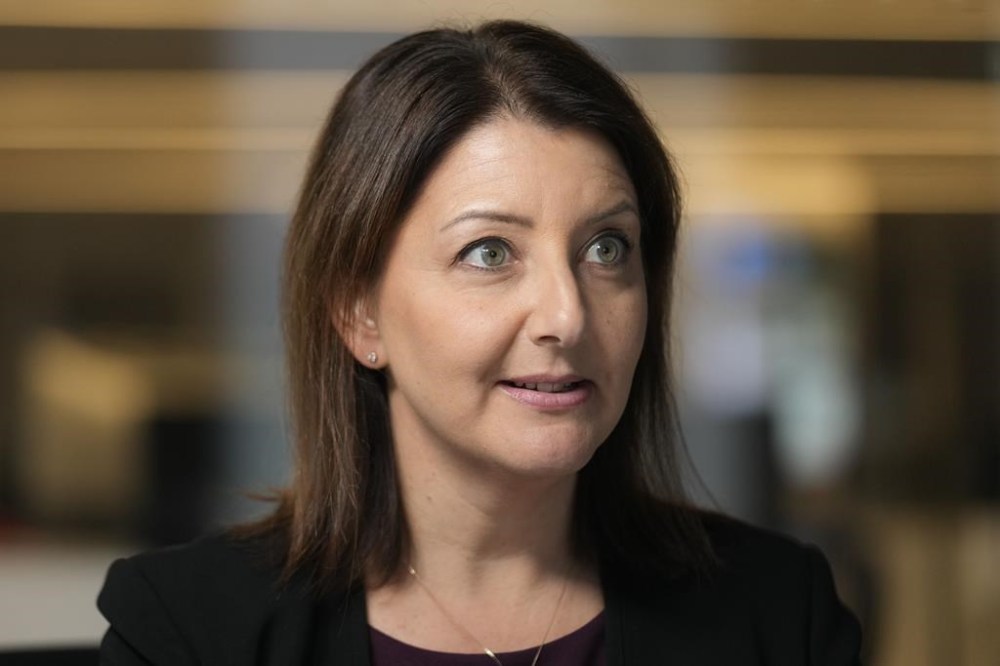
“We need to continue to do our global work at CDC to make sure we are stopping outbreaks at their source,” Dr. Mandy Cohen, director of the Centers for Disease Control and Prevention, said in an interview Monday with The Associated Press. “We need to keep that funding up. We need to keep the expertise up. We need to keep the diplomacy up.”
Cohen, 46, will be leaving office in January after about 18 months in the job. President-elect Donald Trump on Friday night said he picked Dave Weldon, a former Congressman from Florida, to be the agency’s next chief.
Cohen said she hasn’t met Weldon and doesn’t know him. She previously voiced concern about Robert F. Kennedy Jr., the anti-vaccine advocate and CDC critic nominated to oversee all federal public health agencies.
The CDC, with a $9.2 billion core budget, is charged with protecting Americans from disease outbreaks and other public health threats. The staff is heavy with scientists — 60% have master’s degrees or doctorates.
The last eight years have been perhaps the most difficult in the agency’s history. The CDC once enjoyed a sterling international reputation for its expertise on infectious diseases and other causes of illness and death. But trust in the agency fell because of missteps during the early days of the COVID-19 pandemic, political attacks and resistance to infection-prevention measures like wearing masks and getting vaccinated.
The CDC has four political appointees, out of about 13,000 employees. The rest serve no matter who is in the White House, with civil service protections against efforts to fire them for political reasons.
Trump said during the campaign that he wants to convert many federal agency positions into political appointments, meaning those employees could be hired and fired by whoever wins the election.
There’s also a proposal to split the agency in two: one to track disease data, and another focused on public health but with a limited ability to make policy recommendations.
And then there’s a current budget proposal in Congress that would cut the agency’s funding by 22%. It would also eliminate the CDC’s National Center for Injury Prevention and Control, which works on topics like drownings, drug overdoses, suicides and and shooting deaths.
Cohen said there’s reason to be proud of the agency’s work in recent years. The CDC has built partnerships to improve the availability of testing for different infections and to watch for signs of disease outbreaks by monitoring wastewater. There are emerging threats, as always, but no new, full-fledged public health emergencies, she said.
The day after the Nov. 5 election, Cohen emailed CDC employees to urge them to keep going.
“While the world may feel different with changes ahead — our mission has not changed,” she wrote.
She said she’s not aware of any wave of worried CDC scientists heading for the doors because of the election results.
“There is a difference between campaigning and governing,” she said. “I want to go into this in a way that we’re passing the baton.”
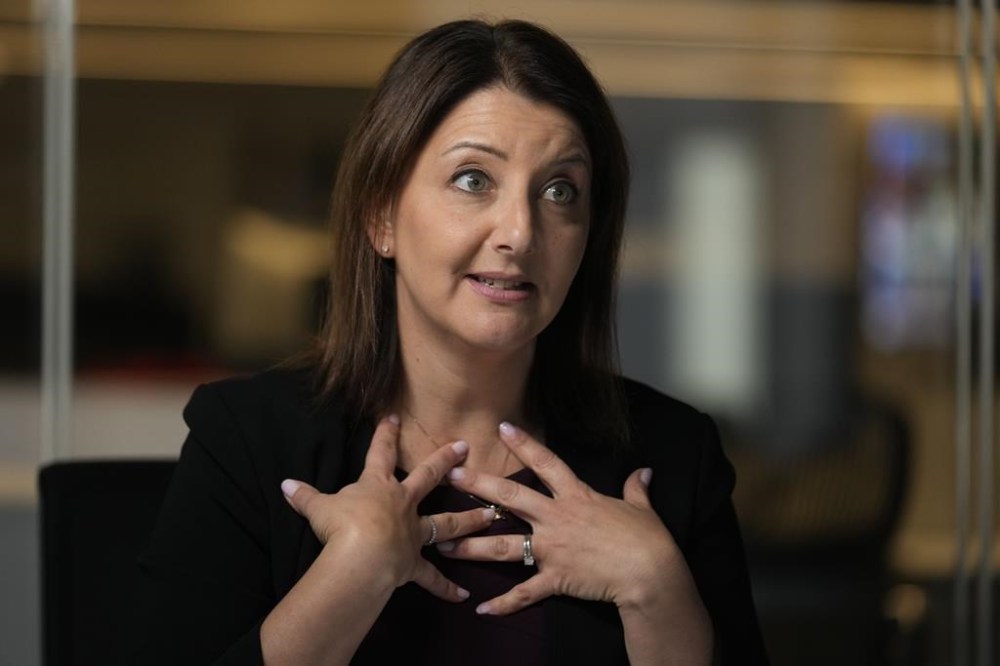
Cohen said she doesn’t know what she’ll do next, other than spend time with her family in Raleigh, North Carolina, where her family maintained its residence while she ran the agency.
Next year, for the first time, the CDC director will be subject to Senate confirmation, which could make for a gap before Trump’s pick takes the helm. CDC Deputy Director Dr. Debra Houry has been assigned to help manage the transition.
Aside from administration transition, the CDC has to face several looming threats.

Officials this month confirmed the first U.S. case of a new form of mpox that was first seen in eastern Congo.
There’s also the ongoing stream of bird flu cases, most of them mild illnesses seen in farmworkers who were in direct contact with infected cows or chickens. CDC officials say they believe the risk to the public remains low and that there’s no evidence it’s been spreading between people.
“I don’t think we’re yet at a turning place. But does that mean it couldn’t change tomorrow? It could,” she said.
___
The Associated Press Health and Science Department receives support from the Howard Hughes Medical Institute’s Science and Educational Media Group. The AP is solely responsible for all content.