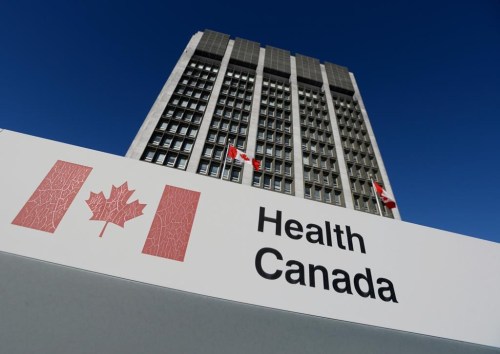
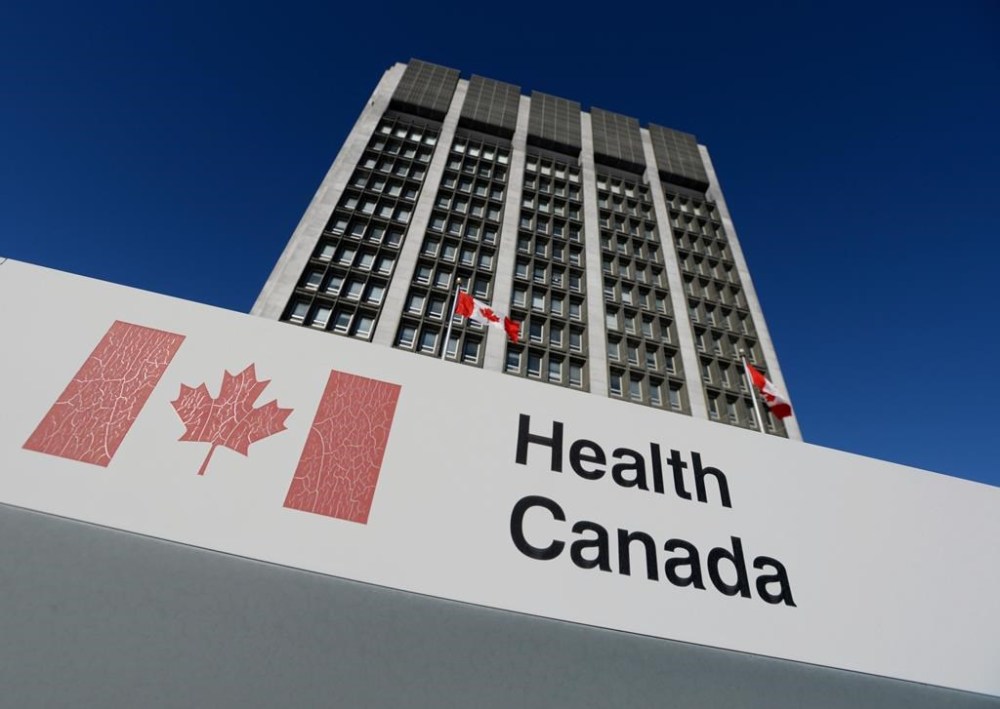
Health Canada gets rabies vaccine shipment as Ontario sees shortage, increased demand
Advertisement
Read this article for free:
or
Already have an account? Log in here »
To continue reading, please subscribe:

Digital Subscription
One year of digital access for only $205*
- Enjoy unlimited reading on winnipegfreepress.com
- Read the E-Edition, our digital replica newspaper
- Access News Break, our award-winning app
- Play interactive puzzles
*First annual payment billed as $205.00 + GST for one year. This annual subscription will automatically renew at $233.00 + GST every 52 weeks (10% off the regular annual price of $259.35). Offer available to new and qualified returning subscribers only. Cancel any time.
To continue reading, please subscribe:
Add Free Press access to your Brandon Sun subscription for only an additional
$1 for the first 4 weeks*
- Enjoy unlimited reading on winnipegfreepress.com
- Read the E-Edition, our digital replica newspaper
- Access News Break, our award-winning app
- Play interactive puzzles
*Your next Brandon Sun subscription payment will increase by $1.00 and you will be charged $17.95 plus GST for four weeks. After four weeks, your payment will increase to $24.95 plus GST every four weeks.
Read unlimited articles for free today:
or
Already have an account? Log in here »
Hey there, time traveller!
This article was published 23/01/2025 (624 days ago), so information in it may no longer be current.
TORONTO – Health Canada has received more units of the rabies vaccine and expects they will be distributed by the end of the month as Toronto continues to ration its doses amid a shortage.
An increase in demand for the vaccine following the death of an Ontario child that came in contact with a bat last fall has led to a strain on the supply in Ontario, officials say.
The two rabies vaccines approved in Canada, RabAvert and Imovax Rabies, have both experienced shortages in recent months. RabAvert said a rise in demand is to blame while Imovax has been dealing with packaging delays at its manufacturing facility in France.
Toronto Public Health said they’ve observed a “general increase in interest” for the vaccine since the child’s death in Brantford, Ont. last October –the first domestically acquired case in the province since 1967.
Afterwards, health experts encouraged anyone who had a potential exposure to seek medical attention, even if they didn’t have a visible scratch or bite, because of how easily the disease can be transmitted by the animal.
Last Friday, the city’s health officials instructed doctors to conserve the doses they have left for people with high-risk exposures to bats and wild animals.
Ontario’s ministry of health said it is working with federal partners to secure more doses while most of the other provinces told the Canadian Press they’ve had sufficient supply.
A spokesperson for Health Canada said it has received 32,000 doses of Imovax vaccines, from Sanofi Pasteur, and that the federal agency is currently going through its standard safety, efficacy and quality evaluation process to make sure the vaccine meets safety standards.
A shortage of RabAvert, from Bavarian Nordic, is expected to end Feb. 14.
Karinne Lacombe, Bavarian Nordic’s director in Canada, said, “More people who are understandably concerned about rabies but have not been exposed to the virus are seeking vaccines in the wake of last year’s tragic death from rabies.”
Rabies is a rare viral central nervous system infection most often transmitted from an animal bite or scratch. The disease is preventable pre- and post-exposure through vaccination. Once clinical symptoms develop, such as confusion, breathing problems and seizures, rabies is almost always fatal.
Toronto public health officials said their eligibility criteria to conserve supply will stay in place until further notice. That includes only offering the vaccine to people who experience high-risk exposures, such as direct contact with bats and wild animals.
This report by The Canadian Press was first published Jan. 23, 2025.
Canadian Press health coverage receives support through a partnership with the Canadian Medical Association. CP is solely responsible for this content.
Note to readers: This is a corrected story. A previous version included a typo in a supplied quote from Bavarian Nordic. It should refer to last year’s “death,” not “deaths.”