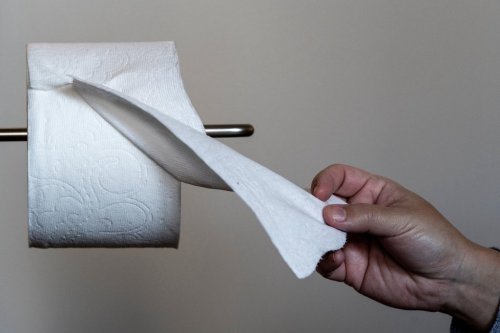
Eco-friendly toilet papers are trendy, but their actual environmental impacts vary
Advertisement
Read this article for free:
or
Already have an account? Log in here »
To continue reading, please subscribe:

Digital Subscription
One year of digital access for only $205*
- Enjoy unlimited reading on winnipegfreepress.com
- Read the E-Edition, our digital replica newspaper
- Access News Break, our award-winning app
- Play interactive puzzles
*First annual payment billed as $205.00 + GST for one year. This annual subscription will automatically renew at $233.00 + GST every 52 weeks (10% off the regular annual price of $259.35). Offer available to new and qualified returning subscribers only. Cancel any time.
To continue reading, please subscribe:
Add Free Press access to your Brandon Sun subscription for only an additional
$1 for the first 4 weeks*
- Enjoy unlimited reading on winnipegfreepress.com
- Read the E-Edition, our digital replica newspaper
- Access News Break, our award-winning app
- Play interactive puzzles
*Your next Brandon Sun subscription payment will increase by $1.00 and you will be charged $17.95 plus GST for four weeks. After four weeks, your payment will increase to $24.95 plus GST every four weeks.
Read unlimited articles for free today:
or
Already have an account? Log in here »
Hey there, time traveller!
This article was published 08/01/2026 (272 days ago), so information in it may no longer be current.
Toilet paper, a product that is used for a few seconds before being disposed of forever, is typically made with trees, energy-intensive manufacturing processes and chemicals that can pollute the environment.
Experts say more consumers are seeking toilet paper made from recycled content or sustainable materials, but it can be hard to know what to look for.
Sustainable toilet paper often costs more, but can have significant environmental benefits. According to the Environmental Paper Network, a coalition of nonprofits, more than 1 billion gallons (3.8 billion liters) of water and 1.6 million trees could be saved if every American used one roll of toilet paper made from recycled content instead of a roll made from forest fibers.
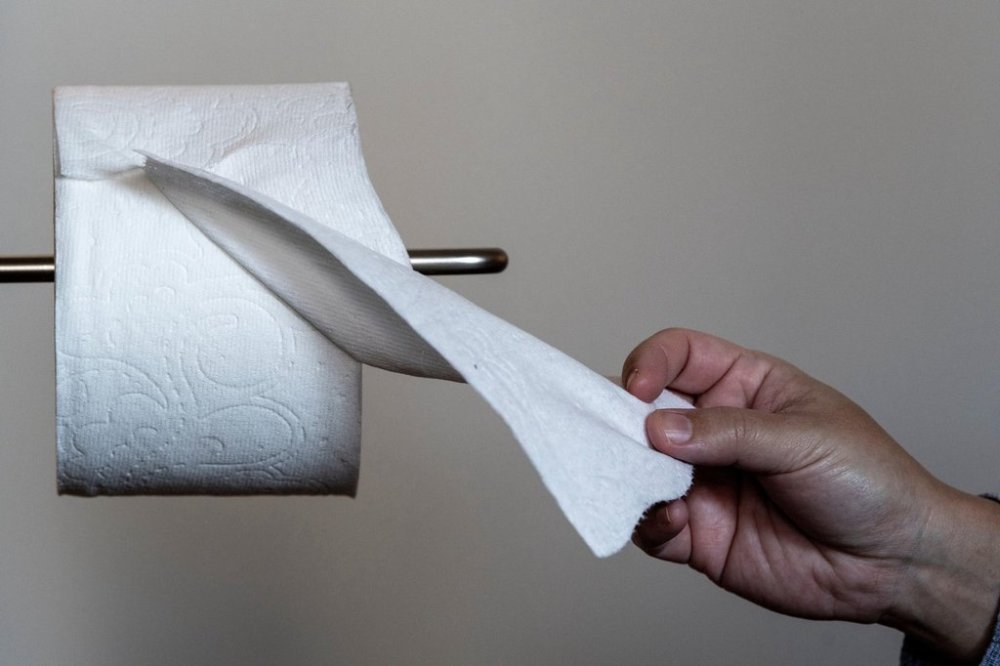
Here are some recommendations for buying sustainable toilet paper or reducing overall toilet paper use.
Toilet paper made from recycled fibers
North American toilet paper has traditionally been made from fibers from trees in Canada and eucalyptus plantations in Brazil. Pulp made from the trees is bleached to create a bright white color, but the chlorine that’s often used can hurt the environment. Large amounts of electricity and heat are used to remove moisture and form square sheets.
Increasingly, manufacturers are making toilet paper from recycled paper products, which avoids material from freshly cut trees, and are using chlorine-free bleaching techniques. Once used, toilet paper itself is flushed and not recycled.
Looking for recycled content is a good place for environmentally conscious consumers to start, said Gary Bull, professor emeritus of forest economics at the University of British Columbia. Preconsumer materials include scrap materials from manufacturing or unsold paper. Postconsumer materials come from paper products that have already been used.
Making toilet paper from postconsumer recycled fibers improves its sustainability because paper is “one of the easiest materials on the planet to recycle,” Bull said.
Evaluating sustainability claims
The best way for a scientist to evaluate the carbon footprint of an item is doing a life cycle assessment, which calculates the environmental impacts from when a tree is a seedling to when its fibers are converted into toilet paper and flushed down the drain, Bull said. But that method isn’t within reach of consumers, so advocates have undertaken third-party assessments.
Some companies add those labels to packaging to show that their processes have been vetted. Bull said labels on bath tissue from the Forest Stewardship Council or the Sustainable Forestry Initiative indicate the company is making scientifically-proven efforts to be sustainable. Both groups’ standards include conserving water, wildlife, and biodiversity as well as compliance with applicable forestry laws to keep ecosystems healthy.
The nonprofit Natural Resources Defense Council also publishes an annual report that grades toilet papers from A+ to F, with the highest-ranked products being unbleached or bleached without chlorine, containing recycled content and avoiding harmful forestry practices. Aria, Green Forest, Natural Value, Trader Joe’s and Whole Foods 365 100% Recycled received the highest letter grade in 2025, with all made entirely from recycled materials.
The “The Issue with Tissue” report was launched in 2019, and NRDC corporate campaign advocate Ashley Jordan said she has noticed dozens of sustainable toilet paper brands have emerged over the last six years.
Kory Russel, assistant professor of landscape architecture and environmental studies at the University of Oregon, said that when people purchase a sustainable product it sends a message to corporations to make more eco-friendly products available.
Sustainable toilet paper brands typically cost more per square foot than conventional products. But Russel said prices will likely drop if consumers continue buying it and manufacturers expand production.
“If more people are buying sustainable toilet paper and demanding it, there should be economies of scale and prices should fall to match that of conventional toilet paper,” he said.
Mark Pitts, executive director of tissue at the American Forest & Paper Association, whose members include large toilet paper manufacturers such as Kimberly-Clark Corporation and Georgia-Pacific, told The Associated Press that sustainability is a core industry focus and members have reported reductions of greenhouse gas emissions along the supply chain. He said that members follow responsible forestry practices and have increased their use of recycled material.
Bamboo, alternative materials and energy
Alternative materials such as fast-growing bamboo are often billed as more sustainable than toilet paper made from trees, but consumers should focus on toilet paper made with recycled materials instead, said Ronalds Gonzalez, an associate professor at North Carolina State University and expert on fibers used in the hygiene industry.
Gonzalez said pollution from manufacturing processes can reduce the benefits of using bamboo. Gonzalez recently co-authored a study that found bamboo toilet paper made in China that is available in the U.S. had a higher environmental impact than toilet paper made in the U.S. with imported forest fibers, largely because Chinese manufacturers use electricity generated by coal. The study found the bamboo toilet paper’s environmental impacts could be reduced when it was produced in regions that use renewable energy.
Bidets can remove the need for toilet paper

Bidets are devices that allow people to rinse after using the bathroom so they can reduce or avoid wiping. They’re another way people can reduce their toilet paper use.
Bidets, which are popular in Europe, can be a separate wash basin or a device added to toilets that generate a stream of water. Some people still use a small amount of toilet paper to dry off. Bidets that can be attached to your toilet and don’t use electricity can cost around $30, while toilet seats with fancy options such as heated water and air dryers can exceed $600. Some bidets require a plumber or contractor to install.
Bidets are a sustainable alternative to conventional toilet paper because “you’re not using any sort of logging, it’s water that’s already coming to your household and it’s very little water,” Russel said.
___
The Associated Press’ climate and environmental coverage receives financial support from multiple private foundations. AP is solely responsible for all content. Find AP’s standards for working with philanthropies, a list of supporters and funded coverage areas at AP.org.