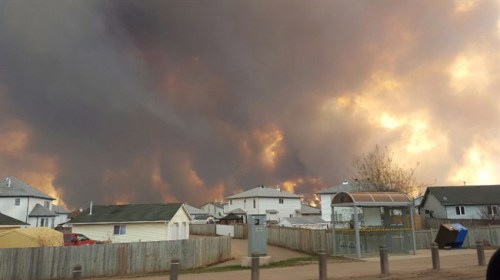
Humans are leading cause of wildfires in Canada: scientist
Advertisement
Read this article for free:
or
Already have an account? Log in here »
To continue reading, please subscribe:

Digital Subscription
One year of digital access for only $205*
- Enjoy unlimited reading on winnipegfreepress.com
- Read the E-Edition, our digital replica newspaper
- Access News Break, our award-winning app
- Play interactive puzzles
*First annual payment billed as $205.00 + GST for one year. This annual subscription will automatically renew at $233.00 + GST every 52 weeks (10% off the regular annual price of $259.35). Offer available to new and qualified returning subscribers only. Cancel any time.
To continue reading, please subscribe:
Add Free Press access to your Brandon Sun subscription for only an additional
$1 for the first 4 weeks*
- Enjoy unlimited reading on winnipegfreepress.com
- Read the E-Edition, our digital replica newspaper
- Access News Break, our award-winning app
- Play interactive puzzles
*Your next Brandon Sun subscription payment will increase by $1.00 and you will be charged $17.95 plus GST for four weeks. After four weeks, your payment will increase to $24.95 plus GST every four weeks.
Read unlimited articles for free today:
or
Already have an account? Log in here »
Hey there, time traveller!
This article was published 04/05/2016 (3799 days ago), so information in it may no longer be current.
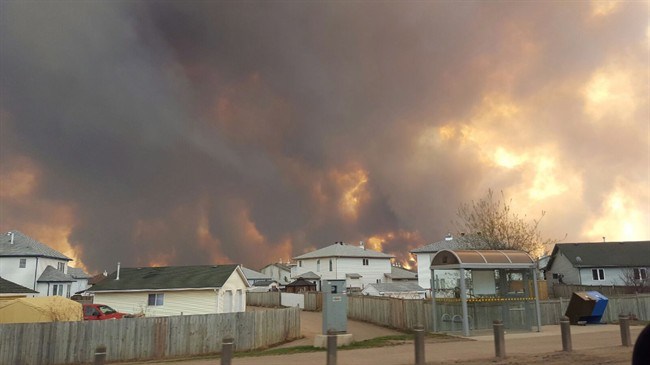
Humans are the leading cause of wildfires in Canada, says a forest fire researcher who believes the latest blaze that has ripped through parts of Fort McMurray, Alta., is no exception.
Mike Flannigan, a professor of wildland fires at the University of Alberta, says the fire’s proximity to the city, as well as data that shows there were no lightning strikes in the area, lead him to believe the cause of the fire was likely human.
“And in spring it’s heavily loaded on the side of people-caused fires,” Flannigan said.
An average of 1,200 wildfires are reported in Alberta each year, and half of those fires are caused by humans, according to the National Fire Database. Lightning is the second-leading cause with 47 per cent.
Officials were still investigating the cause of the latest fire, which remained out of control on Wednesday as it raged around Fort McMurray, a city of about 80,000 people located 435 kilometres northeast of Edmonton.
However, Flannigan said weather conditions in Western Canada have been perfect for wildfires as the warm, dry winter has led to an abundance of dead, dry leaves and wood ready to light up.
“It’s really extreme conditions,” he said, adding that the low humidity and lack of green vegetation combined with windy conditions contributed to the incredibly intense fire in the northern Alberta city.
“Spring fires are common after the snow melts and before things green up and get lush,” Flannigan said.
“There is a two- or three-week window where they occur.”
He said the biggest variable at this point is the wind, which gusted up to 40 km/h on Tuesday, the day the city was evacuated.
“Shifting winds is a challenging problem for fighting fires,” he said. “You want people to be safe and this includes the firefighters and you don’t want to put them in harm’s way.”
A pilot died in 2011 when his firefighting helicopter crashed near Slave Lake, Alta., and another pilot died last year in a water-bomber crash while fighting a wildfire near Cold Lake, Alta. However, there have been no civilian fatalities because of a forest fire since 1938, said Tim Lynham, a forest fire researcher with Natural Resources Canada.
Scientists, however, are worried about the future.
Forest fires are a natural phenomenon, Lynham said, and are beneficial ecologically, returning valuable nutrients to the soil that helps a natural rebirth. He said fires naturally occur in forests every 150 to 250 years.
“But the fires are happening more often so forests might not be able to cope with that and might not be able to regenerate properly,” Lynham said.
Scientists at Natural Resources Canada predict forest fires will double within 50 to 100 years.
Note to readers: This is a corrected story. A previous version had an incorrect surname for Mike Flannigan
338178_high.jpg?w=100)
Advertisement Advertise With Us
Advertisement Advertise With Us