Quebec wilderness outfitters hit hard by Quebec fires and forest access ban
Advertisement
Read this article for free:
or
Already have an account? Log in here »
To continue reading, please subscribe:

Digital Subscription
One year of digital access for only $205*
- Enjoy unlimited reading on winnipegfreepress.com
- Read the E-Edition, our digital replica newspaper
- Access News Break, our award-winning app
- Play interactive puzzles
*First annual payment billed as $205.00 + GST for one year. This annual subscription will automatically renew at $233.00 + GST every 52 weeks (10% off the regular annual price of $259.35). Offer available to new and qualified returning subscribers only. Cancel any time.
To continue reading, please subscribe:
Add Free Press access to your Brandon Sun subscription for only an additional
$1 for the first 4 weeks*
- Enjoy unlimited reading on winnipegfreepress.com
- Read the E-Edition, our digital replica newspaper
- Access News Break, our award-winning app
- Play interactive puzzles
*Your next Brandon Sun subscription payment will increase by $1.00 and you will be charged $17.95 plus GST for four weeks. After four weeks, your payment will increase to $24.95 plus GST every four weeks.
Read unlimited articles for free today:
or
Already have an account? Log in here »
Hey there, time traveller!
This article was published 06/06/2023 (1209 days ago), so information in it may no longer be current.
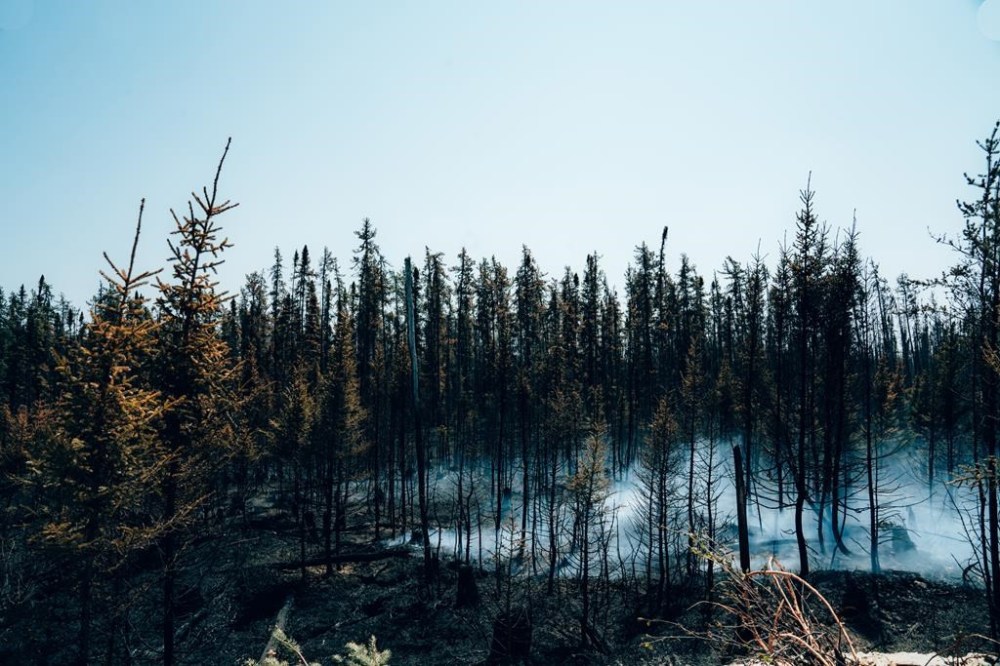
MONTREAL – Quebec’s massive forest fires have forced most of the province’s wilderness outfitters to shut down during one of their busiest seasons.
While some have been closed due to active fires, dozens of others have been forced to cancel reservations by a government order limiting access to forests in much of the province.
Dominic Dugré, the president of Fédération des pourvoiries du Québec, an industry association, said that of the more than 500 outfitters who operate in Quebec’s forests, 350 have been forced to close.
“These are the best weeks of the year,” he said in an interview Tuesday. “It’s the peak for trout fishing, walleye, bear hunting, so those are precious weeks for the profitability and sustainability of the operations.”
Dugré said only one outfitter’s operation has been confirmed to have burned, but it’s impossible to know whether others in the fire zones have been damaged or destroyed.
“There is insurance for the infrastructure, but there’s no insurance for the loss of revenue, and we’re talking about thousands and thousands of dollars each day,” he said. “So, if the situation is still here in two weeks, we’re talking about hundreds of thousands of dollars for a single outfitter.”
While some hunters and anglers might be able to return later in the year, or change their bookings to next spring, he expects most will ask for refunds.
Dugré said he hopes there will be government compensation for the lost revenue. “An unprecedented situation needs unprecedented remedies and support,” he said.
Gilles Trudel, who owns Wetetnagami Outfitter, around 80 kilometres from the evacuated town of Lebel-Sur-Quévillon, said he doesn’t know whether his seven camps are still standing.
Trudel said he left the area along with his customers and staff on Thursday, at the recommendation of Quebec’s forest fire prevention service, SOPFEU. As of Saturday evening, access to the area and many other forests was restricted by the provincial government.
“At the moment, I don’t know, because we don’t have road access, so we can’t go there. We can’t fly over in a plane because of the smoke. I was in contact with SOPFEU and they’re not flying over our sector anymore because they’re concentrating their efforts on areas where people live, like Lebel-sur-Quévillon and Normétal,” he said.
June is his busiest month and peak fishing season, so the fires are a blow to his business. “The longer it goes on, the more it threatens,” he said. “We had three years of pandemic and now we’re hit again. It’s very difficult.”
He, too, thinks there should be government aid for those affected by the fires, like there was for those affected by recent flooding in the province. “It’s also a natural disaster. They should help people who are affected by the forest fires,” Trudel said.
Asked about aid for outfitters, Quebec Natural Resources Minister Maïté Blanchette Vézina called the situation “exceptional” and said the government is reviewing existing support programs.

“We don’t want to let regional economies down,” she told reporters in Quebec City. “We will adapt quickly by adjusting our measures.”
In Clova, Que., a small hamlet around 325 kilometres northwest of Montreal, residents and firefighters — along with a change in weather conditions — combined to avert disaster from a forest fire on Monday. But Jean-Lou Simard, co-owner of Caesars North Camps, said his fly-in fishing and hunting operations run out of the community are still in jeopardy.
“As to how long this is going to last, I have the impression that we’re talking about weeks, plural, so it’s another heavy blow for us, there’s no doubt,” he said in an interview.
Many outfitters operate in Crown land zones that are managed by local non-profits, known as ZECs. Guillaume Ouellet, the president of the association that represents those groups, said that of the 63 zones in the province, 53 are in forests that have been closed. He said he was aware of active fires in just five zones as of Tuesday afternoon.
This report by The Canadian Press was first published June 7, 2023.