B.C.’s agriculture industry at forefront of climate change reality
Advertisement
Read this article for free:
or
Already have an account? Log in here »
To continue reading, please subscribe:

Digital Subscription
One year of digital access for only $205*
- Enjoy unlimited reading on winnipegfreepress.com
- Read the E-Edition, our digital replica newspaper
- Access News Break, our award-winning app
- Play interactive puzzles
*First annual payment billed as $205.00 + GST for one year. This annual subscription will automatically renew at $233.00 + GST every 52 weeks (10% off the regular annual price of $259.35). Offer available to new and qualified returning subscribers only. Cancel any time.
To continue reading, please subscribe:
Add Free Press access to your Brandon Sun subscription for only an additional
$1 for the first 4 weeks*
- Enjoy unlimited reading on winnipegfreepress.com
- Read the E-Edition, our digital replica newspaper
- Access News Break, our award-winning app
- Play interactive puzzles
*Your next Brandon Sun subscription payment will increase by $1.00 and you will be charged $17.95 plus GST for four weeks. After four weeks, your payment will increase to $24.95 plus GST every four weeks.
Read unlimited articles for free today:
or
Already have an account? Log in here »
Hey there, time traveller!
This article was published 28/08/2023 (1136 days ago), so information in it may no longer be current.
CALGARY – With more than 400 active wildfires still burning in B.C. and many residents yet to return to their homes, it’s too early to know the fate of the province’s honeybees.
But that hasn’t stopped Heather Higo, president of the B.C. Honey Producers’ Association, from worrying about the small buzzing pollinators and the farmers who care for them.
“I’m hoping not too many beekeepers have been affected by these fires, but I have a sinking feeling there’s probably quite a few that have been,” she said in a recent interview.
“Bees are typically located in out-regions away from where you would have your dwelling, so it’s difficult to assess immediately what exactly has been lost.”
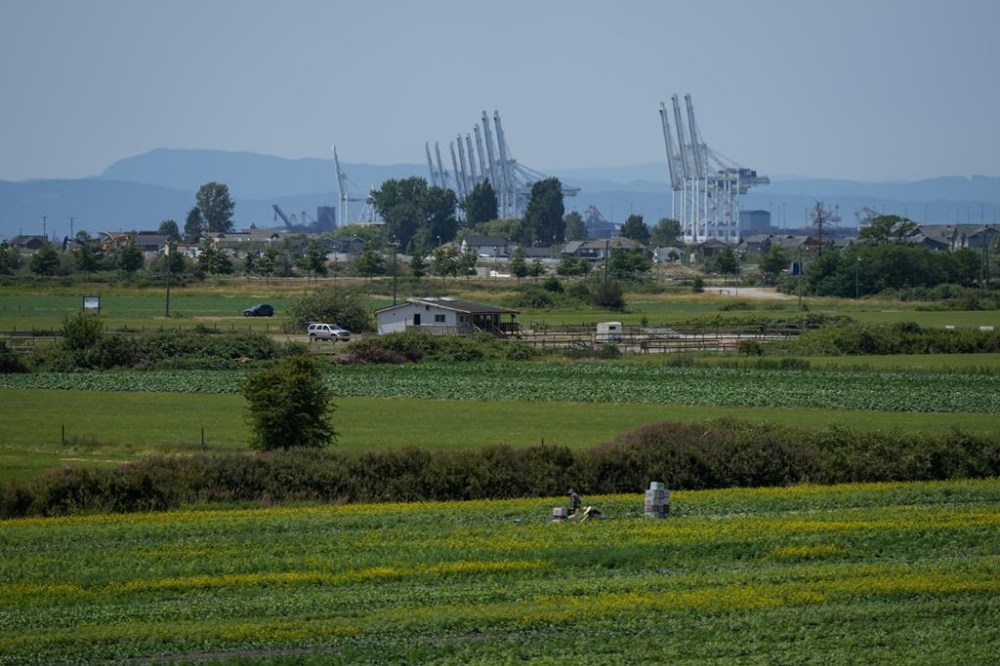
From cattle ranchers to fruit growers to beekeepers to winemakers, producers in B.C. are still trying to get a clear picture of the damages wrought by the ongoing fires in the Okanagan, Similkameen and Shuswap regions of the province.
But what they do know is that extreme weather-related events have been intensifying in recent years — and many farmers are growing increasingly anxious.
“I’m becoming more and more concerned every year,” said Higo, adding prior to the fires this year, the massive flooding that affected B.C.’s Fraser Valley in 2021 took out land that had been used by commercial beekeepers for decades.
“I think it’s all really exacerbated by climate change. And I’m very concerned about our future, with the events that we’re seeing now.”
Because of its warm climate, B.C. has a unique agriculture industry. The province’s farmers grow fruit and vegetables that won’t grow in other parts of Canada, including the cherries, peaches, pears and plums that have brought fame to the Okanagan region now affected by wildfire.
B.C. also boasts Western Canada’s only major winery regions, and wine is a major driver of tourism.
But B.C. has also recently become an epicentre of climate change-fuelled extreme weather in Canada. In the last three years, B.C. farmers have suffered through drought, extreme heat, flooding and fires.
Smoke too, has been a problem, with an increasing number of smoky days that pose health risks to farm workers and damage crops by reducing the number of sunny days. Smoke can even negatively impact wine grapes and spoil the flavour of wine, depending on the time of year and the specific conditions in which smoke is present.
“It’s been challenging. We’ve had back-to-back years of floods, fires and heat domes. It’s affected the whole ag industry in B.C.,” said Brian Thomas, who sits on the board of the B.C. Agriculture Council.
Thomas, who is also a cattle rancher in Okanagan Falls, hasn’t been affected by the wildfires this summer. But in 2021, a fire scorched some of his pasture land and burned fencing on his property.
Drought has also been an ongoing issue at his ranch, he said. He added he’s concerned about intensifying droughts in the future, given that much of the B.C. Interior is already so dry that most farmers rely heavily on irrigation.
“The biggest concern is the water issue. If we don’t have the water dedicated to agriculture, we don’t have much of an agriculture industry at all in British Columbia,” Thomas said.
Lindsay Kelm, spokeswoman for Wine Growers British Columbia, said the wildfires this summer have not only had an impact on wine tourism, but also the livelihoods of winery staff, many of whom have been forced from their homes.
She said while it’s too early to know how the fires will impact this vintage for producers in the impacted regions, the B.C. wine industry has already taken a number of extreme weather-related hits in recent years. Among the most devastating was an unprecedented and prolonged cold snap in December of last year in the South Okanagan, Kelowna and Similkameen Valley regions.
“Because of that, we learned in the spring that we had already lost 36 to 56 per cent of the overall crop,” Kelm said.
“So we certainly were already going into this year with a little bit of a smaller crop and we’re hoping that these wildfire events haven’t impacted it further.”
Because climate-related events are increasing in frequency and severity in B.C., Kelm said winemakers have been lobbying for additional provincial money to be set aside for agricultural disaster relief programs. One existing program is a $15-million replant program announced last spring that provides money for growers to replace damaged vines.
B.C. also offers an “extreme weather preparedness for agriculture” program, which provides funding for farmers looking to increase their resilience to climate change. Through the program, farmers can invest in sprinklers and fire-resistant building materials, flood-resilient feed storage, shade trees and enhanced watering systems for livestock, and more.
Kelm said B.C.’s agriculture sector has been adapting to the impacts of climate change already, and will continue to do so. But she said it will require additional government support in the years to come.
“Farming was never for the faint of heart, but it seems like now more than ever, it’s becoming increasingly challenging,” she said.
This report by The Canadian Press was first published Aug. 28, 2023.
Related Articles
Canada 'trailing partners' on securing key sectors
Advertisement Advertise With Us
Advertisement Advertise With Us