Brazil Supreme Court upholds laws that led to downfall of Amazon soy moratorium
Advertisement
Read this article for free:
or
Already have an account? Log in here »
To continue reading, please subscribe:

Digital Subscription
One year of digital access for only $205*
- Enjoy unlimited reading on winnipegfreepress.com
- Read the E-Edition, our digital replica newspaper
- Access News Break, our award-winning app
- Play interactive puzzles
*First annual payment billed as $205.00 + GST for one year. This annual subscription will automatically renew at $233.00 + GST every 52 weeks (10% off the regular annual price of $259.35). Offer available to new and qualified returning subscribers only. Cancel any time.
To continue reading, please subscribe:
Add Free Press access to your Brandon Sun subscription for only an additional
$1 for the first 4 weeks*
- Enjoy unlimited reading on winnipegfreepress.com
- Read the E-Edition, our digital replica newspaper
- Access News Break, our award-winning app
- Play interactive puzzles
*Your next Brandon Sun subscription payment will increase by $1.00 and you will be charged $17.95 plus GST for four weeks. After four weeks, your payment will increase to $24.95 plus GST every four weeks.
Read unlimited articles for free today:
or
Already have an account? Log in here »
RIO DE JANEIRO (AP) — Brazil’s Supreme Court on Wednesday dealt a major blow to the future of the country’s soy moratorium, upholding state laws that deny tax incentives to farmers who complied with the agreement barring the purchase of soy grown on deforested Amazon land. At the same time, the court affirmed the constitutionality of the voluntary pact.
In January, major grain traders withdrew from the soy moratorium, which helped slash deforestation over its nearly two decades in effect, after top soy-producing states passed bills revoking tax benefits for participating companies.
Brazil is the world’s largest soybean producer, accounting for about 40% of global output. Much of the crop is grown in central and northern states that include parts of the Amazon biome, such as Mato Grosso, Para and Rondonia.
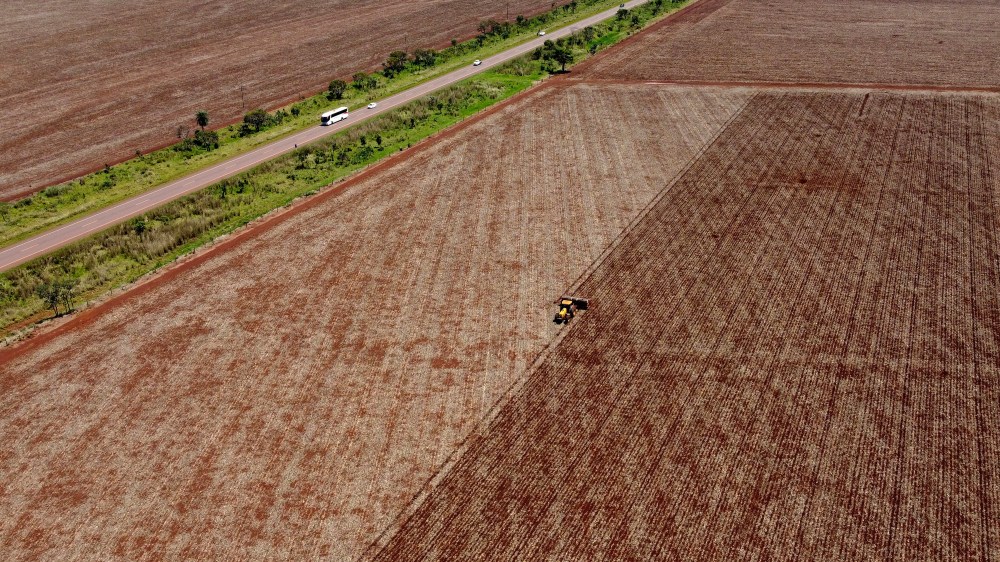
The Amazon, the world’s largest rainforest, plays a critical role in regulating the climate far beyond South America. Scientists warn that forest loss could accelerate global warming and disrupt agriculture as far away as the U.S. Midwest and parts of Europe.
The South American country produced 171.5 million metric tons of soybeans in the 2024-25 season, according to the U.S. Department of Agriculture. China was the top destination for exports, according to Brazil’s official trade data.
Launched in 2006 as a response to pressure from environmental groups and international buyers, the moratorium was a voluntary commitment rather than law. Major soy traders agreed — and the Brazilian government later endorsed — a ban on purchasing soy grown on Amazon land cleared after July 2008.
But soy producers long argued that the moratorium hurt business because it was stricter than Brazilian environmental law. Under national rules, farmers in the Amazon must preserve 80% of their land and may legally clear the remaining 20%, while the moratorium bans any deforestation, even when permitted by law.
The soy moratorium helped reduce deforestation in risk areas by 35% in the first decade since it became effective in 2006 without hurting productivity, according to a study published July in the journal Science. The end of the pact could drive up to 1.4 million hectares (3.5 million acres) of deforestation in the next decade and leave an area the size of Portugal vulnerable to legal deforestation, the study said.
After reaching record levels in the 1990s and 2000s, deforestation declined until former President Jair Bolsonaro’s 2019–2022 term, widely criticized for weakening environmental protections. Under President Luiz Inácio Lula da Silva’s administration, deforestation has fallen again, reaching its lowest levels in a decade.
Greenpeace Brazil legal coordinator Angela Barbarulo called the court’s recognition of the moratorium’s constitutionality “enormously important,” but said the ruling was undercut by its endorsement of state laws that penalize farmers and companies that adopt environmental standards beyond those required by law.
“There is an apparent contradiction between recognizing the environmental importance of the soy moratorium while simultaneously validating state laws that can weaken its effectiveness,” she said. “When it comes to protecting the Amazon, we should not allow state legislation to create loopholes or incentives that undermine environmental commitments built collectively.”
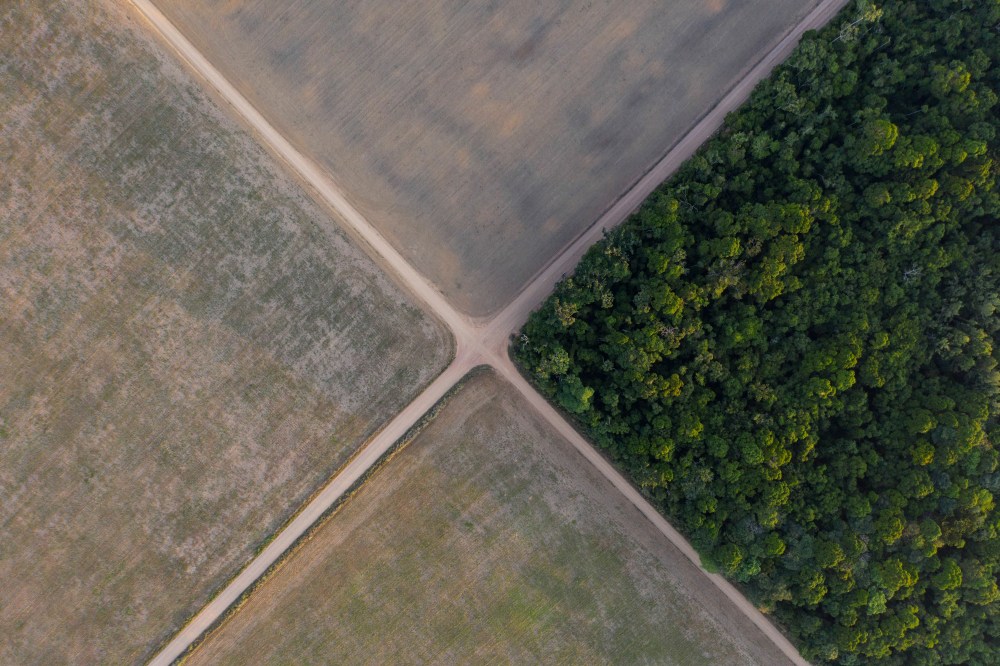
The Brazilian Association of Vegetable Oil Industries, or ABIOVE, said the Supreme Court ruling ends years of legal uncertainty and validates voluntary sustainability commitments adopted by traders. However, the group referred to the moratorium in the past tense, suggesting Wednesday’s decision is unlikely to revive the pact.
ABIOVE also said it hoped the ruling would “open a new phase of dialogue among different parts of the supply chain, with a focus on legal certainty, competitiveness and sustainability.”
The Mato Grosso Soy Producers Association, which opposed the moratorium, said in a statement that the ruling reinforced the authority of state governments to push back against private-sector measures that impose environmental restrictions beyond those required by law. It also pledged to continue fighting any future agreements that recreate the moratorium’s restrictions.
—-
The Associated Press’ climate and environmental coverage receives financial support from multiple private foundations. AP is solely responsible for all content. Find AP’s standards for working with philanthropies, a list of supporters and funded coverage areas at AP.org.