US Forest Service closing 23 research facilities as part of reorganization under Trump
Advertisement
Read this article for free:
or
Already have an account? Log in here »
To continue reading, please subscribe:

Digital Subscription
One year of digital access for only $205*
- Enjoy unlimited reading on winnipegfreepress.com
- Read the E-Edition, our digital replica newspaper
- Access News Break, our award-winning app
- Play interactive puzzles
*First annual payment billed as $205.00 + GST for one year. This annual subscription will automatically renew at $233.00 + GST every 52 weeks (10% off the regular annual price of $259.35). Offer available to new and qualified returning subscribers only. Cancel any time.
To continue reading, please subscribe:
Add Free Press access to your Brandon Sun subscription for only an additional
$1 for the first 4 weeks*
- Enjoy unlimited reading on winnipegfreepress.com
- Read the E-Edition, our digital replica newspaper
- Access News Break, our award-winning app
- Play interactive puzzles
*Your next Brandon Sun subscription payment will increase by $1.00 and you will be charged $17.95 plus GST for four weeks. After four weeks, your payment will increase to $24.95 plus GST every four weeks.
Read unlimited articles for free today:
or
Already have an account? Log in here »
BILLINGS, Mont. (AP) — The U.S. Forest Service is closing 23 research and development stations in more than a dozen states as part of an organizational overhaul under President Donald Trump that is intended to trim costs and concentrate the agency’s resources in Western states, officials said Thursday.
The work being done at the research stations will continue at other sites, Forest Service Associate Chief Chris French said in an interview. An additional 41 research facilities that faced possible closure will remain open after local officials and members of Congress raised concerns about the reorganization, which was announced in March.
“Our primary goal was to get our facilities costs under control,” French told The Associated Press. “We’re not closing any ongoing science activities. We’re not closing any of the experimental forests that are important to our researchers.”
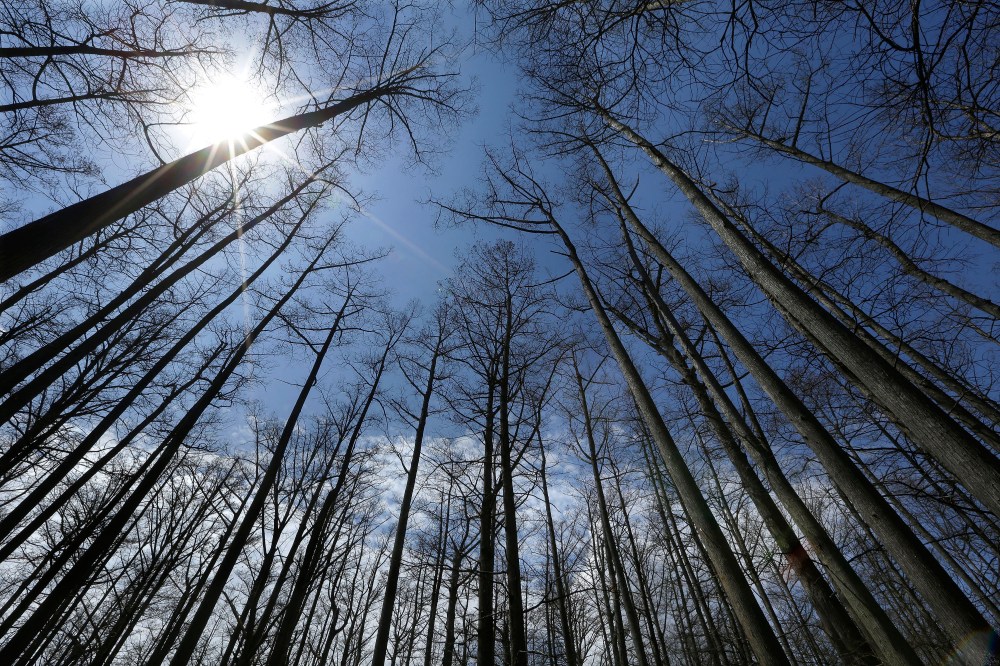
Research by forest service employees ranges from studies on invasive species and protecting water resources to how wildfires are changing as climate change dries out and heats up forests.
Bill Avey of the National Associated of Forest Service Retirees, an advocacy group, said the forest service has long struggled to pay for all its facilities and some opportunities for consolidation exist. But Avey, who worked at the service for four decades, said its current leaders including Chief Tom Schultz need to defend the importance of forest research more vocally.
“He should be doing a much better job of pushing back and justifying and explaining some of the research work,” Avey said. He added that the 41 facilities being retained likely would have closed as well if not for pushback from his group and others.
The 95 employees at the research stations slated for closure will be shifted to other sites within their commuting areas, Forest Service Communications Director Chad Douglas said. The closures — along with previously announced plans to shut regional offices in Atlanta, Milwaukee and Portland — will save about $16 million, officials said.
The reorganization also includes moving the agency’s headquarters from Washington to Salt Lake City. Agriculture Secretary Brooke Rollins has said the move, expected to be completed by next summer, will bring leaders closer to the landscapes they manage and the people who depend on them.
Conservation groups have criticized the changes, warning that they could reduce access to forests and threaten wildlife habitat and clean air and water.
Federal data shows that the Forest Service has lost about 6,000 employees, or about 15% of its workforce, during Trump’s second term as part of the Republican administration’s sweeping cuts to agencies that oversee the nation’s natural resources.
During Trump’s first term, he moved the Bureau of Land Management to Colorado, citing many of the same reasons, including a desire to put top officials closer to the public lands they oversee. Former President Joe Biden’s administration reversed course, returning the bureau’s headquarters to Washington after two years.