It’s a fig, it’s a guava, it’s… Superfruit!
These tasty -- and some not-so-tasty -- treats are packed with healthy powers
Advertisement
Read this article for free:
or
Already have an account? Log in here »
To continue reading, please subscribe:

Digital Subscription
One year of digital access for only $205*
- Enjoy unlimited reading on winnipegfreepress.com
- Read the E-Edition, our digital replica newspaper
- Access News Break, our award-winning app
- Play interactive puzzles
*First annual payment billed as $205.00 + GST for one year. This annual subscription will automatically renew at $233.00 + GST every 52 weeks (10% off the regular annual price of $259.35). Offer available to new and qualified returning subscribers only. Cancel any time.
To continue reading, please subscribe:
Add Free Press access to your Brandon Sun subscription for only an additional
$1 for the first 4 weeks*
- Enjoy unlimited reading on winnipegfreepress.com
- Read the E-Edition, our digital replica newspaper
- Access News Break, our award-winning app
- Play interactive puzzles
*Your next Brandon Sun subscription payment will increase by $1.00 and you will be charged $17.95 plus GST for four weeks. After four weeks, your payment will increase to $24.95 plus GST every four weeks.
Read unlimited articles for free today:
or
Already have an account? Log in here »
Hey there, time traveller!
This article was published 15/07/2013 (4796 days ago), so information in it may no longer be current.
While the word “superfruit” is based more in marketing than science — no single exotic juice blend is a magic bullet for better health — some fruits have more disease-fighting compounds than others. Superfruits are typically those richer in vitamins, minerals, fibre and unique plant chemicals, and consuming a variety of them may lower your risk for cancer, diabetes and heart disease.
Paul Gross, author of Superfruits and also known as the “Berry Doctor,” suggests these antioxidant-packed wonders and offers suggestions for how to incorporate them into your diet.
Mango
Brimming with vitamins A and C, the tropical fruit — as suggested by its yellow-orange hue — adds a healthy dose of beta-carotene, which promotes eye health and may help fend off cancer and heart disease.
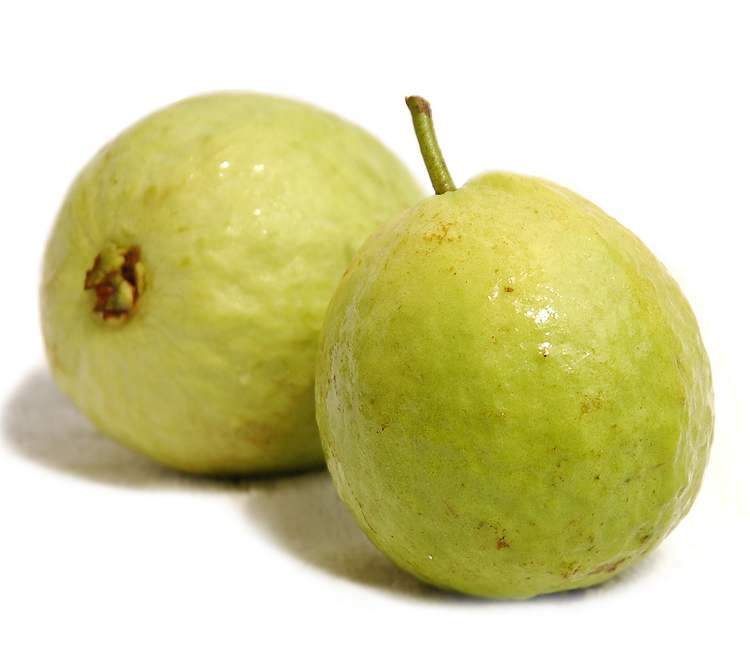
Try it: Top a bowl of oatmeal with cubes of fresh mango and low-fat vanilla yogurt; steam slices of fresh mango in a stir-fry (the heat will soften the fruit’s thick skin); add frozen mango to a smoothie; or grab dried mango pieces for a sweet on-the-go snack.
Seaberries
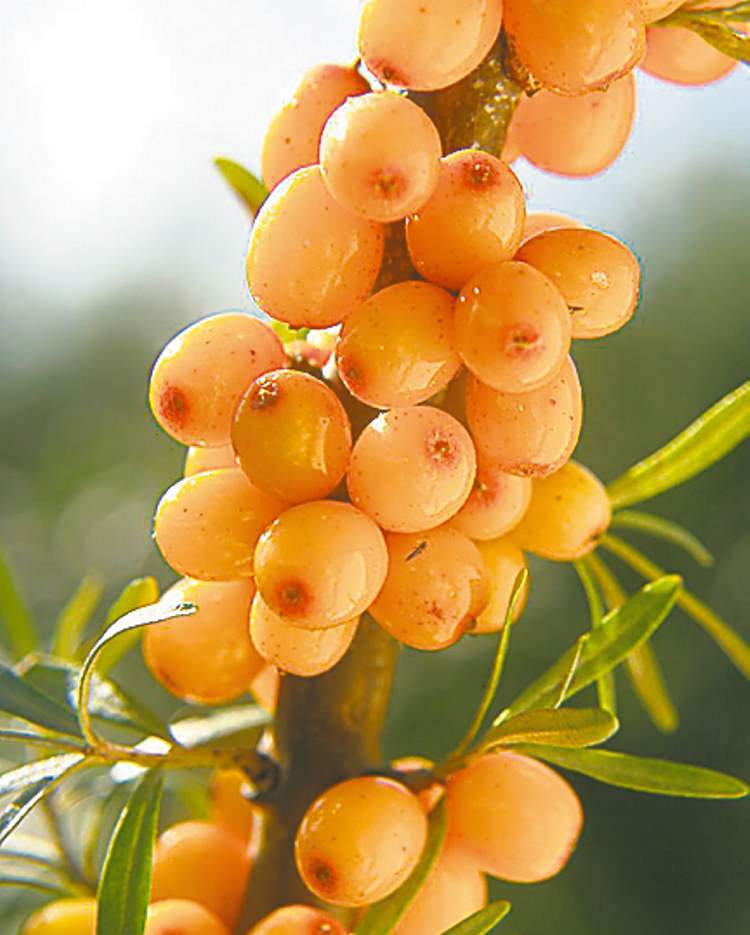
Also known as seabuckthorn, these berries are packed with vitamins A, C, and E, a powerful trio that’s a rare find in a single fruit and may help reduce your risk for cancer, cardiovascular disease and inflammation-related conditions.
Try it: Seaberries have an acidic, lemon-like flavour that makes them unpleasant to eat raw. Your best bet is to blend seaberry juice or powder into a smoothie so that other ingredients mask the superfruit’s bitter taste.
Blackcurrants
Similar in taste and appearance to raisins, though a bit smaller and less sweet, blackcurrants contain 300 per cent of your daily recommend vitamin C. They’re popular in Europe, where the dried variety is used to make hot cross buns and blackcurrant juice is added to Guinness to heighten the stout’s taste.
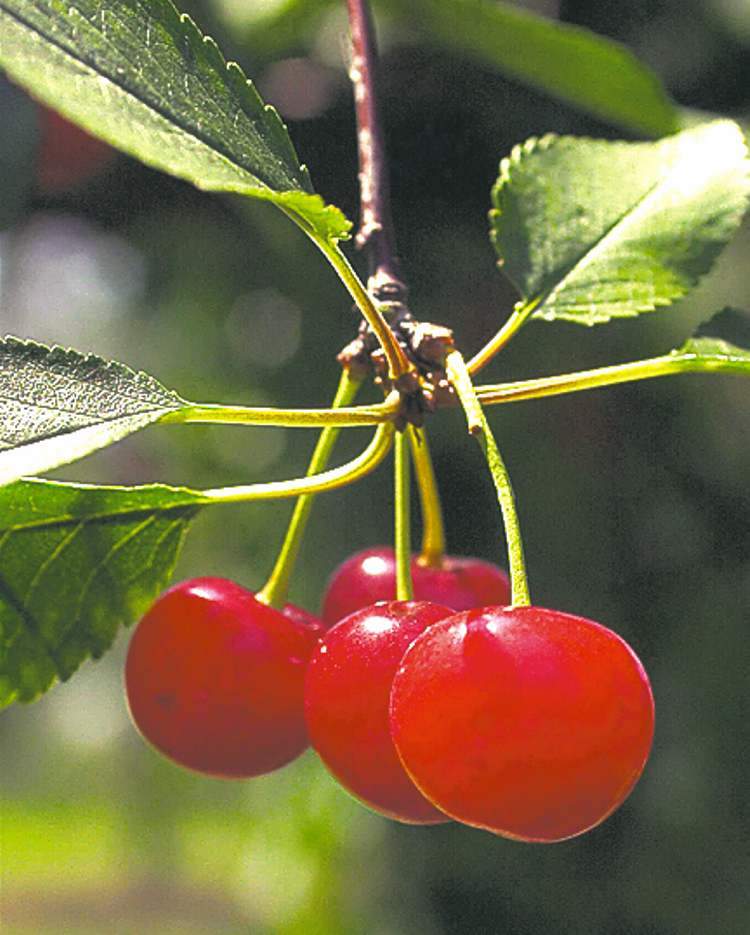
Try it: Reap the anti-inflammatory and cancer-fighting benefits a healthier way by whipping up a superfruit breakfast pita, suggests Gross. Combine half of a sliced banana, two diced and pitted dates and 1 tbsp dried blackcurrants in a bowl. Spread 2 tbsp peanut butter inside a toasted wholegrain pita and stuff with the fruit mixture.
Acai
Grown in the rainforests of Brazil and Panama, aßai berries are like extra tart blueberries, but have a much higher concentration of antioxidants than the purple fruit. While fresh aßai isn’t available in North America, powders, juice concentrates, and packs of frozen pulp can be found nationwide.
Try it: Juice blends typically contain added sugars to mask the superfruit’s unpleasant taste, so a better way to add aßai to your diet is by whipping up a smoothie. Gross suggests an aßai Brazilian blast: blend a half-cup low-fat or nonfat vanilla yogurt, a half-cup mango chunks and a half-cup aßai juice in a blender until smooth.
Guava
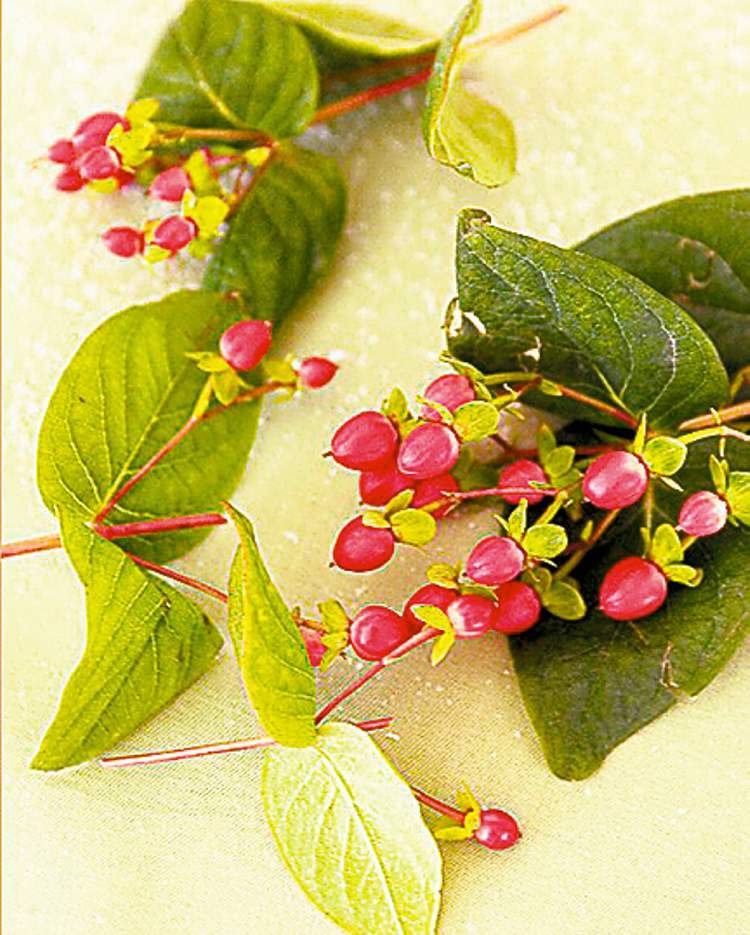
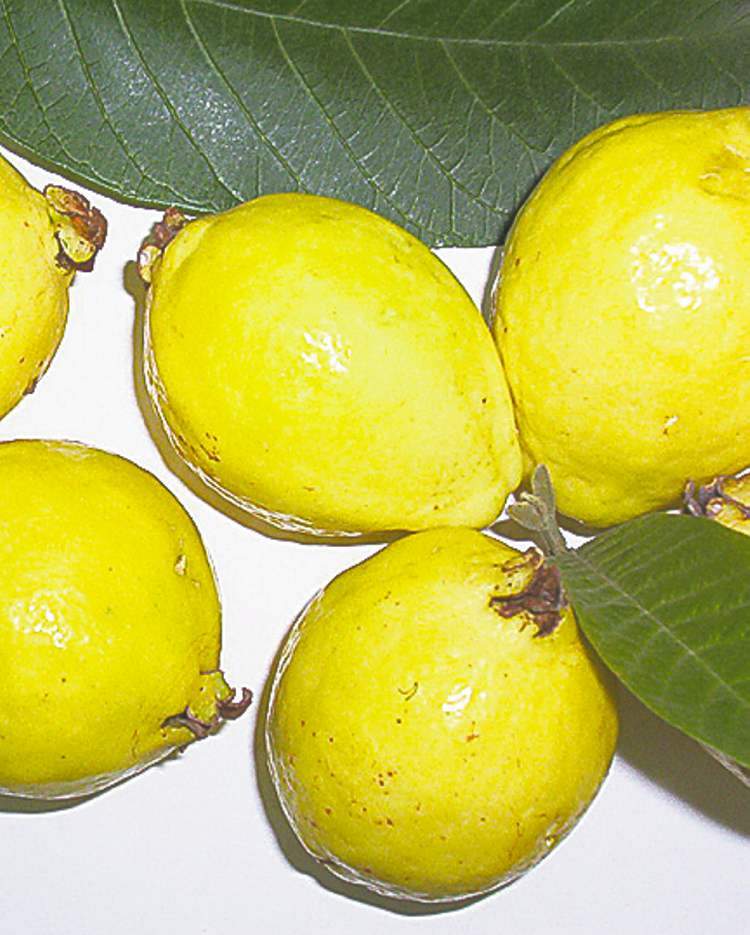
Like tomatoes, red guavas contain high concentrations of the cancer-fighting antioxidant lycopene. The tropical fruit is also a great source of potassium and vitamin C. Guavas and guava juice are popular in Central American and Caribbean cuisine, so you can find them in Latin grocery stores or at specialty supermarkets.
Try it: Sprinkle halved guavas with chopped walnuts, brown sugar, grated orange peel, and allspice, and bake or grill them for a warm dessert.
Figs
Unless you’re whipping up batches of figgy pudding or gobbling down fig newtons, this Mediterranean diet staple can help you stay slim. Unlike the way that the insoluble fibre found in fruit and vegetable skins gets flushed out of the body without being digested, the pulp inside figs contains plenty of soluble fibre. This compound binds to liquids in the stomach to form a gummy gel that makes you feel full.
Try it: Snack on whole or dried figs or mix them into homemade trail mix.
Goji berries
Goji berries, or wolfberries, have one of the highest ORAC ratings, a method of measuring antioxidant activity, of any fruit, according to researchers at Tufts University. They’re grown in China where they have been used for centuries in traditional medicine to boost eye health, but they’re not exported fresh.
Try it: Like a cross between a cranberry and a cherry, dried gojis can be eaten as-is, stirred into yogurt, sprinkled on cereal or baked into goodies such as muffins and scones.
Papaya
This tropical fruit is high in vitamins A and C, and may aid digestion. Along with a hefty amount of fibre, papayas contain two compounds, chymopapain and papain, which help the body produce enzymes necessary for breaking down protein and harmful waste, according to researchers at Cornell University.
Try it: Toss pieces of fresh papaya into a smoothie or use them to add colour and sweetness to a summer stir-fry.
Tart cherries
The antioxidants and anti-inflammatory compounds in sour cherries make them the perfect pre- or post-workout food. When students in a University of Vermont study drank 12 ounces of tart cherry juice before and after strenuous exercise, they experienced a four per cent reduction in muscle strength the next day compared with students who were given a placebo — those participants suffered a 22 per cent loss in muscle strength.
Try it: Toss fresh or frozen tart cherries into smoothies, stir them into yogurt, or eat them on top of a bowl of cereal.

Blackberries
When you see red, blue, or purple in the produce department, think polyphenols — compounds in fruit’s skin that can lower cancer risk and help reduce chronic inflammation. Although blackberries look identical to black raspberries, the larger, more bitter blackberry is the superior superfruit, as it has more antioxidants.
Try it: Eat blackberries raw and chew the seeds for added nutrients, like omega-3 fatty acids, suggests Gross. If you can’t find blackberries in the supermarket, opt for a premade smoothie, such as Bolthouse Farms’ Berry Boost, a blend of blackberries, boysenberries, raspberries, strawberries and blueberries.
— FITBIE.com
History
Updated on Monday, July 15, 2013 6:23 AM CDT: Replaces photo