Saskatchewan struggles with crystal meth addiction
Advertisement
Read this article for free:
or
Already have an account? Log in here »
To continue reading, please subscribe:

Digital Subscription
One year of digital access for only $205*
- Enjoy unlimited reading on winnipegfreepress.com
- Read the E-Edition, our digital replica newspaper
- Access News Break, our award-winning app
- Play interactive puzzles
*First annual payment billed as $205.00 + GST for one year. This annual subscription will automatically renew at $233.00 + GST every 52 weeks (10% off the regular annual price of $259.35). Offer available to new and qualified returning subscribers only. Cancel any time.
To continue reading, please subscribe:
Add Free Press access to your Brandon Sun subscription for only an additional
$1 for the first 4 weeks*
- Enjoy unlimited reading on winnipegfreepress.com
- Read the E-Edition, our digital replica newspaper
- Access News Break, our award-winning app
- Play interactive puzzles
*Your next Brandon Sun subscription payment will increase by $1.00 and you will be charged $17.95 plus GST for four weeks. After four weeks, your payment will increase to $24.95 plus GST every four weeks.
Read unlimited articles for free today:
or
Already have an account? Log in here »
Hey there, time traveller!
This article was published 12/05/2019 (2704 days ago), so information in it may no longer be current.
REGINA – It was 2015 when Cybil Cappo spent her first night of what would turn into months of getting high on crystal meth.
She had grown up in foster homes and suffered abuse. Her mother had died and she was angry. She crashed with different friends in Regina and robbed people to pay for the drug.
It was hell, she says.
“My one friend, we lived in his basement and it was November … Next thing you know it was February and I was still in that basement, like just doing meth.”
Now off meth and living in Edmonton, the 29-year-old mother said nobody seems to have the answers needed to begin to solve Saskatchewan’s growing meth problem.
Regina’s chief of police, Evan Bray, says meth addiction is driving up all categories of crime in the city.
In about 2015 — the same year Cappo started getting high on meth — the drug emerged as a widespread problem in the city, Bray says.
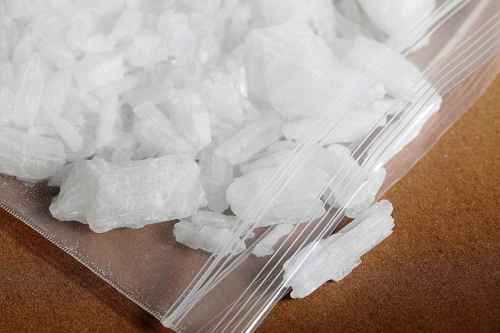
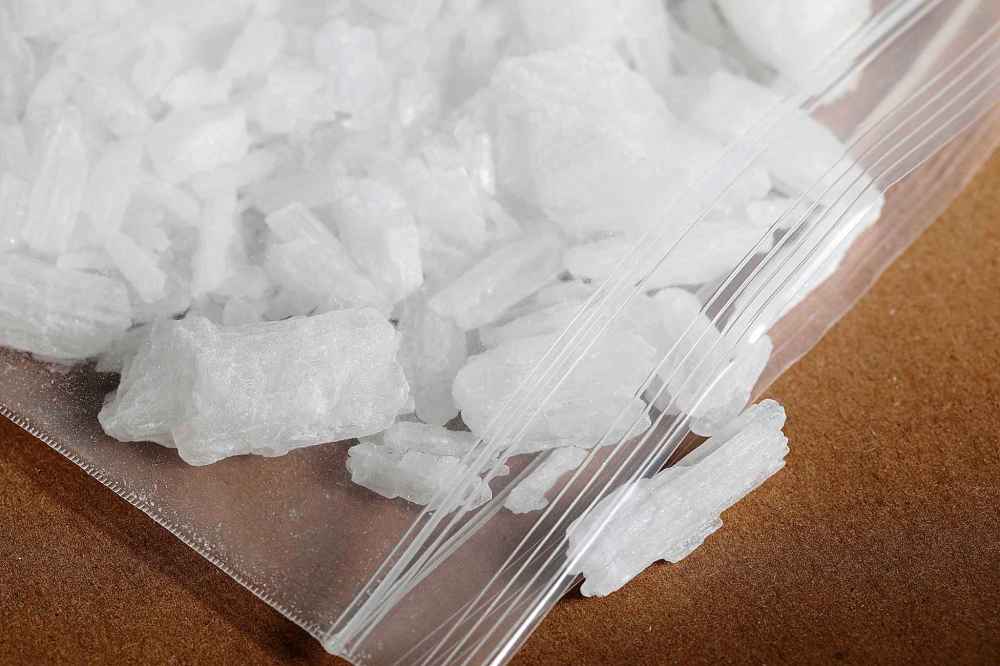
Crystal meth is relatively cheap and availability of ingredients means it’s everywhere.
“It really escalates quickly into a real community safety issue,” Bray says. “It causes people to stay awake for long hours at a time, engage in high-risk behaviour, hyper-vigilance, excessive paranoia.”
Without interventions, Bray adds, someone using meth who enters the justice system is likely to wind up in the hands of police again.
RCMP Staff Sgt. Craig Toffoli says crystal meth is mostly brought into the province from Alberta and British Columbia.
In 2015, there were 142 meth-related incidents recorded in Saskatchewan. The figure jumped last year to more than 530 offences.
Meth and crack addicts have requested pipes to more safely inhale the drug instead of injecting it at harm reduction sites, says Dr. Saqib Shahab, Saskatchewan’s chief medical health officer.
The province struggles with high rates of HIV and hepatitis C through intravenous drug use and wants to prevent needle sharing, he says.
In two months, staff have handed out more than 1,000 pipes.
Tracy Zambory, president of the Saskatchewan Union of Nurses, calls meth addicts “frequent flyers” in hospital emergency rooms.
They need long-term help that isn’t available for them, she says. Frustrated nurses also have to regularly deal with potentially violent situations.
“Someone who’s high on crystal meth is disruptive. They are unpredictable. They are dangerous. They are extremely sick.”
Kathy Willerth, director of mental health and addiction with the Ministry of Health, says the number of people entering treatment centres has remained the same, but more of them are struggling with meth addiction. And that means they’re staying in treatment or detox longer.
Willerth says it takes longer for people to detox from meth and there’s a significant risk of relapse.
The province’s health ministry says three per cent of people seeking treatment services in 2012-2013 reported a crystal meth addiction. That rose to nearly 23 per cent in 2016-17.
The province has said it will spend $30 million more on mental health and addictions this year and plans to open more treatment beds.
Cappo got off meth when she was in jail. She has been clean for about three years.
She’s now studying to work with people with addictions, but plans to stay away from Regina because the people from her past are still using.
“I made a lot of enemies and I’ve hurt a lot of people,” she says.
“But change is possible. And I’m proof of it.”