Energy Star, efficiency program that has steered consumer choice, targeted in cuts
Advertisement
Read this article for free:
or
Already have an account? Log in here »
To continue reading, please subscribe:

Digital Subscription
One year of digital access for only $205*
- Enjoy unlimited reading on winnipegfreepress.com
- Read the E-Edition, our digital replica newspaper
- Access News Break, our award-winning app
- Play interactive puzzles
*First annual payment billed as $205.00 + GST for one year. This annual subscription will automatically renew at $233.00 + GST every 52 weeks (10% off the regular annual price of $259.35). Offer available to new and qualified returning subscribers only. Cancel any time.
To continue reading, please subscribe:
Add Free Press access to your Brandon Sun subscription for only an additional
$1 for the first 4 weeks*
- Enjoy unlimited reading on winnipegfreepress.com
- Read the E-Edition, our digital replica newspaper
- Access News Break, our award-winning app
- Play interactive puzzles
*Your next Brandon Sun subscription payment will increase by $1.00 and you will be charged $17.95 plus GST for four weeks. After four weeks, your payment will increase to $24.95 plus GST every four weeks.
Read unlimited articles for free today:
or
Already have an account? Log in here »
Hey there, time traveller!
This article was published 07/05/2025 (465 days ago), so information in it may no longer be current.
An Environmental Protection Agency plan to eliminate its Energy Star offices would end a decades-old program that gave consumers a choice to buy environmentally friendly refrigerators, dishwashers and other electronics and save money on electric bills, consumer and environmental groups said.
The changes, outlined in agency documents reviewed by The Associated Press, are part of a broad reorganization at the EPA that would eliminate or reorganize significant parts of the office focused on air pollution. Those plans advance President Donald Trump’s sharp turn away from the prior administration’s focus on climate change.
The EPA did not confirm directly it was ending the program, first reported Tuesday by CNN, but said the reorganization “is delivering organizational improvements to the personnel structure that will directly benefit the American people and better advance the agency’s core mission, while Powering the Great American Comeback.”
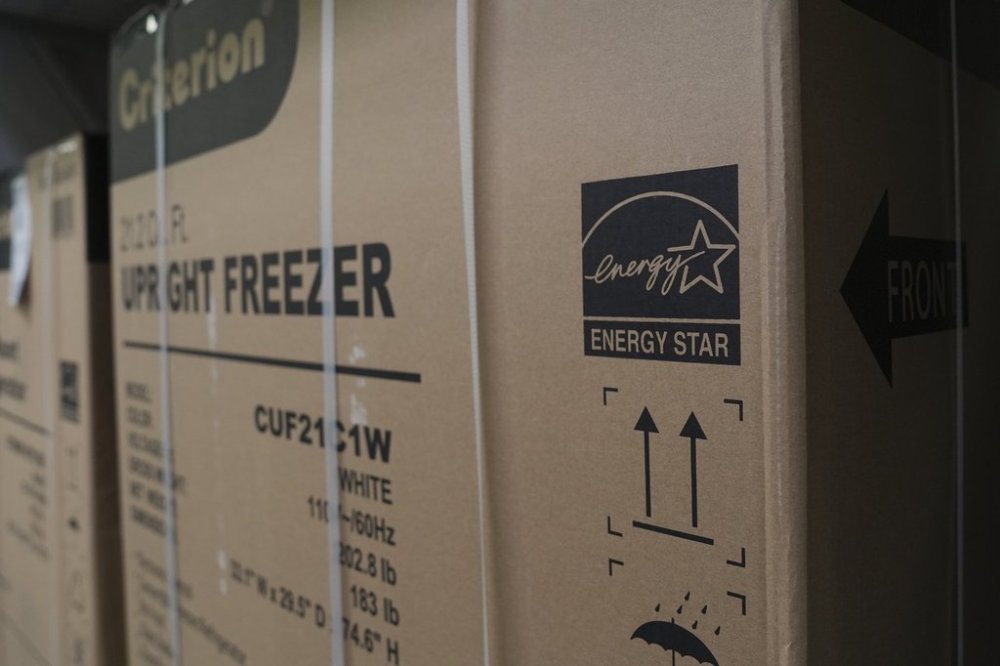
The EPA launched Energy Star in 1992 with the goal of tackling environmental protection and economic growth. It boosts the market for energy-efficient products and benefits companies that design appliances that earn the label. A home that decides to buy Energy Star products can save $450 annually on energy costs, the program’s website says.
“People recognize it right away, so they would be like ‘oh, it is Energy Star, so I should probably go with this one,’” said Francis Dietz, spokesperson with the trade association Air-Conditioning, Heating, and Refrigeration Institute.
Steven Nadel, executive director of the American Council for an Energy-Efficient Economy, said the program enjoyed bipartisan support until recently. It promotes efficiency by tightening standards when lots of products are able to meet the label requirements, he said.
Big savings in money and pollution
Since its start, the program has reduced energy costs by more than $500 billion and prevented about 4 billion metric tons of planet-warming greenhouse gas emissions, according to its website. Appliances can be responsible for tons of air pollution, but efficiency measures can reduce the carbon dioxide, methane, sulfur dioxide, nitrogen oxide and fine particulate matter that producing the electricity releases into the atmosphere. These pollutants can harm the heart and lungs, and cause other health issues.
Trump’s proposed budget asks that Congress eliminate the EPA’s entire Atmospheric Protection Program, which houses the offices that run Energy Star. The budget described the program as “an overreach of Government authority that imposes unnecessary and radical climate change regulations on businesses and stifles economic growth.”
But Sarah Gleeson, climate solutions research manager at the climate action nonprofit Project Drawdown, said America’s energy independence depends on the ability to meet U.S. energy demands, and cutting the program imperils that and strains households at the same time.
Gleeson said losing Energy Star will make it harder for consumers to have trustworthy information about products’ energy use.
Label is voluntary, and Congress ordered it
The Energy Star label is voluntary for products that meet certain efficiency levels, and differs from Department of Energy standards that set minimum efficiency requirements that products must meet to be legally sold. In the 2000s, Congress directed the EPA and Department of Energy to run an energy-efficiency program and promote Energy Star.
The DOE did not comment on the changes and its role moving forward, deferring questions to the EPA. According to the program’s website, DOE’s role includes developing product testing procedures. The EPA is responsible for setting performance levels and ensuring consumers can rely on the label.
The Association of Home Appliance Manufacturers said it supports a streamlined Energy Star program through the DOE. Spokeswoman Jill Notini said that “would meet the administration’s goals of preserving a full selection of products from which consumers can choose, and reducing unnecessary regulatory burden.”
The move is the latest in the Trump administration’s broader deregulatory effort. They’ve announced plans to slash Biden-era policies to reduce greenhouse gas emissions and prioritized fossil fuels and an energy-dominance policy.

The president has been particularly keen on eliminating efficiency standards, arguing they result in products that cost more and are less effective, and that they deny consumer choice. Trump has reversed rules restricting water flow for showerheads and other household appliances.
Trump targeted Energy Star during his first stint in the White House, but faced backlash.
“For an administration who keeps claiming the country is facing an ‘energy emergency,’ Trump continues to attack any and all efforts aimed at saving energy through efficiency,” Xavier Boatright, deputy legislative director for clean energy and electrification at Sierra Club said in a statement. “When we waste energy through inefficient appliances the fossil fuel industry uses it as an excuse to extract and sell more of its product to make more money on the backs of the American people.”
___
The Associated Press receives support from the Walton Family Foundation for coverage of water and environmental policy. The AP is solely responsible for all content. For all of AP’s environmental coverage, visit https://apnews.com/hub/climate-and-environment