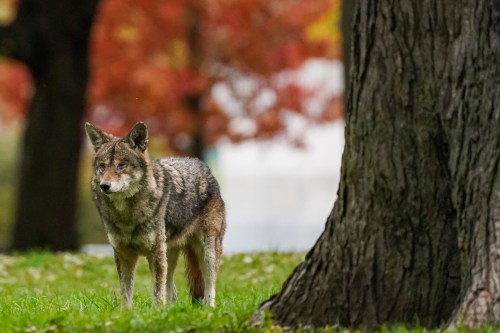
Coyote killed in Cape Breton Highlands National Park after visitor bitten
Advertisement
Read this article for free:
or
Already have an account? Log in here »
To continue reading, please subscribe:

Digital Subscription
One year of digital access for only $205*
- Enjoy unlimited reading on winnipegfreepress.com
- Read the E-Edition, our digital replica newspaper
- Access News Break, our award-winning app
- Play interactive puzzles
*First annual payment billed as $205.00 + GST for one year. This annual subscription will automatically renew at $233.00 + GST every 52 weeks (10% off the regular annual price of $259.35). Offer available to new and qualified returning subscribers only. Cancel any time.
To continue reading, please subscribe:
Add Free Press access to your Brandon Sun subscription for only an additional
$1 for the first 4 weeks*
- Enjoy unlimited reading on winnipegfreepress.com
- Read the E-Edition, our digital replica newspaper
- Access News Break, our award-winning app
- Play interactive puzzles
*Your next Brandon Sun subscription payment will increase by $1.00 and you will be charged $17.95 plus GST for four weeks. After four weeks, your payment will increase to $24.95 plus GST every four weeks.
Read unlimited articles for free today:
or
Already have an account? Log in here »
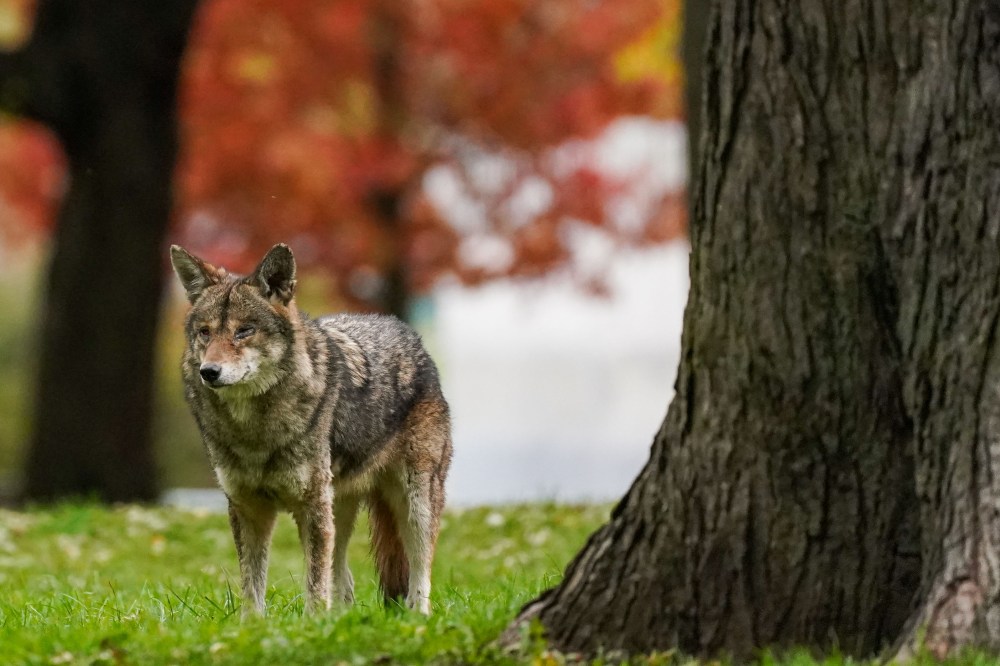
PLEASANT BAY – Staff at a national park in northern Nova Scotia killed a coyote Saturday after a visitor was bitten two days earlier, but they aren’t certain they targeted the correct canine.
Parks Canada said staff made the “difficult decision” to kill the coyote because it was found near the campground where the bite occurred, it repeatedly approached park staff and it did not show any fear of humans.
Parks Canada said the visitor who was bitten was a lone camper who said the coyote didn’t back away when they tried to deter it. The visitor sustained minor injuries, the federal agency said.
Jared Tomie, the park’s resource conservation manager, said the incident occurred Thursday evening at the MacIntosh Brook campground on the western side of Cape Breton Highlands National Park.
The visitor ran toward the campground’s cook shelter and fell before reaching the shelter, he said. They realized they had a bite on one of their legs once they were inside, he added.
He said the visitor self-administered first aid after the bite and received medical attention the next day.
The park’s wildlife response group also determined the coyote they killed was showing signs of food conditioning, meaning it had become habituated to human food sources, he said.
“It’s a severe incident for us and our protocol indicates that there’s a severe problem with the coyote itself in terms of that habituation,” he said. “We have to follow through on those protocols, especially when animals are showing … this loss of fear.”
Tomie said staff may never know if they killed the coyote responsible for biting the visitor.
Tomie said coyote attacks in the park are often a result of the animals becoming habituated to human food sources and staff did find food around the campground after the most recent incident.
A spokesperson for the Nova Scotia Department of Natural Resources said in a statement that coyote attacks in the province are rare, and problems typically occur when humans feed them or when they gain access to human food from garbage or compost.
The only fatal coyote attack recorded in the province happened in 2009, when two coyotes attacked and killed a woman in the national park.
Five coyotes in the park were killed after that fatal attack, including the two responsible.
A 2022 study about the 2009 attack found the coyotes responsible were not habituated to human food but had learned to hunt and kill moose and likely saw the woman as another source of food.
The paper said the coyotes’ typical prey, snowshoe hare and white-tailed deer, were in short supply when the attack occurred.
However, after the paper was published, one of its authors said the park’s coyotes had since returned to their typical diet and were likely no more dangerous to humans than coyotes found elsewhere.
Tomie said he can’t speak to how prey availability may have impacted the most recent attack.

He said staff continue to patrol the area where the coyote bite occurred and have posted warning signage and removed food from the campground.
Temporary closures of the MacIntosh Brook area, the Lone Shieling trail and nearby look-offs also remain in place, he said.
This report by The Canadian Press was first published Sept. 28, 2026.
— By Tori Fitzpatrick in Halifax.
— With files from Michael MacDonald.