Manitobans’ sacrifices have helped flatten curve
Easing of restrictions doesn't mean return to normal
Advertisement
Read this article for free:
or
Already have an account? Log in here »
To continue reading, please subscribe:

Digital Subscription
One year of digital access for only $205*
- Enjoy unlimited reading on winnipegfreepress.com
- Read the E-Edition, our digital replica newspaper
- Access News Break, our award-winning app
- Play interactive puzzles
*First annual payment billed as $205.00 + GST for one year. This annual subscription will automatically renew at $233.00 + GST every 52 weeks (10% off the regular annual price of $259.35). Offer available to new and qualified returning subscribers only. Cancel any time.
To continue reading, please subscribe:
Add Free Press access to your Brandon Sun subscription for only an additional
$1 for the first 4 weeks*
- Enjoy unlimited reading on winnipegfreepress.com
- Read the E-Edition, our digital replica newspaper
- Access News Break, our award-winning app
- Play interactive puzzles
*Your next Brandon Sun subscription payment will increase by $1.00 and you will be charged $17.95 plus GST for four weeks. After four weeks, your payment will increase to $24.95 plus GST every four weeks.
Read unlimited articles for free today:
or
Already have an account? Log in here »
Hey there, time traveller!
This article was published 01/06/2020 (2284 days ago), so information in it may no longer be current.
When the COVID-19 pandemic first emerged earlier this year in Manitoba, public health officials were required to take steps to balance risks of widespread transmission with the need to ensure critical functions of our society remained in place.
These steps included restricting travel, closing non-essential services, suspending classroom learning and implementing strict physical-distancing measures.
The last few months have been challenging. Manitobans have had to make many changes in their lives, from not attending regular family dinners and religious services to cancelling special occasions and having limited access to visit their loved ones in hospitals or long-term care facilities. All these difficult changes have helped reduce the spread of COVID-19.
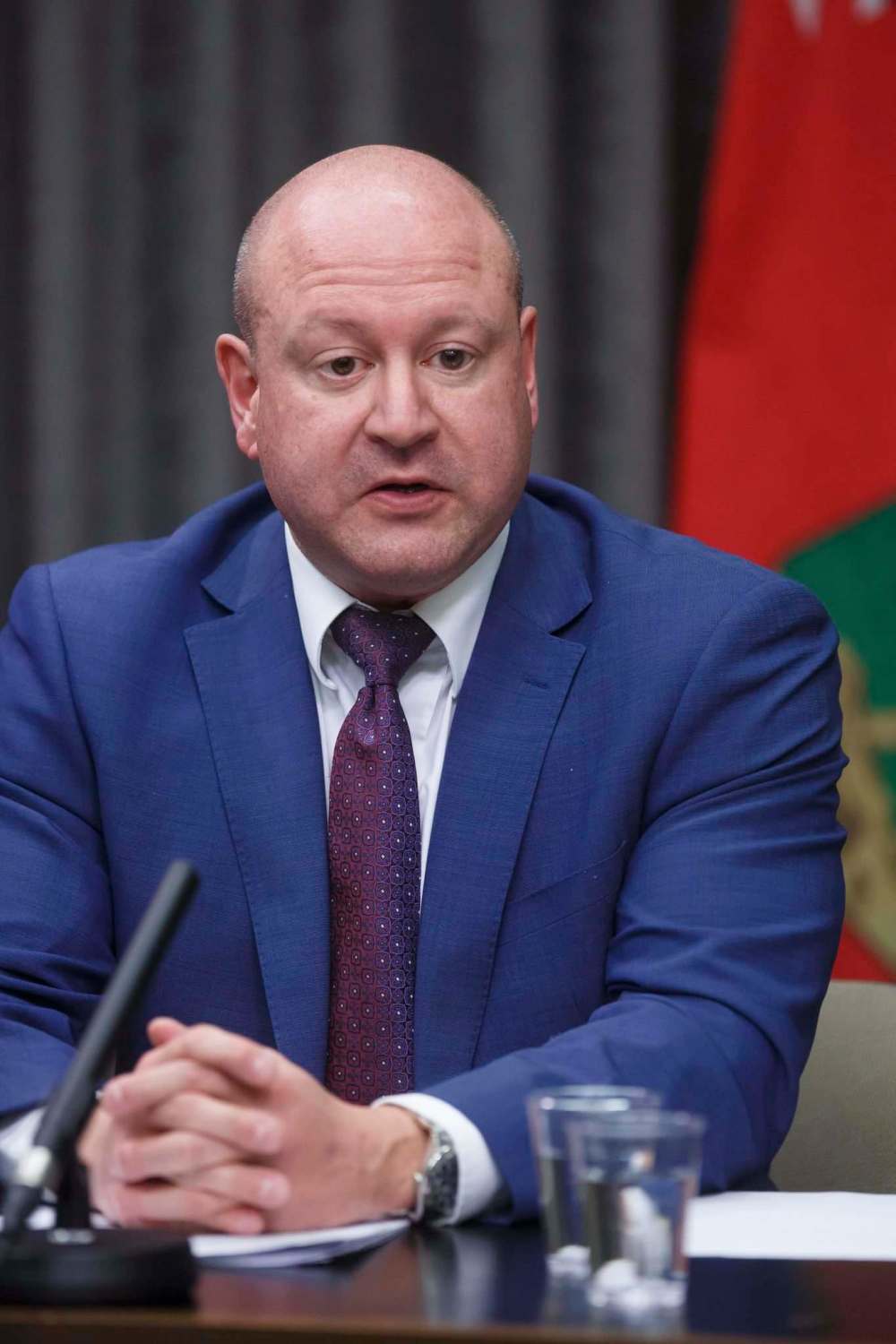
Thanks to these sacrifices, and the support and actions of all Manitobans, we have managed to flatten the curve. Now, we are seeing signs the spread of COVID-19 is controlled in Manitoba.
Our case counts, the number of people with flu-like symptoms seeking care and the percentage of people testing positive for COVID-19 remain low. Manitoba currently has enough health-care capacity to manage additional COVID-19 cases. This has allowed us to begin to restore important health services, such as elective surgeries and diagnostic procedures. We have also been able to stabilize our supply of personal protective equipment.
We have a strong system in place to rapidly identify cases, isolate them, and trace and isolate their contacts. This includes expanded laboratory capacity to carry out testing on samples received daily without delay, regional public health capacity to manage cases and isolation accommodations for those who are unable to isolate at home.
Manitoba has taken action to protect our most vulnerable by restricting visits to hospitals and long-term care facilities, screening staff daily before workplace entry, allowing staff to only work at one personal care home, implementing hygiene protocols and creating protocols for the use of personal protective equipment.
These measures have been effective and right now, Manitoba has no outbreaks of COVID-19 in hospitals, in personal care homes or other long-term residential settings.
I want to thank residents, families, staff and facility management for their ongoing understanding and patience as we keep many of these measures in place while other restrictions are gradually lifted. Ensuring this virus is not introduced or spread in health-care facilities or among vulnerable residents in long-term care remains a top priority. While we are committed to supporting outdoor and virtual visits to ensure connections with family are maintained, now is not the time to remove visitor restrictions entirely.
Manitoba businesses have implemented physical-distancing guidelines of two metres in most workplaces, along with guidelines on hand hygiene, capacity control, enhanced cleaning and supporting brief interactions. Manitoba’s business community has carefully implemented these requirements, and their efforts have made a real difference.
We continue to restrict travel. The federal government has put strong measures in place for people coming to Canada, and anyone entering Manitoba must self-isolate for 14 days, with certain exceptions.
Manitobans are also aware of and engaged with public health information. There are thousands of visits to our website daily, and we continue to work with media across the province to share information.
Based on this, Manitoba is implementing Phase 2 of a plan to safely restore services. This includes increasing the size of public gatherings to 25 people indoors and 50 people outdoors, where people are reasonably able to maintain a separation of at least two metres from others.
Effective today, other changes will be in place to enable outdoor drive-in events, increase capacity for day camps and child-care centres, allow organized activities such as team sports, and open up pools, splash parks, fitness clubs, gyms, training facilities, community centres and personal service businesses.
As we make these changes to safely restore services, I want people to remember that easing restrictions is not a return to normal. We need to find ways to live with this virus. If we all continue to follow the guidelines set in place, we can limit its impact.
I remind all Manitobans for the need to stay safe. In particular, I want Manitobans to stay home if they are sick. If you have any of the symptoms of COVID-19, please stay home. Practise physical distancing and keep two metres of separation from others except for necessary, brief exchanges. Wash your hands frequently, cough and sneeze into your sleeve and regularly disinfect frequently touched surfaces.
As we continue to safely restore services, taking these steps will help continue to reduce the spread of COVID-19 in Manitoba. Please visit our website at manitoba.ca/covid19 for the most up-to-date information.
Dr. Brent Roussin is Manitoba’s chief provincial public health officer.