Lavender: all-purpose ‘Swiss army knife’ of fragrant herbs
Advertisement
Read this article for free:
or
Already have an account? Log in here »
To continue reading, please subscribe:

Digital Subscription
One year of digital access for only $205*
- Enjoy unlimited reading on winnipegfreepress.com
- Read the E-Edition, our digital replica newspaper
- Access News Break, our award-winning app
- Play interactive puzzles
*First annual payment billed as $205.00 + GST for one year. This annual subscription will automatically renew at $233.00 + GST every 52 weeks (10% off the regular annual price of $259.35). Offer available to new and qualified returning subscribers only. Cancel any time.
To continue reading, please subscribe:
Add Free Press access to your Brandon Sun subscription for only an additional
$1 for the first 4 weeks*
- Enjoy unlimited reading on winnipegfreepress.com
- Read the E-Edition, our digital replica newspaper
- Access News Break, our award-winning app
- Play interactive puzzles
*Your next Brandon Sun subscription payment will increase by $1.00 and you will be charged $17.95 plus GST for four weeks. After four weeks, your payment will increase to $24.95 plus GST every four weeks.
Read unlimited articles for free today:
or
Already have an account? Log in here »
Hey there, time traveller!
This article was published 05/03/2019 (2725 days ago), so information in it may no longer be current.
Lavender is a species with a Mediterranean ancestry, but it has been hybridized to such an extent than it can survive Toronto winters. This perennial evergreen shrub is a prized ornamental but its utility is endless.
The fragrant herb can be grown from seeds or transplanted cuttings, and is easy to manage once you meet its basic needs, said Susan Harrington, who operates an online course in growing and marketing lavender from her Labyrinth Hill Lavender property in Hansville, Washington.
“Six or eight hours of full sun, preferably afternoon sun,” Harrington said. “Give it excellent drainage or it will root rot. It prefers the alkaline soils (6.5 to 7) of its Mediterranean origins.”
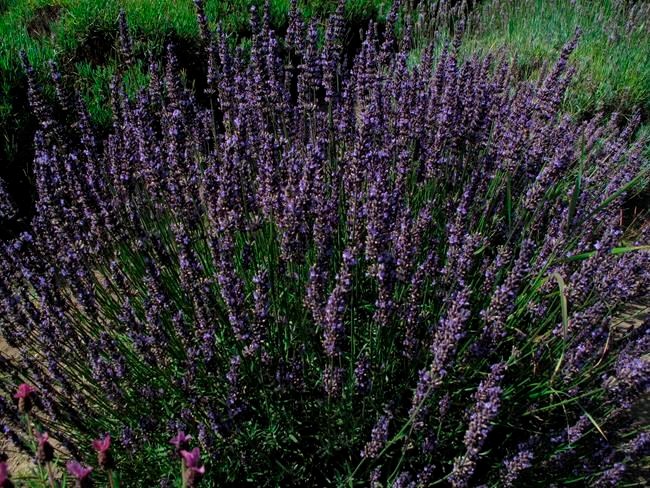
The biggest concern is freezing winds, she said: “Lavender needs wintertime protection.”
Commercial growers often describe lavender as the Swiss army knife of fragrant herbs, she said. It can be used in the kitchen and medicine cabinet as well as in garden areas or in pots placed where its delicate scent can be appreciated.
Its health benefits range from aromatherapy to sanitizing cuts. Lavender’s fragrance lends itself to soaps, sachets and a variety of body-care products. Cooking options include brightening up cocktails and enlivening the taste of grilled meats, omelets, salads and desserts.
“Most people equate lavender with fresh aromatic bundles, as well as dried for floral arrangements,” Harrington said. “The longer the plant is allowed to bloom, the more intense the lavender essential oil.”
Lavender also is a pollinator-friendly plant, favoured by a variety of bees and butterflies.
“It’s unique in its ability to track honeybees,” said David Salman, founder and chief horticulturist at High Country Gardens. “It’s a native of the Old World, as are honeybees. When bees and lavender moved to North America, the affinity to each other stayed the same.”
Lavender is a great perennial for arid regions as well, he said.
“In the West, it’s a terrific low-water plant,” he said. “Also, it’s browse-resistant from rabbits and deer, which is another plus.”
In hot, humid climates like Florida’s, lavender will do well in containers. Choose compact varieties to fit in pots or small gardens. They don’t require much if any fertilizer.
Some gardeners plant lavender around their roses to deter deer, which don’t like its scent, Salman said. The same goes for rodents and bothersome insects, Harrington said.
“Oftentimes, people put dried lavender in packets and in places where it seems to discourage fleas and moths,” she said. “I know of antique car owners who store the lavender bags in their vehicles in winter so mice won’t get into the heating ducts.”
Lavender flowering typically lasts three to four weeks, but it depends on location and weather.
Salman prolongs the blooming season in his Santa Fe, New Mexico, landscape by combining lavender types: cold hardy English (late spring through early summer), French hybrids (late spring to late summer) and Spanish (summer to fall).
“By doing this you can have them in bloom from late spring through fall, which is exceptionally important to bees,” Salman said.

No matter which type or variety you choose, lavender will supply a fulsome harvest, Harrington said.
“Even as few as 10 plants in your backyard can provide you with 5 pounds of dried lavender,” she said.
____
Online: For more about growing lavender, see this fact sheet from University of Illinois Extension: https://extension.illinois.edu/herbs/lavender.cfm
You can contact Dean Fosdick at deanfosdick@netscape.net