Psychiatrist on what doctors to consider when advising patients during Ramadan
Advertisement
Read this article for free:
or
Already have an account? Log in here »
To continue reading, please subscribe:

Digital Subscription
One year of digital access for only $205*
- Enjoy unlimited reading on winnipegfreepress.com
- Read the E-Edition, our digital replica newspaper
- Access News Break, our award-winning app
- Play interactive puzzles
*First annual payment billed as $205.00 + GST for one year. This annual subscription will automatically renew at $233.00 + GST every 52 weeks (10% off the regular annual price of $259.35). Offer available to new and qualified returning subscribers only. Cancel any time.
To continue reading, please subscribe:
Add Free Press access to your Brandon Sun subscription for only an additional
$1 for the first 4 weeks*
- Enjoy unlimited reading on winnipegfreepress.com
- Read the E-Edition, our digital replica newspaper
- Access News Break, our award-winning app
- Play interactive puzzles
*Your next Brandon Sun subscription payment will increase by $1.00 and you will be charged $17.95 plus GST for four weeks. After four weeks, your payment will increase to $24.95 plus GST every four weeks.
Read unlimited articles for free today:
or
Already have an account? Log in here »
Hey there, time traveller!
This article was published 02/05/2019 (2648 days ago), so information in it may no longer be current.
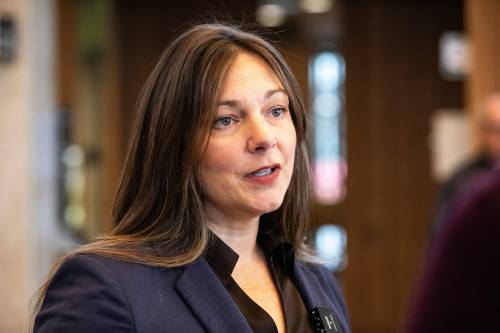
VANCOUVER – A Canadian psychiatrist is advising doctors to help address the needs of mentally ill Muslim patients whose medication regimen could be affected by fasting during the upcoming religious observance of Ramadan.
Dr. Zainab Furqan, a psychiatry resident at the University of Toronto, said about a billion Muslims around the world participate in Ramadan each year but there’s little research about fasting among patients dependent on psychiatric drugs.
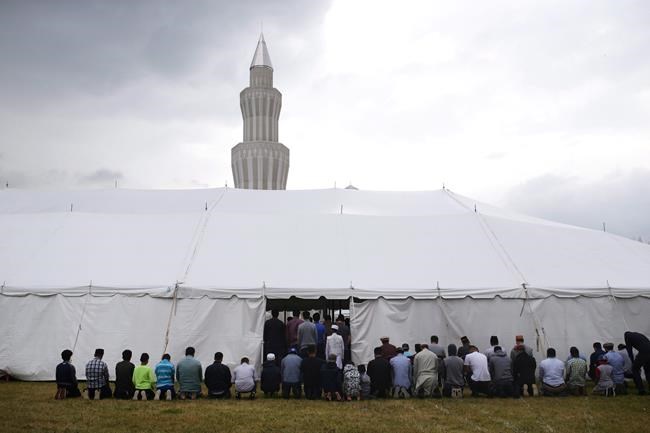
She said physicians should consider the timing and dosing of medication for patients abstaining from food and water between sunrise and sunset during the annual month-long observance, which this year begins on Monday in Canada.
Furqan is the principle author of a commentary published Thursday in the journal Lancet Psychiatry.
She is among six contributors, including Dr. Juveria Zaheer of the Centre for Addiction and Mental Health in Toronto and others from the Stanford University School of Medicine in California and the University of Manchester in the United Kingdom.
“Muslim doctors might have more context about what Ramadan is and how it’s practised but they may not be aware of some of the nuances related to psychiatric issues,” Furqan said, adding general stigma about mental illness could also play a role in the type of advice patients get about fasting from various sources, including religious leaders.
Some of the issues physicians should address include how the absorption of a particular drug is affected by food and whether a sedating medication could interfere with a patient’s ability to wake up for the pre-dawn meal, she said.
“We encourage doctors to think about things like: Are there medications that come in once-daily dosing rather than multiple times a day? Or are there medications where the timing of the administration needs to be changed?”
Concerns about dehydration should also be considered for patients taking medication such as lithium for bipolar disorder, Furqan said, adding someone who isn’t drinking water for 17 hours may need to be monitored more closely.
She said unlike physically ill patients, those with a mental illness are often unclear on whether they would be exempt from fasting as permitted by their religion for ill people who would be endangering their health by not eating or drinking for so long, especially when Ramadan is observed during summer.
Furqan, who will not be fasting this year because she is pregnant, said some people choose to do so despite exemptions for expectant mothers, the elderly and those who are ill.
“There are some people who are exempt from fasting, who choose to fast anyway and at times it’s not safe for them to do so,” she said, adding Muslims are allowed to substitute fasting during Ramadan with prayer, fasting later or charitable work instead.
“If there’s clear medical advice to patients then I think they would take that into consideration when choosing to fast or not. But I wonder how many of these frank conversations are actually occurring between doctors and their patients?”
Ali Reza Ladak, a lecturer at the Faculty of Pharmaceutical Sciences at the University of British Columbia, said health-care providers need to have an open, respectful discussion with patients in developing a medication plan, especially if those who are exempt decide to fast because they may not be aware of how it would affect their health.
Ladak said some patients, including those with chronic conditions such as diabetes and high blood pressure, may not think they have an illness but need to understand the long-term effects of not taking their medication or interrupting their usual schedule.

The Qur’an makes it clear that “God wills that you shall have ease and does not will you to suffer,” he said, reading an English translation of the Muslim holy book.
Fasting is seen as a test but some people might consider their illness a test as well, said Ladak, who is also a practising pharmacist.
“There’s a fine line there. If it’s going to be harmful for you, if you’re pregnant and it’s going to be harmful for the child you’re not supposed to fast.”
Ladak called Ramadan a “magical” time of reflection and said people want to be part of the experience that involves time with family and their community, so some Muslims may put pressure on themselves to fast when their health should be a priority.
— Follow @CamilleBains1 on Twitter
The Free Press acknowledges the financial support it receives from members of the city’s faith community, which makes our coverage of religion possible.