Wolf in Newfoundland probably made it to island on ice, experts say
Advertisement
Read this article for free:
or
Already have an account? Log in here »
To continue reading, please subscribe:

Digital Subscription
One year of digital access for only $205*
- Enjoy unlimited reading on winnipegfreepress.com
- Read the E-Edition, our digital replica newspaper
- Access News Break, our award-winning app
- Play interactive puzzles
*First annual payment billed as $205.00 + GST for one year. This annual subscription will automatically renew at $233.00 + GST every 52 weeks (10% off the regular annual price of $259.35). Offer available to new and qualified returning subscribers only. Cancel any time.
To continue reading, please subscribe:
Add Free Press access to your Brandon Sun subscription for only an additional
$1 for the first 4 weeks*
- Enjoy unlimited reading on winnipegfreepress.com
- Read the E-Edition, our digital replica newspaper
- Access News Break, our award-winning app
- Play interactive puzzles
*Your next Brandon Sun subscription payment will increase by $1.00 and you will be charged $17.95 plus GST for four weeks. After four weeks, your payment will increase to $24.95 plus GST every four weeks.
Read unlimited articles for free today:
or
Already have an account? Log in here »
Hey there, time traveller!
This article was published 25/05/2012 (5190 days ago), so information in it may no longer be current.
ST. JOHN’S, N.L. – Genetic tests confirm that a large canine shot on Newfoundland’s Bonavista Peninsula in March was a wolf that probably made it to the island on ice, provincial officials said Friday.
The province’s Environment Department said DNA testing carried out by Memorial University and the University of Idaho has verified that the 37-kilogram animal was a Labrador wolf.
Wolves became extinct on the island around 1930. They have been known to occasionally arrive from Labrador, though there is no evidence of a breeding population.
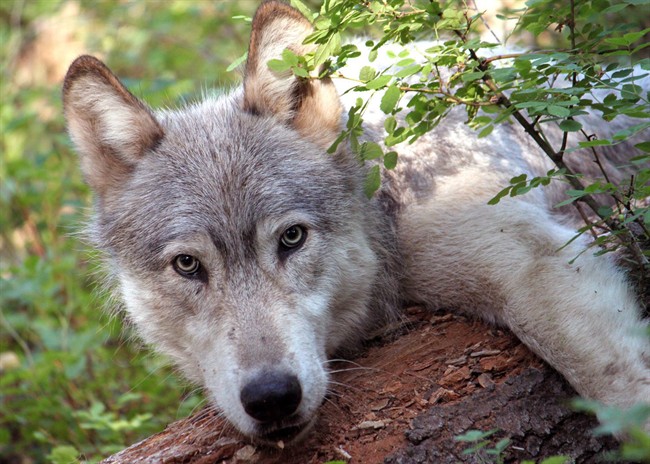
“We can only speculate on how this wolf arrived on the island of Newfoundland, but most likely it travelled from Labrador on sea ice to the island,” Environment Minister Terry French said in a statement.
“Wolves are known to travel long distances and with the number of polar bears coming ashore in Newfoundland this spring, sea ice was plentiful enough to provide a travel route for a Labrador wolf.”
Earlier this month, genetic testing confirmed that an animal shot in April in northern New Brunswick was a wolf, marking the first confirmed wolf sighting in that province in 150 years.
Officials said that animal could have arrived on an ice floe or was someone’s illegal pet.