A $5.4 billion international chip deal with Intel is off after greenlight from China never arrives
Advertisement
Read this article for free:
or
Already have an account? Log in here »
To continue reading, please subscribe:

Digital Subscription
One year of digital access for only $205*
- Enjoy unlimited reading on winnipegfreepress.com
- Read the E-Edition, our digital replica newspaper
- Access News Break, our award-winning app
- Play interactive puzzles
*First annual payment billed as $205.00 + GST for one year. This annual subscription will automatically renew at $233.00 + GST every 52 weeks (10% off the regular annual price of $259.35). Offer available to new and qualified returning subscribers only. Cancel any time.
To continue reading, please subscribe:
Add Free Press access to your Brandon Sun subscription for only an additional
$1 for the first 4 weeks*
- Enjoy unlimited reading on winnipegfreepress.com
- Read the E-Edition, our digital replica newspaper
- Access News Break, our award-winning app
- Play interactive puzzles
*Your next Brandon Sun subscription payment will increase by $1.00 and you will be charged $17.95 plus GST for four weeks. After four weeks, your payment will increase to $24.95 plus GST every four weeks.
Read unlimited articles for free today:
or
Already have an account? Log in here »
Hey there, time traveller!
This article was published 16/08/2023 (1146 days ago), so information in it may no longer be current.
HONG KONG (AP) — A $5.4 billion acquisition of Israeli chip manufacturer by Intel has been called off after China failed to sign off on the deal amid rising tensions with the United States.
It was a mutual decision between Intel and Tower Semiconductor, the companies said Wednesday. Intel said that the deal was terminated “due to the inability to obtain in a timely manner the regulatory approvals required under the merger agreement.”
The deal required approval from a number of regulators worldwide, including those in China. Chinese regulators failed to approve the deal by a deadline Wednesday, even after Intel CEO Patrick Gelsinger traveled to China last month in a bid to win them over.
The scuttled deal between the two companies comes amid increasing U.S.-China tensions, particularly as the U.S. has tightened export controls and imposed restrictions aimed at crippling China’s ability to purchase and manufacture advanced chips.
In response, China’s antitrust regulator, the State Administration for Market Regulation, appears to have dragged its feet on approving mergers involving American companies, such as the Intel-Tower deal.
Last month, ahead of Treasury Secretary Janet Yellen’s visit to Beijing, China imposed export curbs on two metals used in computer chips and solar cells.
Intel originally aimed to close the deal by the first quarter of the year, but later extended the deadline after it failed to receive approval from China. Intel hoped that its acquisition of Tower would expand its manufacturing capacity and open up growth opportunities for the firm in U.S., Israel, Italy and Japan.
Intel Corp. will pay Tower a termination fee of $353 million, the U.S. semiconductor giant said.
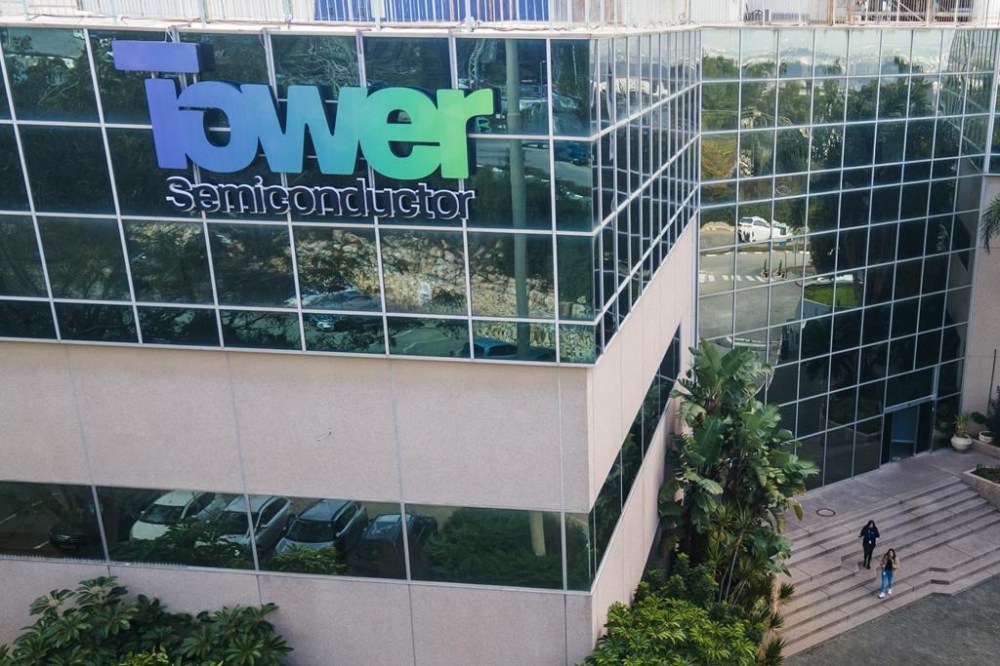

Tower’s U.S. traded stock fell more than 9% at the opening bell and more than 10% in Tel Aviv.
“Tower was very excited to join Intel to enable Pat Gelsinger’s vision for Intel’s foundry business,” said Russell Ellwanger, Tower Semiconductor’s CEO in a written statement. “We appreciate the efforts by all parties.”