Japan confirms experts met in China to ease concerns over discharge of treated radioactive water
Advertisement
Read this article for free:
or
Already have an account? Log in here »
To continue reading, please subscribe:

Digital Subscription
One year of digital access for only $205*
- Enjoy unlimited reading on winnipegfreepress.com
- Read the E-Edition, our digital replica newspaper
- Access News Break, our award-winning app
- Play interactive puzzles
*First annual payment billed as $205.00 + GST for one year. This annual subscription will automatically renew at $233.00 + GST every 52 weeks (10% off the regular annual price of $259.35). Offer available to new and qualified returning subscribers only. Cancel any time.
To continue reading, please subscribe:
Add Free Press access to your Brandon Sun subscription for only an additional
$1 for the first 4 weeks*
- Enjoy unlimited reading on winnipegfreepress.com
- Read the E-Edition, our digital replica newspaper
- Access News Break, our award-winning app
- Play interactive puzzles
*Your next Brandon Sun subscription payment will increase by $1.00 and you will be charged $17.95 plus GST for four weeks. After four weeks, your payment will increase to $24.95 plus GST every four weeks.
Read unlimited articles for free today:
or
Already have an account? Log in here »
Hey there, time traveller!
This article was published 31/03/2024 (920 days ago), so information in it may no longer be current.
TOKYO (AP) — Japan said Sunday its experts have held talks with their Chinese counterparts to try to assuage Beijing’s concerns over the discharge of treated radioactive wastewater from the wrecked Fukushima Daiichi nuclear power plant into the sea.
The discharges have been opposed by fishing groups and neighboring countries especially China, which banned all imports of Japanese seafood. China’s move has largely affected Japanese scallop growers and exporters to China.
During the talks held Saturday in the northeastern Chinese city of Dalian, Japanese officials provided “science-based” explanation of how the discharges have been safely carried out as planned, according to the Japanese Foreign Ministry.
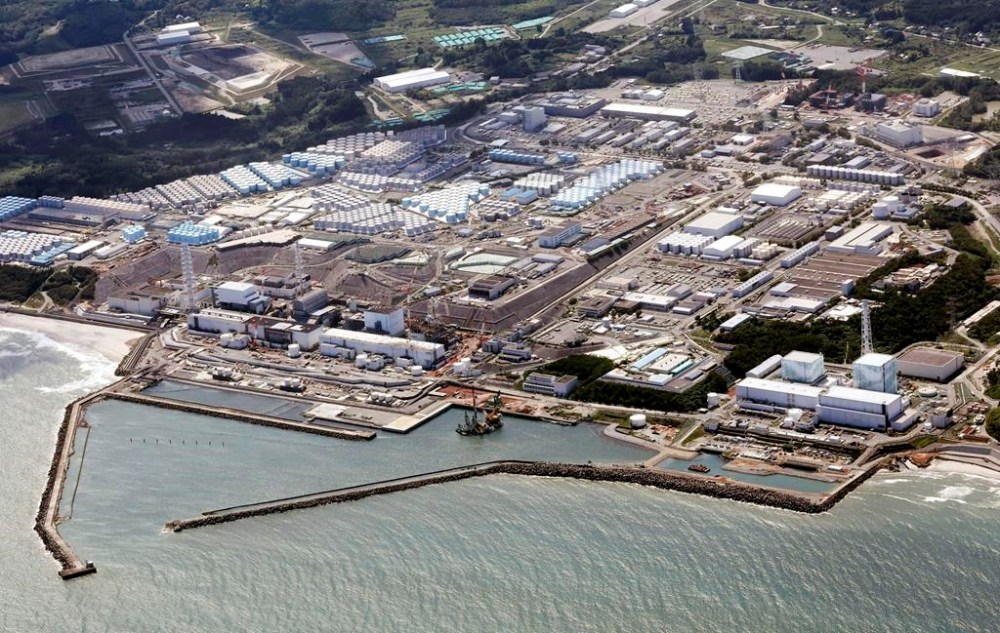
A 2011 earthquake and tsunami damaged the Fukushima plant’ s power supply and reactor cooling functions, triggering meltdowns of three reactors and causing large amounts of radioactive wastewater to accumulate. After more than a decade of storage in tanks taking up much space on the complex, the plant began discharging the water after treating it at least once and diluting it with seawater on Aug. 24, starting a process that’s expected to take decades.
Japanese Prime Minister Fumio Kishida and Chinese President Xi Jinping at their summit meeting in November agreed to hold scientific talks by experts, and the countries have since held a number of informal meetings. Sunday’s statement from the Japanese Foreign Ministry was its first public acknowledgement of the talks.

The experts exchanged views on “technical matters” involving the discharges, the ministry official said on condition of anonymity due to the sensitivity of the issue. While stressing the importance of transparency, the official declined to give any other details, including what the Chinese side said and whether their differences have been narrowed.
The meeting comes just after the International Atomic Energy Agency chief Rafael Mariano Rafael’s visit to the plant in mid-March confirming that the ongoing discharges have been safely carried out as planned.