WikiLeaks founder Assange wins right to appeal against an extradition order to the US
Advertisement
Read this article for free:
or
Already have an account? Log in here »
To continue reading, please subscribe:

Digital Subscription
One year of digital access for only $205*
- Enjoy unlimited reading on winnipegfreepress.com
- Read the E-Edition, our digital replica newspaper
- Access News Break, our award-winning app
- Play interactive puzzles
*First annual payment billed as $205.00 + GST for one year. This annual subscription will automatically renew at $233.00 + GST every 52 weeks (10% off the regular annual price of $259.35). Offer available to new and qualified returning subscribers only. Cancel any time.
To continue reading, please subscribe:
Add Free Press access to your Brandon Sun subscription for only an additional
$1 for the first 4 weeks*
- Enjoy unlimited reading on winnipegfreepress.com
- Read the E-Edition, our digital replica newspaper
- Access News Break, our award-winning app
- Play interactive puzzles
*Your next Brandon Sun subscription payment will increase by $1.00 and you will be charged $17.95 plus GST for four weeks. After four weeks, your payment will increase to $24.95 plus GST every four weeks.
Read unlimited articles for free today:
or
Already have an account? Log in here »
Hey there, time traveller!
This article was published 20/05/2024 (873 days ago), so information in it may no longer be current.
LONDON (AP) — WikiLeaks founder Julian Assange can appeal an extradition order to the United States on espionage charges, a London court ruled Monday — a decision likely to further drag out an already long legal saga.
High Court judges Victoria Sharp and Jeremy Johnson ruled for Assange after his lawyers argued that the U.S. government provided “blatantly inadequate” assurances that he would have the same free speech protections as an American citizen if extradited from Britain.
Assange, 52, has been indicted on 17 espionage charges and one charge of computer misuse over his website’s publication of a trove of classified U.S. documents almost 15 years ago.
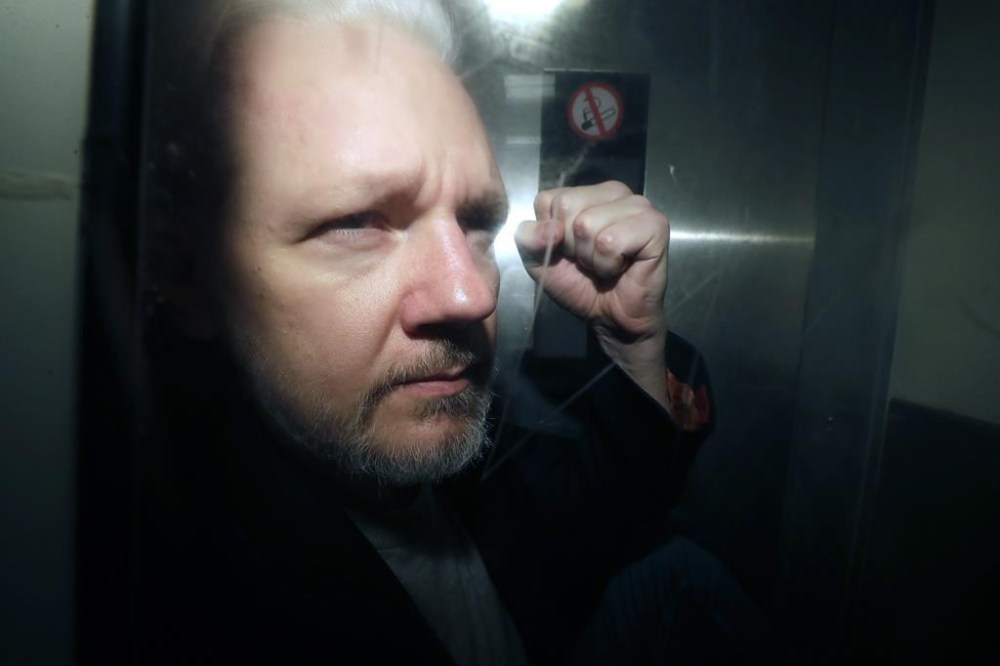
Hundreds of supporters cheered and applauded outside court as news of the ruling reached them from inside the Royal Courts of Justice.
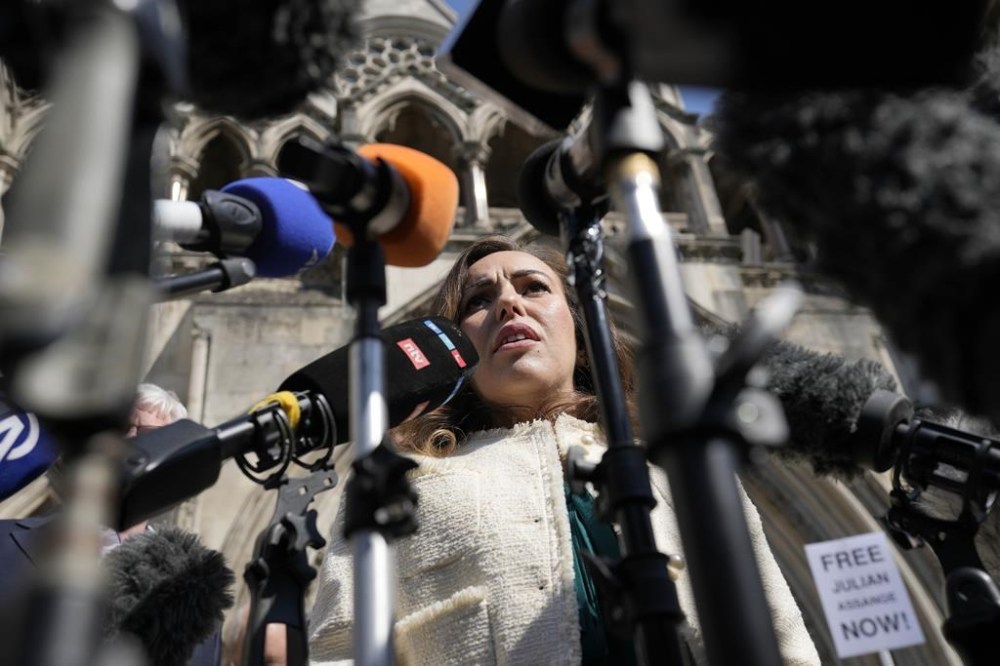
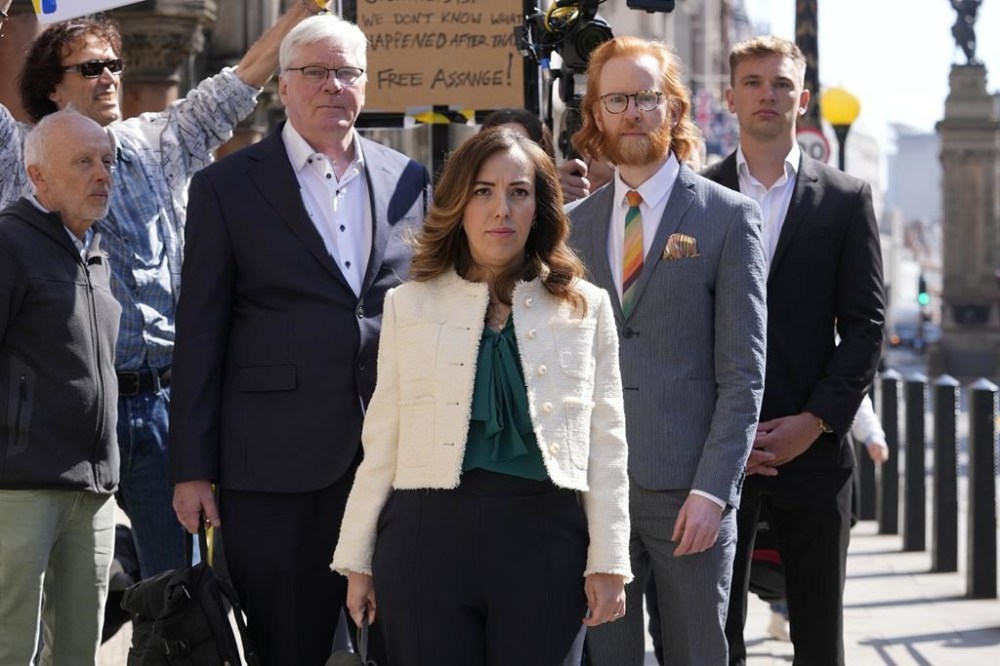
Assange’s wife, Stella, said the U.S. had tried to put “lipstick on a pig — but the judges did not buy it.” She said the U.S. should “read the situation” and drop the case.
“As a family we are relieved but how long can this go on?” she said. “This case is shameful and it is taking an enormous toll on Julian.”
The Australian computer expert has spent the last five years in a British high-security prison after taking refuge in the Ecuadorian Embassy in London for seven years. Assange was not in court to hear the ruling because of health reasons, his lawyer said.
American prosecutors allege that Assange encouraged and helped U.S. Army intelligence analyst Chelsea Manning to steal diplomatic cables and military files that WikiLeaks published.
Assange’s lawyers have argued he was a journalist who exposed U.S. military wrongdoing in Iraq and Afghanistan. Sending him to the U.S., they said, would expose him to a politically motivated prosecution and risk a “flagrant denial of justice.”
The U.S. government says Assange’s actions went way beyond those of a journalist gathering information, amounting to an attempt to solicit, steal and indiscriminately publish classified government documents.
The brief ruling from the bench followed arguments over Assange’s claim that by releasing the confidential documents he was essentially a publisher and due the free press protections guaranteed by the First Amendment of the U.S. Constitution.
The hearing was a follow-up to a provisional ruling in March that said he could take his case to the Court of Appeal unless the U.S. guaranteed he would not face the death penalty if extradited and would have the same free speech protections as a U.S. citizen.
The U.S. provided those assurances but Assange’s lawyers only accepted that he would not face the prospect of capital punishment.
They said the assurance that Assange could “raise and seek to rely upon” the First Amendment fell short of the protections he deserved. Further, they argued that the prosecutor refused to say he would not challenge Assange’s right to use such a defense.
“The real issue is whether an adequate assurance has been provided to remove the real risk identified by the court,” Fitzgerald said. “It is submitted that no adequate assurance has been made.”
Attorney James Lewis, representing the U.S., said Assange would be “entitled to the full panoply of due process trial rights” but said some of his conduct was “simply unprotected” by the First Amendment.
“No one, neither U.S. citizens nor foreign citizens, are entitled to rely on the First Amendment in relation to publication of illegally obtained national defense information giving the names of innocent sources, to their grave and imminent risk of harm,” Lewis said.
The court ruled that Assange could appeal on two grounds, both of which were related to the free press issue.
The judges said if he was deprived of a First Amendment defense then his extradition could be incompatible with the European Convention on Human Rights, which also provides free speech and media protections. Secondly, if he can’t rely on the First Amendment because he’s not a U.S. citizen then he could be treated unfairly because of his nationality.
Assange’s lawyers say he could face up to 175 years in prison if convicted, though American authorities have said any sentence would likely be much shorter.
Assange’s family and supporters say his physical and mental health have suffered during more than a decade of legal battles, which includes seven years spent inside the Ecuadorian Embassy in London from 2012 until 2019. He has spent the past five years in a British high-security prison.
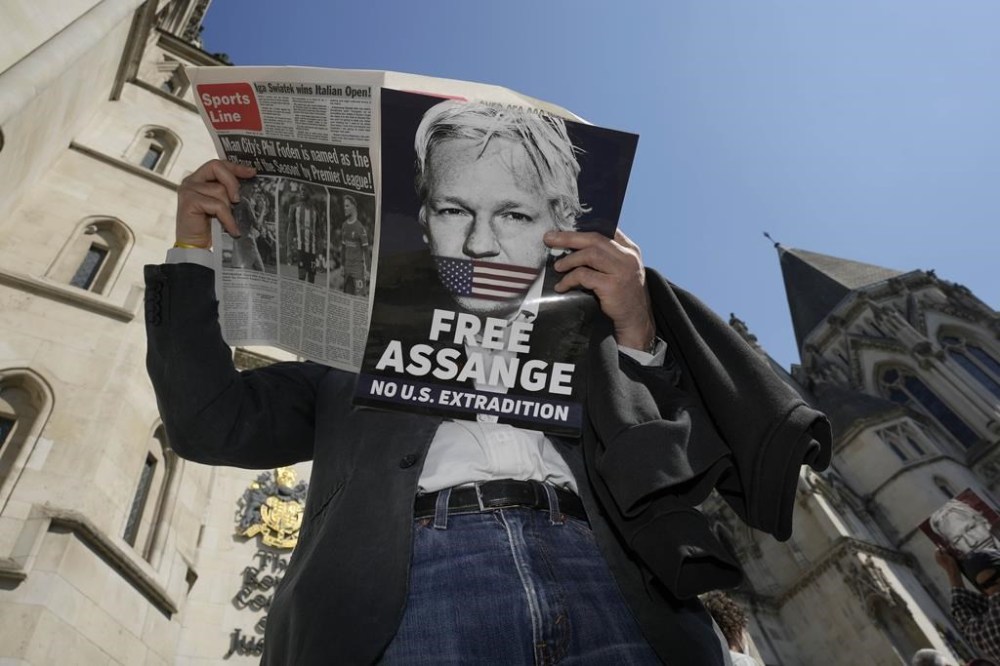
Commuters emerging from a Tube stop near the courthouse couldn’t miss a large sign bearing Assange’s photo and the words, “Publishing is not a crime. War crimes are.”
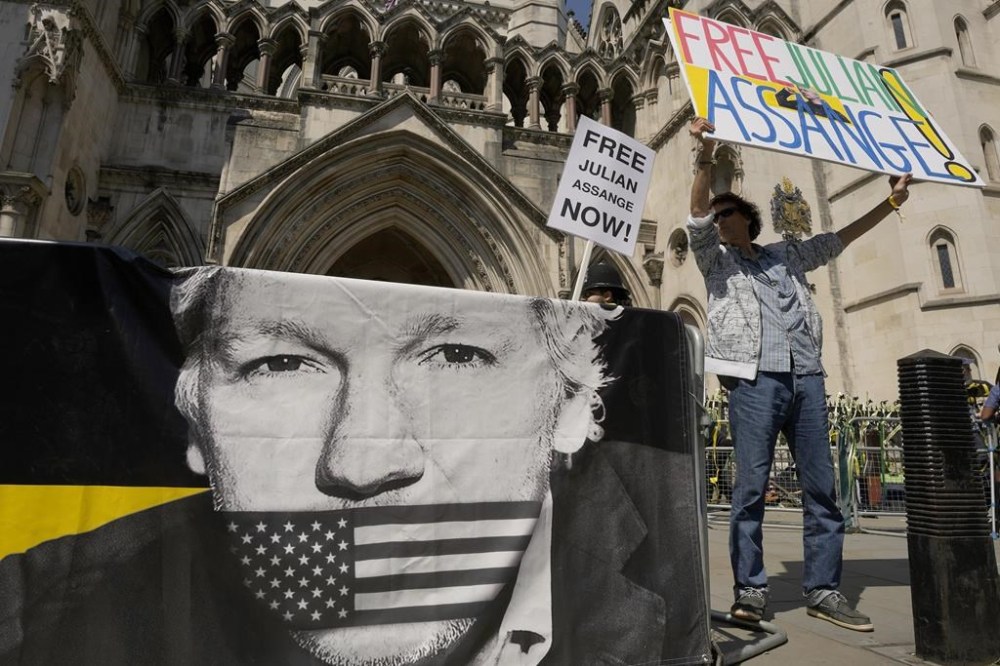
Scores of supporters gathered outside the neo-Gothic Royal Courts of Justice chanting “Free Julian Assange” and “Press freedom, Assange freedom.” Some held white flags aimed at President Joe Biden, exhorting: “Let him go Joe.”
Biden said last month that he was considering a request from Australia to drop the case and let Assange return to his home country.

Officials provided no other details but Assange’s wife said it was “a good sign” and Australian Prime Minister Anthony Albanese said the comment was encouraging.
Assange’s U.S. lawyer, Barry Pollack, said the ruling was “a significant milestone” in the long-running case.
“I hope that the United States will take a hard look at this decision and maybe reconsider whether they should be pursing this fundamentally flawed prosecution,” he said.
___
Associated Press journalist Kwiyeon Ha contributed to this report.