Putin, Stalin and Sochi
Advertisement
Read this article for free:
or
Already have an account? Log in here »
To continue reading, please subscribe:
Digital Subscription
One year of digital access for only $75*
- Enjoy unlimited reading on winnipegfreepress.com
- Read the E-Edition, our digital replica newspaper
- Access News Break, our award-winning app
- Play interactive puzzles
*Billed as $5.77 plus GST every four weeks. After 52 weeks, price increases to the regular rate of $19.95 plus GST every four weeks. Offer available to new and qualified returning subscribers only. Cancel any time.
Monthly Digital Subscription
$4.99/week*
- Enjoy unlimited reading on winnipegfreepress.com
- Read the E-Edition, our digital replica newspaper
- Access News Break, our award-winning app
- Play interactive puzzles
*Billed as $19.95 plus GST every four weeks. Cancel any time.
To continue reading, please subscribe:
Add Free Press access to your Brandon Sun subscription for only an additional
$1 for the first 4 weeks*
- Enjoy unlimited reading on winnipegfreepress.com
- Read the E-Edition, our digital replica newspaper
- Access News Break, our award-winning app
- Play interactive puzzles
*Your next Brandon Sun subscription payment will increase by $1.00 and you will be charged $17.95 plus GST for four weeks. After four weeks, your payment will increase to $24.95 plus GST every four weeks.
Read unlimited articles for free today:
or
Already have an account? Log in here »
Hey there, time traveller!
This article was published 14/02/2014 (4481 days ago), so information in it may no longer be current.
Russia had wanted the opening ceremony at Sochi to feature a few glorified pages from the Second World War, possibly including a scene from the Battle of Stalingrad or the heroic defence of Leningrad. Sochi itself was on the front lines when Nazi soldiers fought their way into the area.
The International Olympic Committee, however, ruled against such a display because the Second World War is still a sensitive subject for many European countries.
No other country in the history of the Olympics has considered using the Second World War as a national branding exercise, but the Great Patriotic War — as the 1939-1945 conflict is known in Russia — is the most sacred event in the country’s history.
Some 30 million Soviet citizens — about half the total killed in the entire war — lost their lives.
That’s why an independent Russian TV station was recently forced off the air after asking its viewers if Leningrad should have surrendered to the Germans. In another incident, the Russian Foreign Ministry summoned a CNN correspondent for an official reprimand after the cable network said a war memorial in the former Soviet republic of Belarus was “the world’s ugliest monument.” CNN apologized, but not before a Russian commentator disparaged America’s Iwo Jima memorial, saying the marines in the sculpture were obviously gay because of the way they were bent over one another.
For the remainder of the Olympics, then, polite observers would do well to steer clear of the Second World War. The truth, however, is that while Russia suffered horribly and almost single-handedly defeated the Nazis, its wartime record is far from pure.
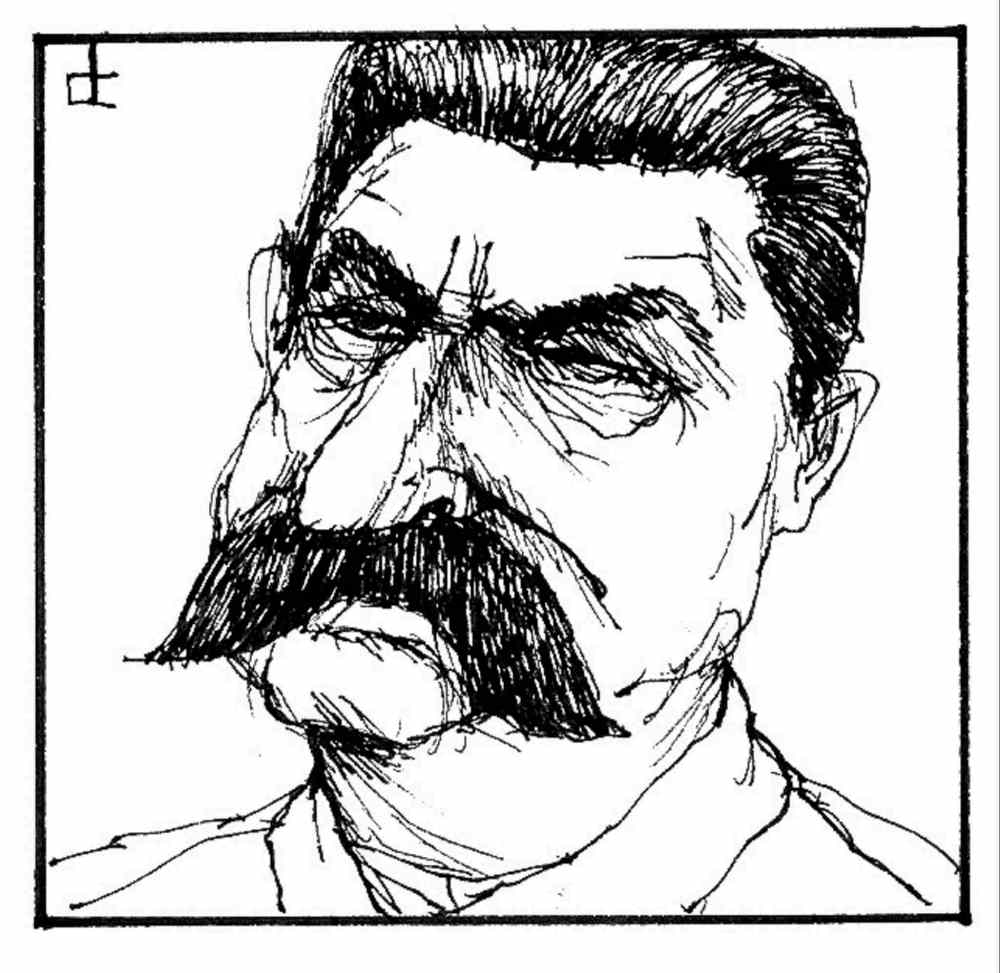
Unfortunately for the Russians, their history also includes Josef Stalin, one of history’s great monsters, whose legacy haunts the country still.
In fact, Stalin’s place in Russian history is still not clear, at least not to many Russians. Some high school textbooks, for example, portray him as a blood and iron leader who did what needed to be done to modernize the backward country and defeat the Germans. For this school of thought, Stalin was a necessary evil whose means were justified to achieve loftier goals.
Russian President Vladimir Putin has even said Stalin was no different than Oliver Cromwell, the 17th-century British revolutionary who overthrew the monarchy and killed thousands of Irishmen. Yet the British, he said, had no qualms about erecting a monument to Cromwell outside the House of Commons.
The president has condemned Stalin’s “mass crimes” and labelled the former Soviet regime as “totalitarian,” but he hasn’t opposed the building of monuments in Stalin’s memory.
Like many Russians, then, Mr. Putin is ambivalent about Stalin’s record.
That doesn’t mean he’s a modern-day Stalin, as some critics claim, but his style of governing and his emphasis on “order and discipline” reflect Russia’s weak respect for western-style democratic traditions.
For Mr. Putin, the Sochi Games are intended to showcase Russia’s power and progress, as well as his own ability to do what’s necessary.
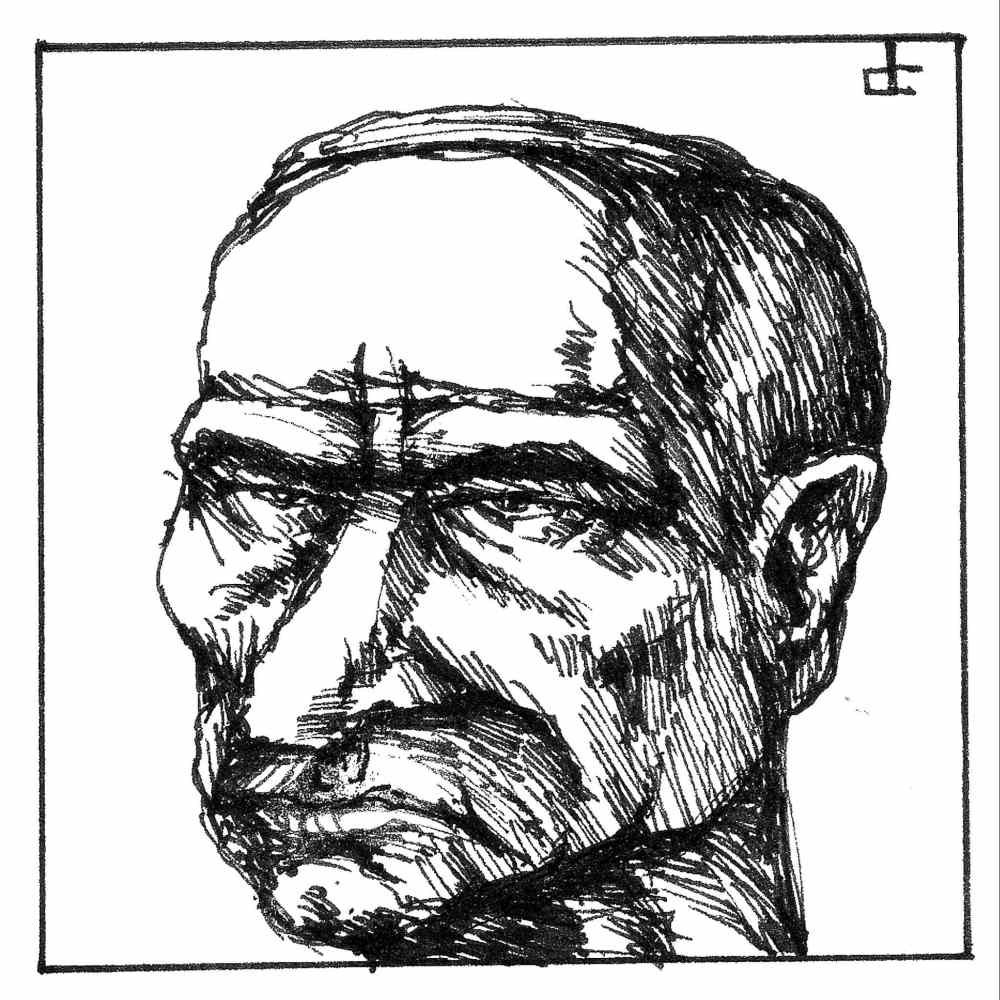
In typically Russian style, it took determination and ruthlessness to pull it off.

And yet all reports out of Sochi have observed the Russians are gregarious, fun-loving people who frequently cheer for Canada.
They are congenial and friendly, with a strong sense of humour, but also a craving for security and stability.
The Sochi Olympics began with criticism of Russia’s anti-gay laws, its abuse of Ukraine and Putin’s authoritarian style of governing. These are still valid observations, but the Games have opened another window that shows a people who aren’t too different than the rest of us and who want many of the same things.
Sochi has revealed two Russias, one longing for the past, the other optimistic about the future.
How Russian.