

Manitoba to tighten hog-industry regulation, require replacement of treatment plant to protect Lake Winnipeg
Province changes focus on nitrogen removal at city plant
Advertisement
Read this article for free:
or
Already have an account? Log in here »
To continue reading, please subscribe:

Digital Subscription
One year of digital access for only $205*
- Enjoy unlimited reading on winnipegfreepress.com
- Read the E-Edition, our digital replica newspaper
- Access News Break, our award-winning app
- Play interactive puzzles
*First annual payment billed as $205.00 + GST for one year. This annual subscription will automatically renew at $233.00 + GST every 52 weeks (10% off the regular annual price of $259.35). Offer available to new and qualified returning subscribers only. Cancel any time.
To continue reading, please subscribe:
Add Free Press access to your Brandon Sun subscription for only an additional
$1 for the first 4 weeks*
- Enjoy unlimited reading on winnipegfreepress.com
- Read the E-Edition, our digital replica newspaper
- Access News Break, our award-winning app
- Play interactive puzzles
*Your next Brandon Sun subscription payment will increase by $1.00 and you will be charged $17.95 plus GST for four weeks. After four weeks, your payment will increase to $24.95 plus GST every four weeks.
Read unlimited articles for free today:
or
Already have an account? Log in here »
Hey there, time traveller!
This article was published 02/06/2011 (5589 days ago), so information in it may no longer be current.
WINNIPEG – Manitoba will begin the mammoth task of cleaning up Lake Winnipeg by tightening regulations on the hog industry and requiring Winnipeg to replace its North End Sewage Treatment Plant with a full biological nutrient-removal facility.
The Selinger government will introduce legislation in the next few days that will ban hog expansion that does not use “advanced environmental practices” to protect water. It will also enshrine looming bans on winter spreading of manure in law.
The government will also double funding to farmers who use best environmental practices to protect water and introduce a new tax credit to help farmers acquire new environmental technologies to treat manure responsibly.
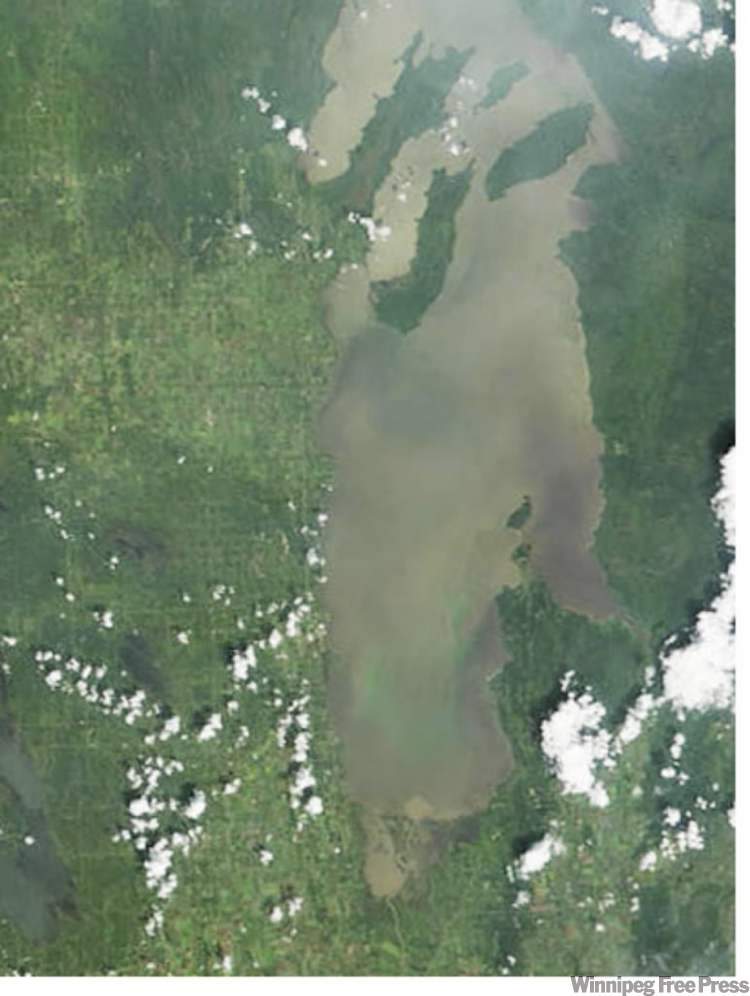
“Our lake is at a crisis point. We can’t ignore land-use practices that are causing further damage to our watersheds,” Premier Greg Selinger said in unveiling the province’s strategy for saving the lake.
The province also signalled a change in focus in its requirements of the city of Winnipeg for nutrient removal. Nitrogen removal will only be ordered if phosphorus reduction targets of 50 per cent cannot be met.
The biological nutrient-removal plant envisaged by the province would allow for the recovery of phosphorus, rather than seeing treated sewage solids wind up in landfills.
Within a year, the city will be required to produce a plan on how it will meet strict limits of pollutant removal. The plan will go to the Clean Environment Commission and the Public Utility Board to ensure ratepayers are protected, the province said.

The government, as expected, also announced that it would help restore the Netley-Libau Marsh to allow it to keep more pollutants from entering Lake Winnipeg. It will also institute more powers to protect wetlands on Crown lands and ban the rapid expansion of peat extraction from wetlands.
Selinger’s announcement followed a provincially commissioned report Tuesday that warned of dire consequences for the lake if further action was not taken.
Related Articles
Nitrogen debate wastes time, money

Advertisement Advertise With Us
History
Updated on Thursday, June 2, 2011 11:46 AM CDT: Adds more information