B.C. subsidizes energy drilling on caribou habitat it promised to protect, study says
Advertisement
Read this article for free:
or
Already have an account? Log in here »
To continue reading, please subscribe:

Digital Subscription
One year of digital access for only $205*
- Enjoy unlimited reading on winnipegfreepress.com
- Read the E-Edition, our digital replica newspaper
- Access News Break, our award-winning app
- Play interactive puzzles
*First annual payment billed as $205.00 + GST for one year. This annual subscription will automatically renew at $233.00 + GST every 52 weeks (10% off the regular annual price of $259.35). Offer available to new and qualified returning subscribers only. Cancel any time.
To continue reading, please subscribe:
Add Free Press access to your Brandon Sun subscription for only an additional
$1 for the first 4 weeks*
- Enjoy unlimited reading on winnipegfreepress.com
- Read the E-Edition, our digital replica newspaper
- Access News Break, our award-winning app
- Play interactive puzzles
*Your next Brandon Sun subscription payment will increase by $1.00 and you will be charged $17.95 plus GST for four weeks. After four weeks, your payment will increase to $24.95 plus GST every four weeks.
Read unlimited articles for free today:
or
Already have an account? Log in here »
Hey there, time traveller!
This article was published 01/10/2021 (1813 days ago), so information in it may no longer be current.
British Columbia is subsidizing oil and gas well drilling on the same land it has promised to protect for caribou, new research has found.
“The B.C. government has made a lot of commitments to caribou habitat restoration and it’s not really working,” said Adriana DiSilvestro, a University of British Columbia graduate student and lead author on the project.
“The fact there are oil and gas operations being subsidized in areas the federal government has deemed critical habitat is a piece to this puzzle.”
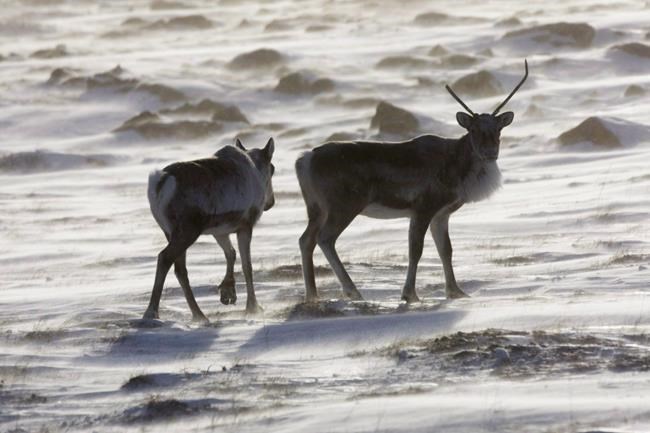
DiSilvestro and her colleagues first identified wells in northeastern B.C. and located them on federal maps showing critical habitat for woodland caribou, a threatened species for which the province has promised the federal government to develop a recovery plan.
The team then used government and industry data to determine which of those wells had benefited from a government subsidy. Those subsidies include programs such as the Deep Well Royalty Program, which covers part of the drilling and completion costs for these wells up to $2.8 million per well and can be used to reduce royalties by half.
DiSilvestro said the research shows 3,114 active oil and gas wells within critical caribou habitat in B.C. Of these, 1,678 wells — just over half — are run by companies that have received assistance from one of three provincial subsidy programs over the past three years.
Previous research has identified industrial use as a major driver of caribou habitat loss and herd declines. Energy and logging both damage the old-growth forest caribou rely on and create easy pathways for predators to reach formerly safe hideouts.
“We conclude that public funds are subsidizing caribou extinction,” the report says.
Of B.C.’s 53 caribou herds, 14 are stable or increasing while 25 herds are either shrinking or have disappeared. No data exists for the rest. Some First Nations have been forced to step in with extreme conservation measures, such as penning up pregnant caribou cows until they can safely calve.
In February 2020, B.C. signed a so-called Section 11 conservation agreement with Ottawa that promised “commitments related to habitat protection and restoration.” That agreement, under the Species At Risk Act, was seen as an alternative to the federal government stepping in to impose protections under an emergency protection order.
In an emailed response, Meghan McRae of the Ministry of Energy, Mines and Low Carbon Innovation pointed to a series of programs the province funds to remediate old wells, including $27 million from industry to clean up wells for which no owner currently exists.
“The province is working with First Nations, local governments, industry, and stakeholders to identify acceptable outcomes for caribou recovery as well as continued resource development in B.C.,” she said.
“We continue to work with the federal government on our efforts of conservation and recovery of caribou herds.”
DiSilvestro said the findings suggest that conservation agreements made with one handbe undercut by programs from the other.
“We can say pretty clearly that (Section 11) agreement isn’t working. The continued subsidization of industry in these areas is a major factor in (caribou) decline.”
Alberta and Saskatchewan also have Section 11 agreements with Ottawa, promising caribou recovery efforts and habitat protection.
The International Institute for Sustainable Development and Environmental Defence has calculated that Alberta spent about $1.6 billion a year in fossil fuel subsidies between 2016 and 2019. Its work does not detail where that money has been spent.
It doesn’t have equivalent data for Saskatchewan.
This report by The Canadian Press was first published Oct. 1, 2021.
— Follow Bob Weber on Twitter at @row1960