Applied commerce
Please review each article prior to use: grade-level applicability and curricular alignment might not be obvious from the headline alone.

WestJet ordered to scrap weight cap on power wheelchairs
5 minute read Preview Friday, Aug. 21, 2026
Pre-owned sets seller Romo’s Bricks seeks to click with Winnipeg’s Lego community
5 minute read Preview Wednesday, Aug. 19, 2026
Amazon set to expand drone delivery of lightweight packages to 500 US cities
6 minute read Preview Wednesday, Aug. 19, 2026
In Meta’s trial, families of social media victims see a pivotal moment for online safety
5 minute read Preview Wednesday, Sep. 9, 2026
New Bannatyne eatery brings feast of Asian flavours
4 minute read Preview Tuesday, Aug. 18, 2026Improving building standards
4 minute read Tuesday, Aug. 18, 2026As I was working in my garden today, I was thinking that, while I still enjoy it, I am starting to wonder how much longer I will be able to care for a house and a yard. Like many my age, I have been thinking about the condominium option here in Winnipeg.
I am a mother and a grandmother and I am also very concerned about climate change and the need to recognize that our emissions from coal, oil, and gas are warming the Earth. As a climate activist, I do not want to pollute. Yet as a condo purchaser, I would have no control over how the building is insulated, heated and cooled or how much energy it would take to do so.
When I moved to Winnipeg four years ago, I intended to buy a house and install a heat pump, which heats and cools a home using electricity only.
Before that purchase, I phoned Manitoba Hydro and was advised to buy a home built after 1985, when national standards were upgraded to require better insulation. That was no trouble for me, given I had already moved from a 1960s house into a new house in 1989 and even though the new home was larger, our gas bill was cut in half because of the added insulation.

MamiMarkets connecting ethnic food vendors, customers
4 minute read Preview Monday, Aug. 17, 2026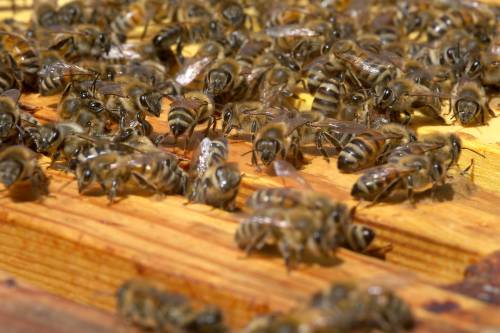
Manitoba honey industry buzzing as U.S. tariff clock ticks
5 minute read Preview Monday, Aug. 17, 2026
From the Plate to the Mic: Several former Blue Jays active in baseball podcast space
5 minute read Preview Tuesday, Aug. 18, 2026
Canada’s social media ban for under-16s likely to face Charter challenge, experts say
5 minute read Preview Tuesday, Sep. 8, 2026
Free fix is in: repair café aims to keep items out of landfills
3 minute read Preview Monday, Aug. 17, 2026
Anti-terrorism measures hindering Muslim charities’ humanitarian efforts: study
7 minute read Preview Monday, Aug. 17, 2026
Ottawa wants to block kids from social media. How would age verification work?
7 minute read Preview Monday, Aug. 17, 2026
Meetings accomplish something that an email never could while respecting people’s time, building relationships
7 minute read Preview Saturday, Aug. 15, 2026
Human cost of AI bubble outweighs tech’s potential
4 minute read Preview Saturday, Aug. 15, 2026The effects of El Nino on crop prices, production
4 minute read Saturday, Aug. 15, 2026The prospect of a Super El Nino on the horizon has figured prominently in the media, but its impact on farmers depends on which side of the world they live.
As the harvest equipment starts chewing through the first fields of the season here, the phenomenon ranks low on farmers’ worry list.
If anything, warming sea-surface temperatures in the central Pacific could support higher crop prices due to its impact on production in export competitors such as Australia.
While not a key driver behind the recent rallies that have brightened the price outlook for this year’s harvest, the Super El Nino one of the underlying fundamentals that could help keep prices buoyant through the winter months, says Bruce Burnett, a weather and markets analyst with Glacier Farm Media.

Don’t delete organ concert tickets when scrubbing digital life
5 minute read Preview Saturday, Aug. 15, 2026
Célébrer des employés qui mettent la main à la pâte
6 minute read Preview Saturday, Aug. 15, 2026
Gillingham promises to help level playing field for local biz if re-elected
3 minute read Preview Friday, Aug. 14, 2026
France’s top court blocks under-15 social media ban, citing constitutional freedoms
2 minute read Preview Saturday, Aug. 15, 2026
Fusion pop-up coming to street food festival
3 minute read Preview Friday, Aug. 14, 2026
City Lego seller continues to build up its business
5 minute read Preview Friday, Aug. 14, 2026
Classic Scoop founder left lucrative job to start business offering treats on-site for parties, festivals
5 minute read Preview Friday, Aug. 14, 2026