Grade 11
Please review each article prior to use: grade-level applicability and curricular alignment might not be obvious from the headline alone.

Scientists studying cockroach milk and nose-blowing win Ig Nobel prizes for quirky science
3 minute read Preview Updated: Yesterday at 9:21 AM CDT
Long-term care best when public
4 minute read Preview Wednesday, Sep. 2, 2026
Renewed spirit and life: Indigenous treatment centre expands with $21-M revamp
5 minute read Preview Tuesday, Sep. 1, 2026
Recognizing the value of phys-ed for kids
6 minute read Preview Tuesday, Sep. 1, 2026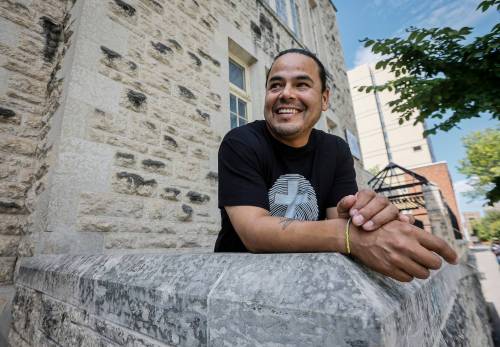
Former abuser of alcohol, drugs who graduated from recovery program now helping others
6 minute read Preview Monday, Aug. 31, 2026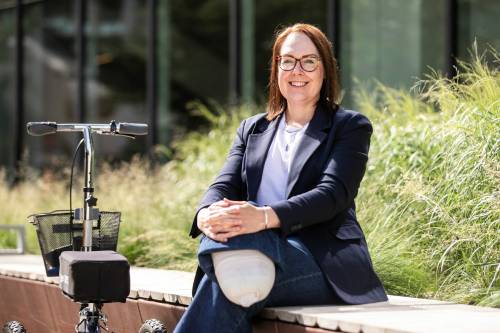
Rare and tough to notice, sarcomas may lurk in the body
12 minute read Preview Monday, Aug. 31, 2026
Beware invasive, ‘frightening’ waterhemp
4 minute read Preview Saturday, Aug. 29, 2026Treating symptoms, not the disease
4 minute read Friday, Aug. 28, 2026The backlog in emergency rooms in Manitoba stems from problems before and after the ER, not in the ER.
In Tom Brodbeck’s piece on the chronic and rising emergency room crisis in Winnipeg (Condition critical, Aug. 21) he quoted several experts who alluded to the backlog of accessible beds, beds needed so that acutely ill people can be moved out of the ER onto hospital wards.
This is a problem of an acute-care bed shortage in the acute-care hospitals and a long-term care bed shortage outside of the acute-care hospitals, where patients who no longer need acute care should be.
One major problem not addressed in Brodbeck’s article is the care required to reduce patients’ perceived or real need to come to the ER.

Province announces phys-ed curriculum overhaul
6 minute read Preview Thursday, Aug. 27, 2026
Lucky Charms and Trix go au naturel as General Mills ditches artificial colors
3 minute read Preview Saturday, Aug. 29, 2026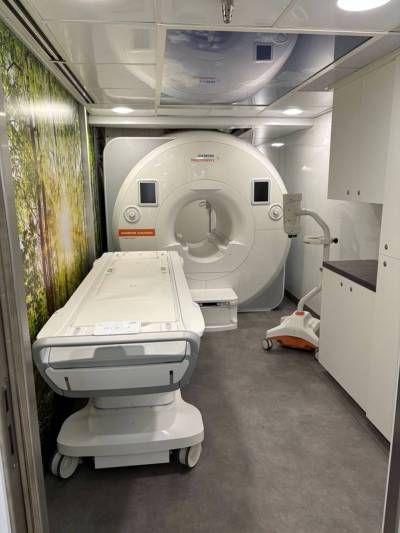
Northern Manitoba mobile MRI makes first move in 15 months
4 minute read Preview Wednesday, Aug. 26, 2026
How to reset your child’s sleep schedule for back-to-school season
4 minute read Preview Monday, Aug. 31, 2026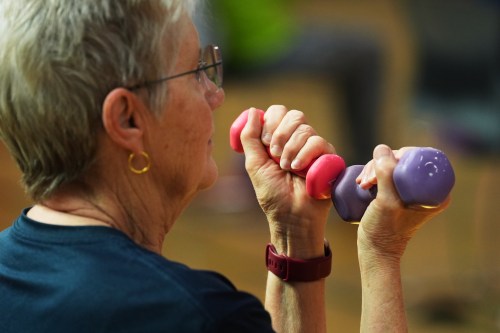
Mobility tests can tell doctors a lot about how you’re aging, but there are many other factors
5 minute read Preview Tuesday, Aug. 25, 2026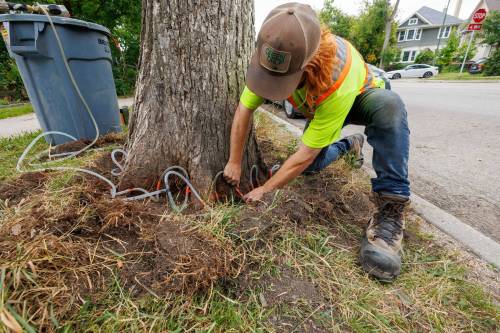
Wolseley residents put down roots to save elms
5 minute read Preview Thursday, Aug. 20, 2026
Mole Mobile on move for your dermatological needs
4 minute read Preview Thursday, Aug. 20, 2026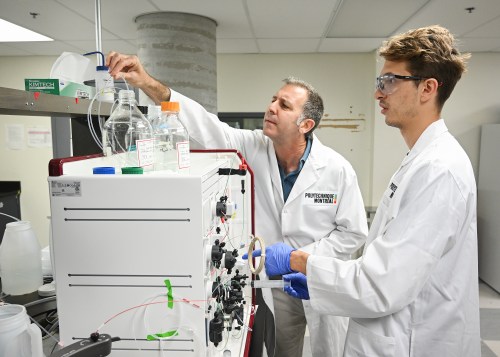
Inside the Montreal lab working to prepare Canada against future pandemics
6 minute read Preview Tuesday, Aug. 18, 2026
PCs say Hutterite colonies singled out by Bill 21
4 minute read Preview Friday, Aug. 14, 2026
Manitoba supports MAID delay: Asagwara
5 minute read Preview Friday, Aug. 14, 2026
Libau man warns Manitobans after contracting West Nile Virus
3 minute read Preview Wednesday, Aug. 12, 2026
Federal government invests $24 million for cannabis and brain health research
2 minute read Preview Thursday, Aug. 13, 2026
Quiet opening fitting for controversial site
4 minute read Preview Wednesday, Aug. 12, 2026
A mission to make hearing care easier to access
5 minute read Preview Wednesday, Aug. 12, 2026‘Artificial intelligence’ based on large language models is shaping up to be the most efficient destroyer of value since the South Sea Bubble. After “the Crash”, which is inevitably coming, some specific functions of AI will eventually turn out to be genuinely revenue-generating, and a lot of jobs will duly disappear. But the biggest winner (and potentially biggest loser) is medical science.
Dr. Brian Hie, a chemical engineer at Stanford University in California, has just revealed that his team has made the first viruses designed by artificial intelligence. They are ‘bacteriophages’, viruses that only infect bacteria and are widely used to treat people with infections that resist other treatments.
However, natural bacteriophages sometimes fail, so Dr. Hie used generative AI to design new ones that might do the job. The AI generated thousands of designs for new genomes that more or less fit the bill, and he chose around 300 of them to build in the lab. It’s hard work, not magic, but he ended up with 16 ‘novel’ bacteriophages that might work.
He applied them to petri dishes containing two harmful strains of E. coli, a common bacteria that lives in the human gut, and they killed the bacteria off. It’s still early days, but if it is truly becoming possible to tailor-make bacteriophages that target specific bacteria, then we may be getting a major new weapon in the struggle against antibiotic resistance.