Biology
Please review each article prior to use: grade-level applicability and curricular alignment might not be obvious from the headline alone.
Canadians do not want to sacrifice nature for development
4 minute read 2:00 AM CDTPrime Minister Mark Carney’s pledge to build faster — “Build, baby, build” — helped propel the Liberals to victory, but his government’s push to fast-track major development projects by cutting environmental oversight is sharply out of step with Canadians’ priorities.
It is a political miscalculation that could come back to haunt the Liberals at the ballot box.
New polling, commissioned by Nature Canada and conducted by EKOS Research Associates, shows strong support among Canadians for protecting nature and endangered species while building the economy.
Canadians soundly reject the notion that they must sacrifice conservation protections for economic development.

Education student designs lesson plans to take a bite out of food marketing
4 minute read Preview Yesterday at 5:22 PM CDT

Lake city extraordinaire
6 minute read Preview Saturday, Sep. 5, 2026
Scientists studying cockroach milk and nose-blowing win Ig Nobel prizes for quirky science
2 minute read Preview Saturday, Sep. 5, 2026
Long-term care best when public
4 minute read Preview Wednesday, Sep. 2, 2026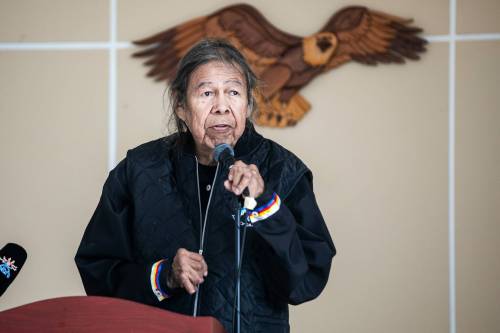
Renewed spirit and life: Indigenous treatment centre expands with $21-M revamp
5 minute read Preview Tuesday, Sep. 1, 2026
Recognizing the value of phys-ed for kids
5 minute read Preview Tuesday, Sep. 1, 2026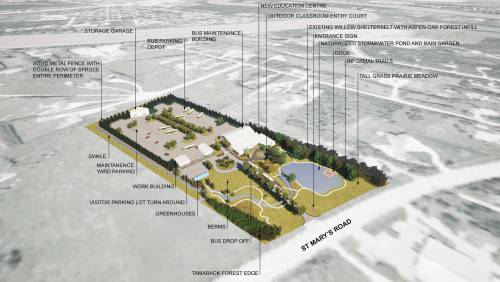
Committee vote brings outdoor learning facility one step closer for Riel school division
4 minute read Preview Monday, Aug. 31, 2026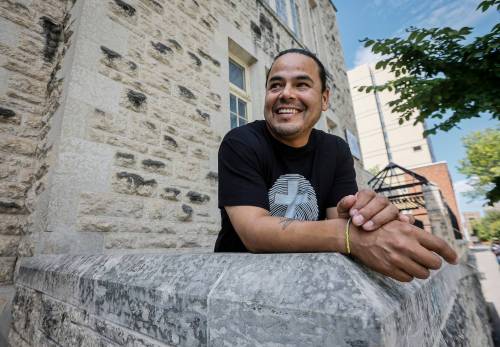
Former abuser of alcohol, drugs who graduated from recovery program now helping others
5 minute read Preview Monday, Aug. 31, 2026
Rare and tough to notice, sarcomas may lurk in the body
12 minute read Preview Monday, Aug. 31, 2026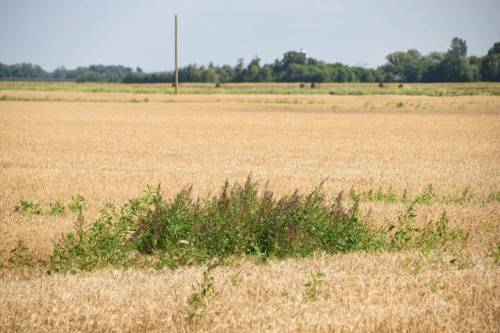
Beware invasive, ‘frightening’ waterhemp
4 minute read Preview Saturday, Aug. 29, 2026
Welcoming Creekside Tree Farm and Nursery
7 minute read Preview Saturday, Aug. 29, 2026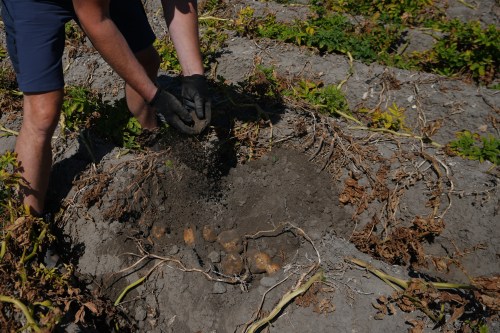
United Nations talks in Mongolia expose growing drought crisis as climate impacts worsen
5 minute read Preview Monday, Aug. 31, 2026Treating symptoms, not the disease
4 minute read Friday, Aug. 28, 2026The backlog in emergency rooms in Manitoba stems from problems before and after the ER, not in the ER.
In Tom Brodbeck’s piece on the chronic and rising emergency room crisis in Winnipeg (Condition critical, Aug. 21) he quoted several experts who alluded to the backlog of accessible beds, beds needed so that acutely ill people can be moved out of the ER onto hospital wards.
This is a problem of an acute-care bed shortage in the acute-care hospitals and a long-term care bed shortage outside of the acute-care hospitals, where patients who no longer need acute care should be.
One major problem not addressed in Brodbeck’s article is the care required to reduce patients’ perceived or real need to come to the ER.
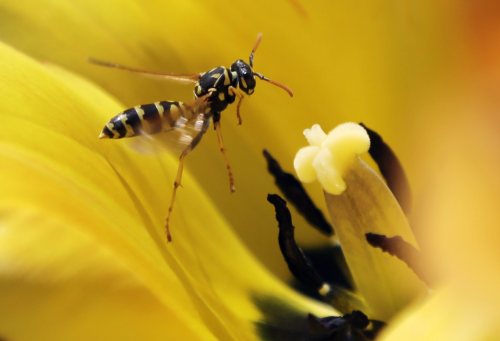
Wasp attack warnings as swarms surge in B.C. amid warm weather and abundant food
4 minute read Preview Saturday, Aug. 29, 2026
Province announces phys-ed curriculum overhaul
6 minute read Preview Thursday, Aug. 27, 2026Breed-specific dog ban should be overturned
5 minute read Thursday, Aug. 27, 2026Though there have been multiple calls for repeal, Winnipeg continues to enforce its controversial 36-year breed-specific dog ban.
The ban prohibits American pit bull terriers, Staffordshire bull terriers, American Staffordshire terriers and mixed-breed dogs with the physical appearance and traits of these prohibited breeds.
I appreciate that the ban may have been well-intentioned when enacted.
However, research now points to a multifactorial approach to preventing dog bites, including public education, access to veterinary care and strong animal-control laws addressing aggressive behaviour, licensing, irresponsible breeding, leash laws and animal welfare/safety.

Researchers tracking Manitoba monarchs migrating to Mexico
4 minute read Preview Wednesday, Aug. 26, 2026
Lucky Charms and Trix go au naturel as General Mills ditches artificial colors
2 minute read Preview Saturday, Aug. 29, 2026
Northern Manitoba mobile MRI makes first move in 15 months
3 minute read Preview Wednesday, Aug. 26, 2026
How to reset your child’s sleep schedule for back-to-school season
3 minute read Preview Monday, Aug. 31, 2026The health of water
4 minute read Tuesday, Aug. 25, 2026As World Water Week kicks off, I have been greatly heartened to discover that, right here in Manitoba and even across Canada, there’s a broad consensus that we need more — and better — solutions to the water crises we’re currently facing.