Information Communication Technology
Please review each article prior to use: grade-level applicability and curricular alignment might not be obvious from the headline alone.

Quebec school finds creative ways to help students with visual impairments learn
4 minute read Preview Updated: 11:50 AM CDTCulture, language confront the almighty algorithm
5 minute read Saturday, Sep. 5, 2026While standing over our almost-ready grilled-cheese sandwiches in these dying days of the summer break, I play an episode of the podcast 99% Invisible, an American production that dives deep into the hidden designs of everyday living and the “why” and “how” of the systems we live among.
The episode caught my eye because of the big maple leaf in the accompanying image. Beyond the astonishment that our country provides grants and incentives for artists was a discussion of the MAPL test: the metric by which a piece of music is deemed Canadian enough to be included in our Canadian content regulations.
In order to pass the MAPL test, a recording must achieve two of the following: First, was the music composed entirely by a Canadian? Second, is the performing artist a Canadian? Third, was the performance recorded in Canada? And finally, were the lyrics written by a Canadian? The podcast discussion continues in predictably American fashion: how quaint we are, how obscure our tastes in music and how famous a Canadian musician can be without even disturbing the radio waves south of the border.
For all its problems, loopholes and criticism, this regulation of Canadian radio content, or CanCon, has been successful in promoting Canadian music and weaving a healthier cultural “fabric.” It’s no wonder, then, that the issue of “discoverability” of French-language content on American streaming sites was part of the deal-breaking suggestions during recent Canada-U.S. trade talks. CanCon, in the modern era of siloed non-Canadian streaming services, is losing its power to influence the listening (and viewing) habits of Canadians, as more and more of our digital lives are dictated by U.S. commerce.
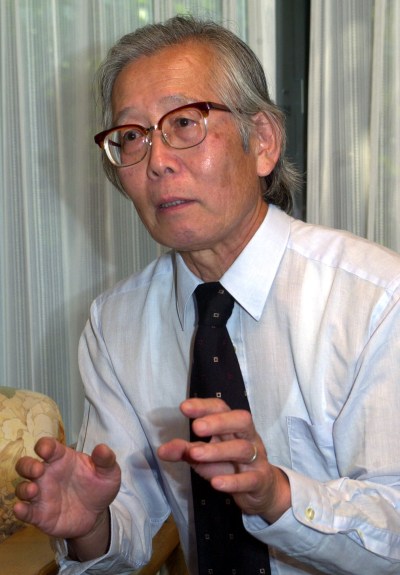
Japanese scientist Shirakawa, co-winner of 2000 Nobel Prize in chemistry, dies at 90
2 minute read Preview Saturday, Sep. 5, 2026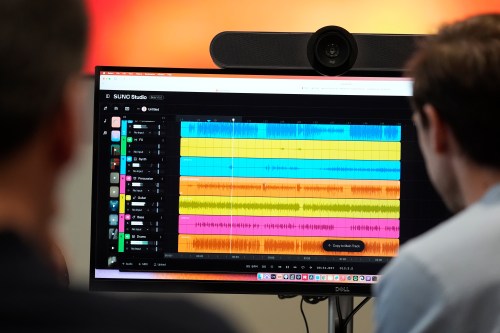
SOCAN sues Suno, alleges AI company copies Canadian music without paying creators
6 minute read Preview Friday, Sep. 4, 2026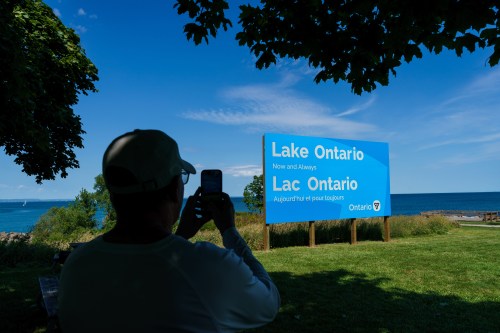
Apple begins replacing Lake Ontario with ‘Lake America’ on maps app for U.S. users
4 minute read Preview Friday, Sep. 4, 2026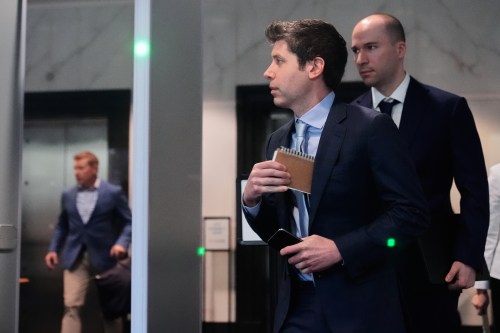
OpenAI faces 30 new lawsuits from witnesses to mass shooting in Tumbler Ridge, B.C.
6 minute read Preview Friday, Sep. 4, 2026
A closer look at five standout Canadian titles headed to TIFF 2026
6 minute read Preview Wednesday, Sep. 2, 2026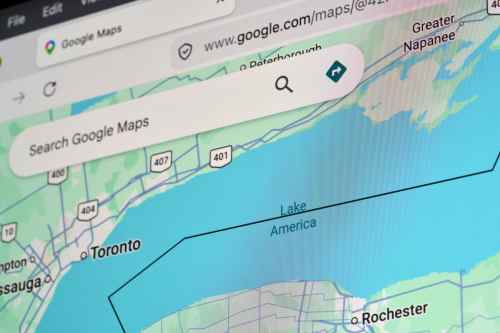
Author says Trump’s ‘Lake America’ order driving hits to guide on ditching U.S. tech
4 minute read Preview Tuesday, Sep. 1, 2026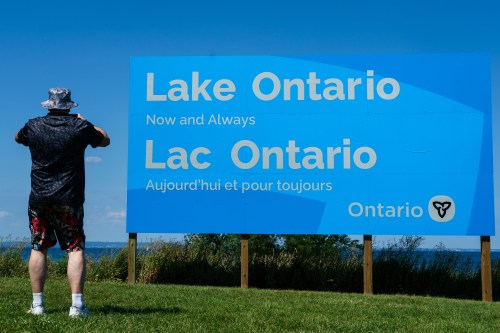
Trump contacted Apple directly to change name of Lake Ontario to Lake America: Burgum
5 minute read Preview Tuesday, Sep. 1, 2026
Lake Ontario now called Lake America on Google Maps for US users after Trump ordered name change
2 minute read Preview Monday, Aug. 31, 2026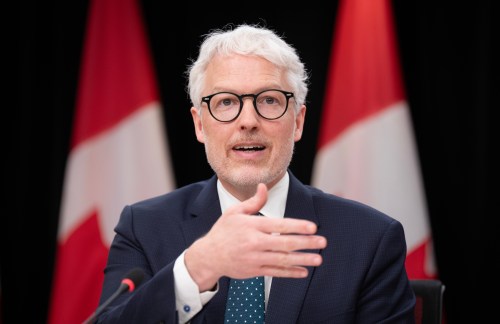
Privacy watchdog takes Google to court in long-running ‘right to be forgotten’ case
3 minute read Preview Sunday, Aug. 30, 2026
New Brunswick banning student phone use in public schools
2 minute read Preview Monday, Aug. 31, 2026
Meta settlement should be first of many
4 minute read Preview Friday, Aug. 28, 2026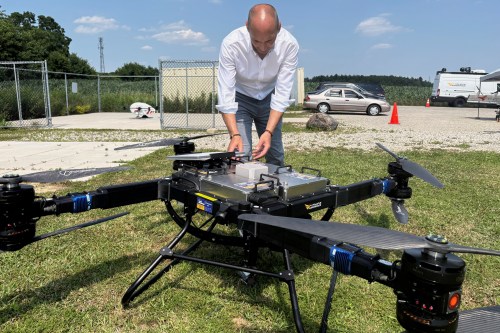
Canada is bolstering its defense industry as US relations fray. A boom is on for local contractors
6 minute read Preview Saturday, Aug. 29, 2026
Researchers tracking Manitoba monarchs migrating to Mexico
4 minute read Preview Wednesday, Aug. 26, 2026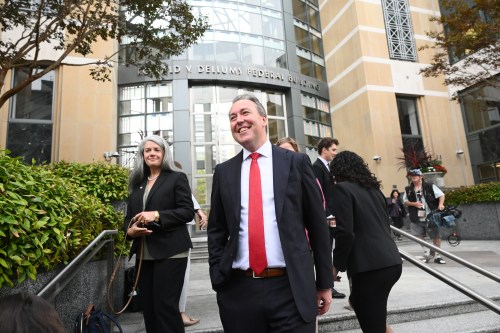
A look at major lawsuits against Meta and other social media companies over harms to kids
6 minute read Preview Saturday, Aug. 29, 2026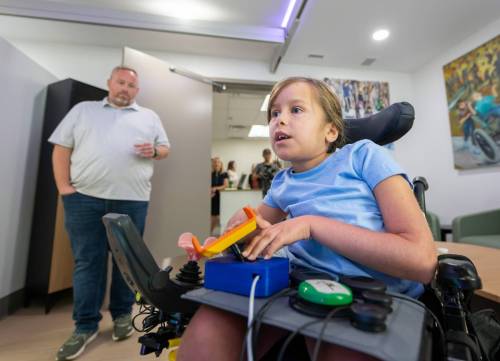
Smart Suite lets families of children with disabilities learn how adaptive design, tech can improve their lives
4 minute read Preview Wednesday, Aug. 26, 2026
Canadian Army looking for surveillance, cargo-drop drone suppliers
3 minute read Preview Saturday, Aug. 29, 2026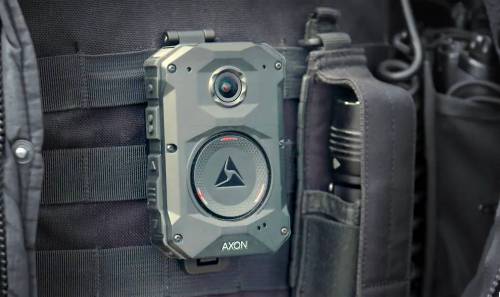
Winnipeg police body cams to feature AI translator
4 minute read Preview Wednesday, Aug. 26, 2026
Meta reaches landmark $18 billion settlement with states in trial over teen social media addiction
7 minute read Preview Saturday, Aug. 29, 2026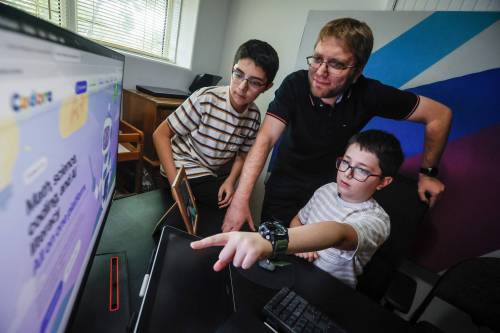
Software engineer who built lessons on AI for kids was ‘terrified’ into action
5 minute read Preview Tuesday, Aug. 25, 2026
AI literacy course mandatory at U of W Collegiate
5 minute read Preview Tuesday, Aug. 25, 2026
A bigger grid, and a tougher one
5 minute read Preview Tuesday, Aug. 25, 2026