
Information Communication Technology
Please review each article prior to use: grade-level applicability and curricular alignment might not be obvious from the headline alone.
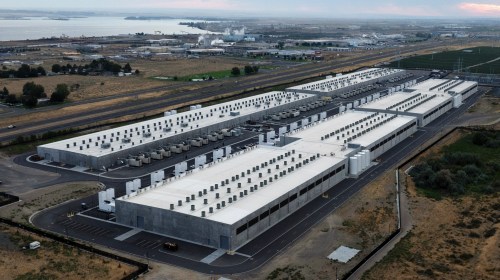
40 mayors worldwide endorse a pact to shape data center development
6 minute read Preview Wednesday, Jun. 24, 2026
AI companies should release environmental impact, commit to clean energy, says UN chief
5 minute read Preview Wednesday, Jul. 15, 2026
AI chatbots hit the dating scene, becoming the lovelorn’s modern-day Cyrano
6 minute read Preview Wednesday, Jun. 24, 2026Ottawa commits $96.8M to internet connections
1 minute read Tuesday, Jun. 23, 2026Minister of Northern and Arctic Affairs Rebecca Chartrand on Monday announced more than $96.8 million in federal funding for a project by Winkler-based Valley Fiber Ltd. to bring high-speed internet access to communities across Manitoba.
The project will connect up to 7,875 households in more than 50 rural and remote sites.
The funding is provided through the Universal Broadband Fund, designed to ensure rural, remote and Indigenous communities have access to reliable high-speed internet.
Ottawa has committed to ensuring every household has access by 2030, and said Monday it is on track to meet its goal.
If life hands you a data centre, grow tomatoes
4 minute read Tuesday, Jun. 23, 2026People everywhere are protesting AI data centres, with good reason. They use a lot of water and energy, and they create a lot of noise. They create relatively few ongoing jobs after construction is complete.
Electricity used to power servers at AI centres creates heat. To keep running they must be cooled. More electricity is used to power chillers to cool the computers. In summer, chillers evaporate water and dissipate heat to the atmosphere. Lots of it. A few Olympic-size swimming pools worth, even in our cold climate.
A 100 MW (100,000 kW) data centre uses enough power to heat about 10,000 homes with electric baseboard heat or an electric furnace. Or about enough to heat 80 acres of greenhouse on the coldest days of January. To put that in perspective, the recently completed Keeyask dam produces about 695 MW of power. A 100 MW data centre uses about 14 per cent of the power produced by the Keeyask dam.
In Finland, a data centre was built under downtown Helsinki. Waste heat from the data centre is recycled to heat the buildings above it.

AI safety advocates say bill a good ‘first step’ on regulation, but more needed
5 minute read Preview Tuesday, Jul. 14, 2026
Stopping AI ‘slop shots’ in modern politics
5 minute read Preview Saturday, Jun. 20, 2026
How Canada can continue to lead on news policy
5 minute read Preview Saturday, Jun. 20, 2026IGM Financial ‘reducing complexity’, adding AI
3 minute read Thursday, Jun. 18, 2026Winnipeg-based IGM Financial will undergo a restructuring as it increases artificial intelligence use.
The company announced Wednesday it’ll record a one-time charge of roughly $95 million in its second quarter, which includes severance payments. The firm didn’t make a representative available for an interview.
In an email, a spokesperson said IGM Financial is taking “thoughtful steps” to simplify operations.
“This is about reducing complexity and increasing agility to ensure we’re well-positioned for the future,” the spokesperson’s statement says.
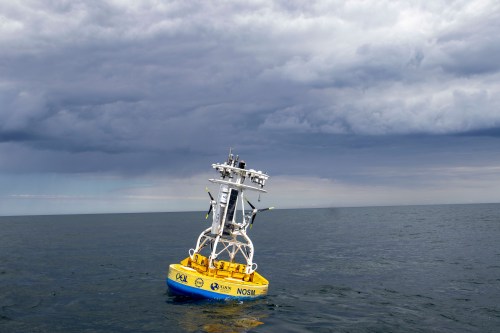
National Science Foundation reverses decision to dismantle oceans-monitoring network after outcry
3 minute read Preview Tuesday, Jun. 23, 2026
Cellphones silenced at LRSD board meetings to keep trustees ‘engaged’
3 minute read Preview Thursday, Jun. 18, 2026
Vehicle repair assistance startup creates practical, community-minded solution to real problem: Manitoba Innovates CEO
4 minute read Preview Wednesday, Jun. 17, 2026
AI threatens relationship between writers, readers
5 minute read Preview Wednesday, Jun. 17, 2026
Directors Desk enters child care HR spotlight
4 minute read Preview Tuesday, Jun. 16, 2026‘Hockey Night in Canada’ NHL broadcasts won’t return to CBC next fall
4 minute read Thursday, Jun. 18, 2026TORONTO (AP) — “Hockey Night in Canada,” a program featuring NHL games that has been part of the national fabric for nearly 75 years on CBC television, will not return to the public broadcaster next season.
A sublicensing agreement between Rogers Communications and the CBC that allowed the show to air on the network expired at the end of the Stanley Cup playoffs.
The two sides did not extend the partnership for the 2026-27 season, the first year of Rogers’ 12 year, $11 billion broadcast rights deal with the NHL. The CBC previously aired national games on Saturdays, along with all four playoff rounds each year.
“After a successful 12-year partnership, Sportsnet and CBC today announced the public broadcaster will no longer carry NHL broadcasts after the current season as it moves forward with a new sports programming strategy following the unprecedented success of the Milan-Cortina Olympic Games,” Sportsnet and the CBC said Tuesday in a joint statement. “Watching hockey on Saturday night is a time-honoured tradition for Canadians, and Sportsnet is privileged to continue delivering that tradition."

MPs urge action to undercut ‘manosphere’ by tackling anti-women ideology
4 minute read Preview Wednesday, Jul. 8, 2026
Ottawa’s new surveillance pricing rules not likely to take effect before 2028
4 minute read Preview Wednesday, Jul. 8, 2026The regulations and requirements to implement these protections could potentially be damaging to everyone.
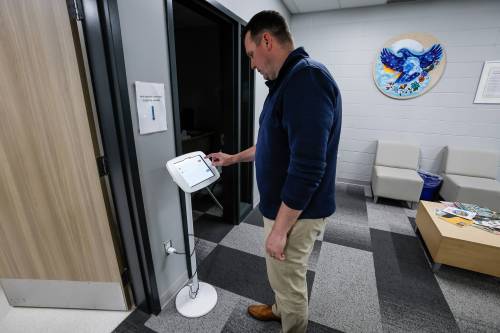
Division undertakes close to $1M in security upgrades after sex offender gets into two schools
4 minute read Preview Monday, Jun. 15, 2026
CRTC gives Bell and Telus until Wednesday to drop fees or risk compliance actions
4 minute read Preview Tuesday, Jun. 23, 2026
Ottawa introduces privacy bill covering children’s data, right to request deletion
4 minute read Preview Tuesday, Jul. 7, 2026
Work progressing inside historic 121-year old library that will house City of Winnipeg archives
4 minute read Preview Monday, Jun. 15, 2026
Upcoming TV production spotlights Winnipeg artisans
4 minute read Preview Saturday, Jun. 13, 2026Halting social media harm requires national solution
5 minute read Saturday, Jun. 13, 2026THE federal Liberal government’s proposed legislation to ban or restrict social media access for children under 16 appears to be a sensible approach to one of the most difficult public policy challenges of the digital age.
Whether Canadians ultimately support a ban, limited restrictions or exemptions for platforms that can demonstrate adequate safeguards, one thing is becoming increasingly clear: if governments are going to regulate children’s access to social media, it makes far more sense to do it at the federal level than through a patchwork of provincial laws.
That’s particularly relevant in Manitoba, where the provincial government has been exploring its own options to restrict social media use among young people.
The intentions are understandable. Parents, educators, health-care professionals and policymakers are becoming increasingly alarmed about the effects social media is having on many children and teenagers.